In a candid and introspective interview with Rolling Stone, RM offered a rare glimpse into his mindset as both an artist and the leader of BTS—revealing a complex inner world shaped by contradiction, pressure, and an ongoing search for meaning.
From the very beginning, BTS stood apart from the typical K-pop idol formula, and much of that distinction can be traced back to RM himself. Born Kim Namjoon, he entered the music industry not as a conventional trainee molded from the start, but as a teenager deeply immersed in underground rap culture. He has often described his early rebellion not through defiance in the traditional sense, but through music—writing lyrics, performing, and finding identity in the rawness of street rap.
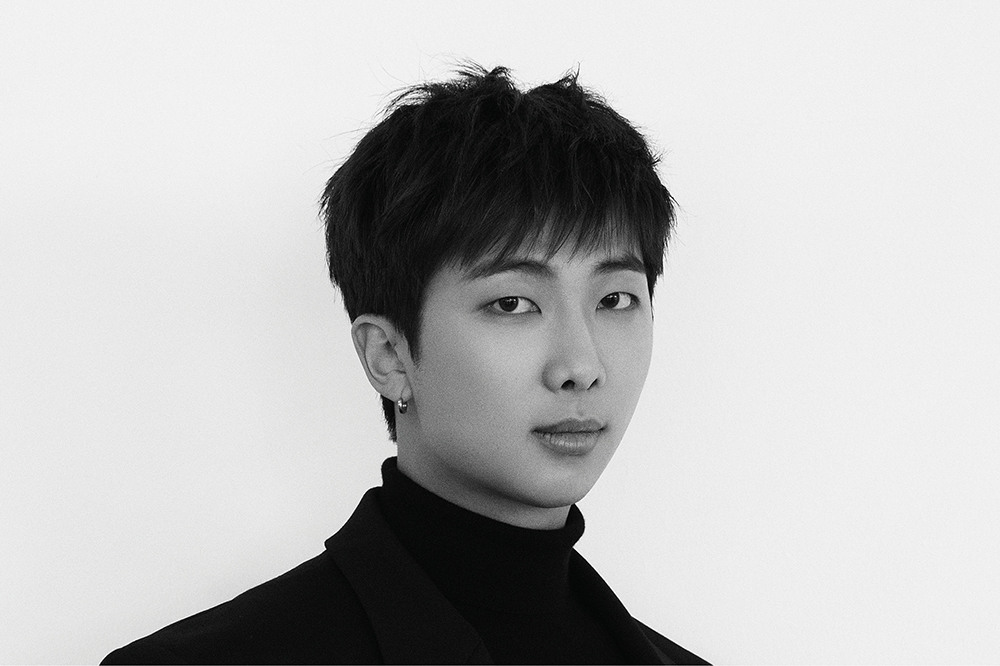
That foundation continues to shape his artistic instincts today. While BTS has become synonymous with global pop success, RM’s personal tastes lean toward alternative and experimental sounds. This duality, he admits, is both a strength and a source of internal conflict.
“I think that contradiction is my crisis,” he shared, reflecting on the tension between his love for mainstream pop and his desire to explore deeper, less commercial music. On one hand, he enjoys casually listening to global chart hits; on the other, he often feels the need to search for something more layered and meaningful.
This push and pull is perhaps most visible in his solo work. Projects like Indigo and Right Place, Wrong Person showcase a different side of RM—one that is more introspective, experimental, and unconcerned with commercial expectations. Through these releases, he has collaborated with artists outside the typical K-pop sphere, embracing a more global and genre-blending approach.

At the same time, RM acknowledges that being part of BTS comes with responsibilities that sometimes require compromise. As the leader of a group followed by millions, he is acutely aware of the influence they hold, especially among younger audiences. This awareness shapes the way he presents himself within the group, often balancing authenticity with a sense of duty.
“When everybody is saying yes, I really want to say no,” he explained, hinting at the internal resistance he sometimes feels. While he values his role within BTS, he also recognizes that not every creative instinct can be fully expressed in that context.
This is where his solo work becomes essential. It provides a space where he can speak more freely, experiment without constraints, and explore ideas that might not fit within the group’s broader identity. For RM, this distinction is not about separating himself from BTS, but about expanding the ways in which he can express himself as an artist.
His journey over the past few years has also been shaped by time spent away from the spotlight. During his military service, RM found himself reconnecting with music in a different way. Without the constant demands of performing and promoting, he had the opportunity to simply listen—rediscovering the joy that first drew him to music.
He described this period as one of renewed appreciation, where music once again became a source of genuine inspiration rather than obligation. At the same time, his interest in visual art continued to grow, reflecting his broader curiosity about different forms of creative expression.

Yet despite this exploration, music remains at the core of who he is. “It’s just the root,” he said, emphasizing that no matter how his interests evolve, music is something he cannot fully step away from.
One of the most striking aspects of the interview was RM’s honesty about uncertainty. Even after years of success, he admits that he still struggles to define BTS’s identity. This question—what BTS represents in 2026—remains, in his words, unresolved.
Rather than presenting a clear answer, RM suggests that the group’s upcoming album, ARIRANG, may serve as a response in progress. Instead of a fixed identity, the album reflects a more fluid and evolving concept, shaped by the individual growth of each member.
For RM, the focus has shifted toward expressing “universal things”—emotions and experiences that resonate across cultures and backgrounds. Themes such as love, pain, and nostalgia have become central to his creative vision, allowing him to transform personal experiences into something more widely relatable.

This approach aligns with BTS’s broader trajectory, as they continue to move beyond specific genres or concepts and toward a more expansive artistic identity. It also reflects RM’s belief that music should communicate on a deeper level, connecting with listeners through shared human experiences.
At the same time, his reflections reveal an artist who is still searching, still questioning, and still evolving. Rather than presenting himself as someone who has all the answers, RM embraces uncertainty as part of the creative process.
In many ways, this openness is what makes his perspective so compelling. As the leader of one of the world’s biggest groups, he could easily lean into certainty and confidence. Instead, he chooses to acknowledge doubt, contradiction, and complexity.

For fans, this honesty offers a deeper understanding of both RM and BTS as a whole. It shows that behind the polished performances and global success lies an ongoing journey—one defined not by fixed answers, but by continuous exploration.
And as BTS moves forward into its next chapter, that sense of searching may ultimately be what defines them most—not just as artists, but as individuals navigating the ever-changing landscape of music, identity, and meaning.


