After nearly a decade of storytelling, Alice Oseman has finally brought the journey of Heartstopper to a close. What began in 2016 as a simple webcomic has grown into an international phenomenon, expanding into bestselling graphic novels and a critically acclaimed Netflix adaptation that debuted in 2022. Throughout its run, Heartstopper has become one of the defining coming-of-age romances of its generation, celebrated for its heartfelt portrayal of LGBTQ+ youth, authentic relationships, and message of hope. With the release of Heartstopper Vol. 6 and the upcoming film Heartstopper Forever, Oseman is giving beloved characters Nick Nelson and Charlie Spring the ending they always envisioned.
The Heartstopper story centers on Charlie Spring and Nick Nelson, two teenagers whose unexpected friendship gradually blossoms into romance. Alongside navigating first love, they also face the everyday challenges of school, friendships, family, identity, and self-acceptance. Their journey is supported by a diverse group of friends representing different parts of the LGBTQ+ community, allowing the series to explore multiple experiences with honesty, compassion, and optimism.
Since the Netflix adaptation premiered, the popularity of Heartstopper has skyrocketed. The show transformed its young stars, Joe Locke and Kit Connor, into internationally recognized actors while introducing millions of viewers to Oseman’s work. More importantly, the series helped redefine how queer stories can be presented on screen. Rather than relying solely on trauma or hardship, Heartstopper emphasized warmth, kindness, emotional intimacy, and joy, while still acknowledging the real struggles many LGBTQ+ people experience.
With the publication of the sixth and final graphic novel in early July and the release of Heartstopper Forever shortly afterward, the story reaches its emotional conclusion. The final chapter follows Charlie and Nick as they prepare for the next stage of their lives. Charlie has become increasingly confident in himself and is finding his place at school, while Nick faces uncertainty about his own future as he prepares to leave for university. Their relationship, stronger than ever, must now confront the reality that growing up often means entering unfamiliar territory.
Reflecting on completing the series, Oseman admitted that the experience has been emotionally overwhelming. Saying goodbye to characters they have lived with for nearly ten years has been incredibly difficult. At the same time, finishing the story has brought an enormous sense of accomplishment. Oseman expressed pride in reaching the conclusion and in being able to end the story exactly the way they had always imagined.
One of the most unusual aspects of the final chapter was developing both the concluding graphic novel and the feature-length film at nearly the same time. Although Oseman had already written the script for the sixth volume before beginning work on the movie adaptation, creating the film unexpectedly influenced the book itself.
As the screenplay developed, Oseman found themselves reevaluating certain scenes in the graphic novel. Seeing the story through a cinematic lens helped identify which emotional moments carried the greatest significance. They returned to the manuscript and revised several sections, strengthening important scenes and refining the pacing. Those revisions then inspired additional adjustments to the screenplay, creating a creative back-and-forth between both projects. Oseman described the experience as unique and unlike any part of the adaptation process they had experienced previously.
The transition from television series to feature film also allowed Heartstopper to mature alongside its audience. Since the beginning of the adaptation, the creative team intentionally allowed the story to grow older with its characters. Each new season reflected the emotional development of Nick, Charlie, and their friends, as well as the viewers who had followed them over the years.
The film continues that progression by presenting a more mature portrayal of Nick and Charlie’s relationship. While previous seasons focused primarily on first love and emotional vulnerability, Heartstopper Forever also acknowledges the physical intimacy that naturally develops between two teenagers in a committed relationship.
Oseman explained that this decision felt like a logical continuation of the story established in season three. Because the audience already understood that intimacy had become part of Nick and Charlie’s relationship, the filmmakers believed it would be unrealistic to ignore it in the final chapter. At the same time, they were determined to ensure these scenes remained emotionally grounded rather than sensationalized.
To achieve that balance, extensive conversations took place during both pre-production and filming. Oseman collaborated closely with the director, actors, and intimacy coordinator to carefully shape every scene involving physical intimacy. Their shared priority was making sure those moments served the emotional narrative and reflected the trust, vulnerability, and love between the characters rather than existing simply for dramatic effect.
Looking back on the nearly ten years since Heartstopper first appeared online, Oseman believes LGBTQ+ storytelling has gradually expanded. They are encouraged by the growing number of queer-centered books, television series, and films being produced. However, Oseman also emphasized that there is still significant room for improvement.
Every new generation of LGBTQ+ young people deserves stories that speak directly to their own experiences. Because society continues to evolve, new voices and perspectives remain essential. Oseman hopes the entertainment industry will continue broadening its representation by telling a wider variety of queer stories across different cultures, identities, and life experiences.
One of the film’s most meaningful additions involves its reflection of the challenges currently facing transgender communities. Through Elle’s experience while attending Pride, the story acknowledges the increasing public scrutiny and political debates surrounding trans people. Oseman felt it was important to address these realities because the ongoing public discourse often causes genuine harm to transgender individuals.
Rather than ignoring current events, Heartstopper Forever uses its platform to remind audiences that LGBTQ+ people continue to face discrimination despite progress in visibility and acceptance. Oseman believes the series has always carried a responsibility to reflect both hope and reality, particularly because its audience spans countries around the world.
Another emotionally powerful moment in the film introduces an older gay couple whom Charlie meets while working at a coffee shop. The scene becomes even more meaningful because the characters are portrayed by acclaimed actor Derek Jacobi and his real-life husband, Richard Clifford. Their real relationship adds an extra layer of authenticity to the sequence.
Oseman noted that older LGBTQ+ couples remain surprisingly uncommon in mainstream television and film. Showing a loving couple who have spent decades together provides Charlie—and viewers—with a hopeful glimpse of what the future can look like. For Charlie, seeing two older gay men living happily together reinforces the possibility that his own relationship with Nick could endure far beyond their teenage years.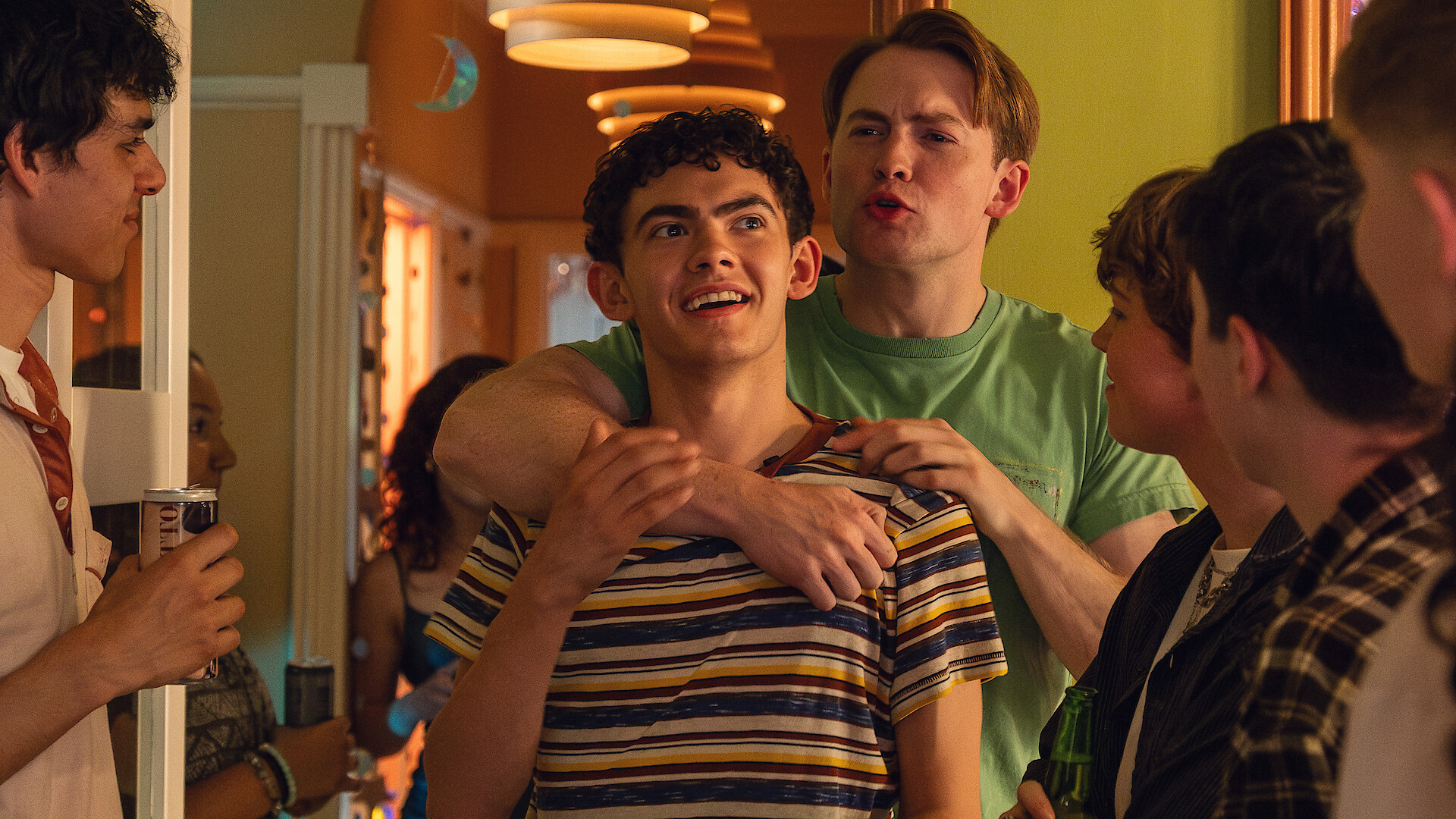
Although the final chapter naturally introduces new challenges for Nick and Charlie as adulthood approaches, Oseman never intended to end the series with heartbreak. Throughout its entire run, Heartstopper has centered on optimism, resilience, and the belief that life, despite its difficulties, can become brighter.
Because of that core message, Oseman always envisioned giving the characters a hopeful ending. However, they also wanted to avoid presenting an unrealistically perfect conclusion. Instead of tying every storyline into a completely finished package, the ending leaves room for possibility.
Nick and Charlie remain deeply committed to one another, but like any young couple, they cannot predict exactly what their future will hold. University, careers, distance, and countless other life experiences still lie ahead. Similarly, Tao and Elle’s relationship concludes with uncertainty rather than finality, allowing audiences to imagine the many chapters still waiting for them beyond the final page.
For Oseman, this open-ended approach feels far more authentic than suggesting every problem disappears at eighteen years old. Growing up is only the beginning of adulthood, and life continues long after the final scene. The ending celebrates possibility rather than certainty, encouraging readers and viewers to believe their own stories are still unfolding.
Now that Heartstopper has officially concluded, Oseman plans to spend much of the remainder of the year traveling internationally to promote the final graphic novel. Book tours around the world will allow them to celebrate the series alongside the global community of readers who supported it from the beginning.
After those commitments are finished, Oseman hopes to take a well-earned break. Nearly a decade devoted to Heartstopper has been an extraordinary creative journey, and they look forward to stepping back, recharging, and considering future projects with a fresh perspective.
Although Oseman has not yet decided what comes next, they are excited about the possibilities ahead. With multiple creative opportunities available, they intend to approach the next chapter of their career with the same openness and imagination that transformed a small webcomic into one of the world’s most beloved LGBTQ+ coming-of-age stories.