The new Netflix romantic comedy Voicemails for Isabelle blends romance, humor, heartbreak, family bonds, and personal healing into a deeply emotional story that has quickly connected with audiences around the world. While the film’s central premise may seem unusual—a woman unknowingly leaving voicemails for a stranger while trying to cope with the death of her sister—the inspiration behind the story is rooted in real-life experiences, personal relationships, and unexpected moments of creative discovery.
Writer and director Leah McKendrick recently shared the fascinating origins of the film, revealing that the idea developed gradually over several years from a combination of comedy, grief, family connections, and her own life experiences.
The movie follows Jill, played by Zoey Deutch, a young baker living in San Francisco who is struggling to move forward after the death of her beloved sister Isabelle. Throughout her life, Isabelle had been Jill’s closest confidante and strongest supporter. Even after her passing, Jill continues speaking to her through lengthy voicemail messages, updating her sister about everyday life, personal struggles, and emotional milestones.
What Jill does not realize is that those messages are no longer reaching their intended destination. Instead, they begin arriving on the phone of Wes, a quiet and emotionally guarded real estate agent portrayed by Nick Robinson. As Wes listens to the messages, he becomes increasingly drawn to Jill’s personality, humor, vulnerability, and honesty. Over time, an unexpected emotional connection develops, setting the stage for an unconventional romance.
According to McKendrick, however, the journey toward creating this story began long before the script was written.
She recalled attending a comedy showcase more than seven years ago, where two comedians unexpectedly sparked the initial concept that would eventually become the foundation of the film.
The first performer happened to be her roommate at the time. During her stand-up routine, she joked about her father’s habit of leaving excessively long and rambling voicemail messages. The audience laughed at the relatable family humor, and the topic of voicemails became a central part of the performance.
Then another comedian took the stage and responded with a contrasting observation. She commented that it was nice that the previous comedian still received calls from her father because her own father had not called her in years.
The room reportedly reacted with a mixture of surprise and sympathy, assuming there might be family tension behind the statement.
Then came the punchline.
The comedian revealed that her father had not called because he had passed away.
While much of the audience seemed unsure how to react, McKendrick found herself laughing at the dark humor of the moment. More importantly, the joke sparked a chain of thoughts that she could not ignore.
She began imagining what it would feel like to continue waiting for a loved one to call, even when that call would never come.
At first, she considered the relationship between a daughter and her father. The idea centered on someone continuing to hope for communication from a parent who was no longer alive.
But as she reflected further, she realized the scenario did not fully resonate with her own experiences.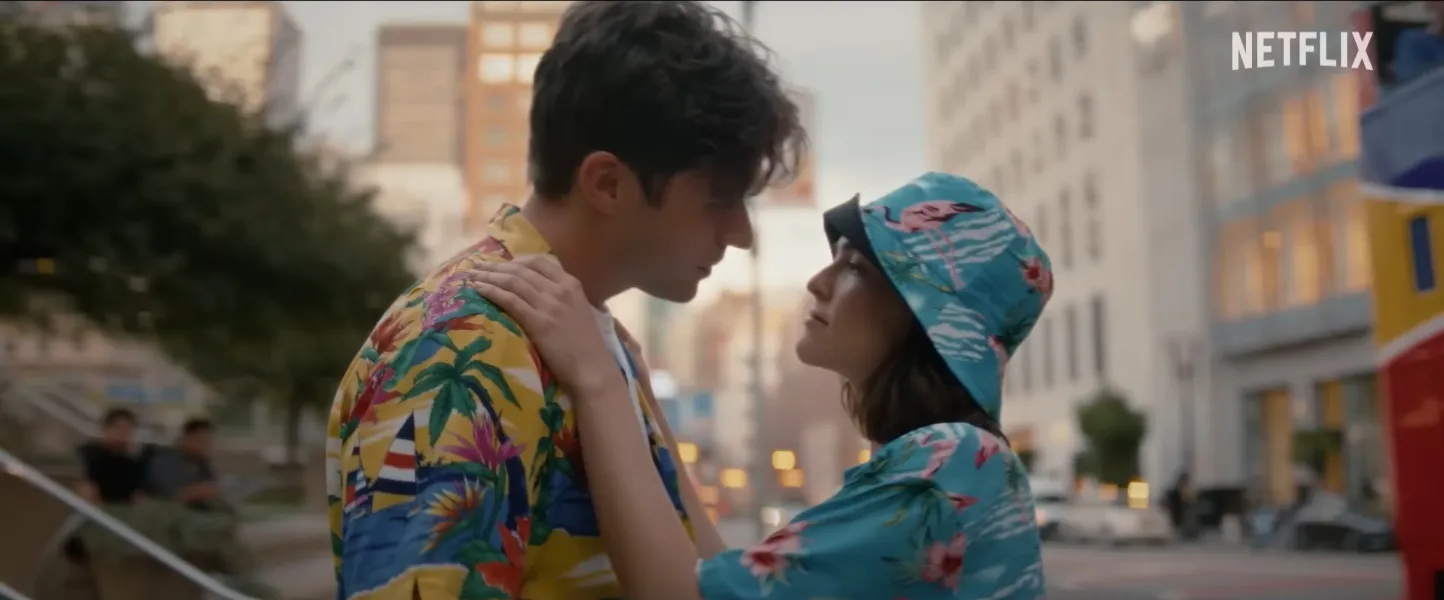
She joked that her father was already not the type of person who frequently returned calls, even while alive. That realization led her thoughts in a different direction.
Instead of imagining the loss of a parent, she began thinking about her relationship with her sister.
The emotional response was immediate.
McKendrick realized that if her sister were suddenly gone, she would not simply wait for a call that would never come. Instead, she would likely continue calling her sister, leaving messages and trying to maintain a connection despite the absence.
That emotional insight became the heart of Voicemails for Isabelle.:max_bytes(150000):strip_icc():format(webp)/Voicemails-for-Isabelle-Nick-Robinson-Zoey-Deutch-062226-f94686e117d84352961b001c33038736.jpg)
The concept continued to evolve as McKendrick experienced a period of separation from her own sister. When her sister moved away to attend college in New York, the distance affected her more than she expected.
During that time, McKendrick often left long, detailed voicemail messages sharing her frustrations, fears, and dreams. She talked about the challenges of trying to build a career in Hollywood and the difficulties of finding success in an industry known for constant rejection and uncertainty.
Those voicemails were deeply personal and completely unfiltered.
Looking back, she realized how vulnerable those recordings made her feel.
The thought of a stranger accidentally hearing those private messages felt almost horrifying. They contained raw emotions, insecurities, disappointments, and hopes that she normally would not share openly.
Yet at the same time, she recognized something beautiful within that vulnerability.
If someone were to hear those messages and still care about the person behind them, it would represent a rare form of genuine connection.
There would be no performance, no carefully crafted image, and no attempt to impress anyone.
Instead, there would only be honesty.
That idea ultimately became one of the film’s central themes.
Throughout Voicemails for Isabelle, Jill unknowingly reveals her most authentic self through her messages. She speaks freely because she believes she is talking to someone who already knows and loves her completely.
Wes, meanwhile, falls in love not with a curated version of Jill but with her true personality, flaws and all.
The concept resonates strongly in an era where many relationships begin through social media profiles, filtered images, and carefully controlled self-presentation.
The film suggests that authentic connection often begins when people allow themselves to be truly seen.
Beyond its romantic storyline, the movie also explores grief and healing in a thoughtful way.
Jill’s inability to stop leaving messages reflects the reality that grief rarely follows a predictable timeline. Losing a sibling creates a void that cannot easily be filled, and the film portrays that experience with sensitivity and compassion.
At the same time, the story demonstrates how love and human connection can help people move forward without forcing them to forget those they have lost.
Audiences appear to have embraced these themes enthusiastically.
Within days of its release, Voicemails for Isabelle surged to the top of Netflix’s global rankings, quickly becoming one of the platform’s most-watched films. Its combination of romance, humor, and emotional depth has helped distinguish it from more traditional romantic comedies.
Zoey Deutch, who plays Jill, also admitted that she initially hesitated before accepting the role.
After starring in romantic comedies earlier in her career, including the popular 2018 film Set It Up alongside Glen Powell, she was cautious about returning to the genre.
However, this project felt different.
According to Deutch, the screenplay’s exploration of grief, family relationships, and life after loss convinced her to join the production. She appreciated that the film offered more than a conventional love story and instead examined the complicated emotions that accompany mourning and recovery.
The actress has since expressed immense gratitude for the opportunity and has spoken passionately about how much the film means to her personally.
For McKendrick, the success of Voicemails for Isabelle represents the culmination of years of personal reflection and creative development. What began as a joke overheard at a comedy club eventually transformed into a heartfelt story about loss, sisterhood, vulnerability, and unexpected love.
The film’s popularity suggests that its message has struck a powerful chord with audiences. Through its unique premise and emotional honesty, Voicemails for Isabelle reminds viewers that even in moments of grief, connection remains possible—and sometimes the most meaningful relationships begin when we allow others to hear the parts of ourselves we usually keep hidden.:max_bytes(150000):strip_icc():format(webp)/Leah-McKendrick-062226-451372b6e15542309bd0ae86ce89f580.jpg)