Even though The Pitt has earned critical acclaim and a devoted fanbase—complete with Emmy recognition—one recurring issue continues to unsettle viewers: its ever-changing cast. The series prides itself on realism, particularly in portraying the fast-paced, high-turnover environment of a teaching hospital. But while that commitment to authenticity strengthens the storytelling, it also means that beloved characters may disappear just as audiences grow attached to them.
That tension came into sharper focus after Noah Wyle, who not only stars in the show but also serves as an executive producer, writer, and director, addressed the topic directly. Speaking about the show’s future, he made it clear that cast changes are not just likely—they’re inevitable. For a series built around the realities of emergency medicine, where staff rotations, burnout, and career shifts are common, maintaining a fixed ensemble would actually feel unrealistic.

From a creative standpoint, Wyle’s reasoning is sound. Teaching hospitals are known for their constant influx of new doctors, interns, and specialists, many of whom stay only temporarily before moving on. By reflecting that dynamic, The Pitt distinguishes itself from more conventional medical dramas, where core characters often remain unchanged for years. However, this same commitment has proven to be a double-edged sword.
The most recent example is the departure of Supriya Ganesh, who plays Dr. Mohan. News that she would not return for Season 3 immediately sparked concern among fans, many of whom had grown invested in her character’s development. It also reignited memories of earlier exits, particularly that of Tracy Ifeachor, whose character Dr. Collins left after Season 1, prompting a wave of disappointment across social media.
While viewers processed the news, an unexpected reaction from within the cast added another layer to the conversation. Patrick Ball, who portrays Dr. Langdon, responded to a social media post about future cast shakeups with a single word: “Gulp.” It was brief, almost humorous at first glance, but it carried an unmistakable undertone of anxiety. That one-word reaction seemed to confirm what many had suspected—actors themselves are not immune to the uncertainty created by the show’s format.
Ball’s response resonated because it reflected a shared feeling. If even those inside the production are unsure about their long-term place in the story, it underscores just how unpredictable the series can be. For fans, that unpredictability creates a constant sense of tension: any character, no matter how central, could be written out at any time.
Ironically, this uncertainty is part of what makes The Pitt so compelling. The stakes feel higher because nothing is guaranteed. Characters are not protected by narrative convenience; their journeys mirror the unpredictability of real-life medical careers. Yet, that same realism can make the viewing experience emotionally challenging, especially when favorite characters exit before their arcs feel complete.
Dr. Langdon’s storyline is a perfect example of how the show plays with expectations. After revelations that he had been taking drugs from the hospital, his future seemed uncertain. His decision to enter rehab left viewers questioning whether he would return at all. Given the show’s structure—where each season often focuses on a single shift—it was entirely plausible that his absence would be written into the timeline, effectively sidelining him for an entire season.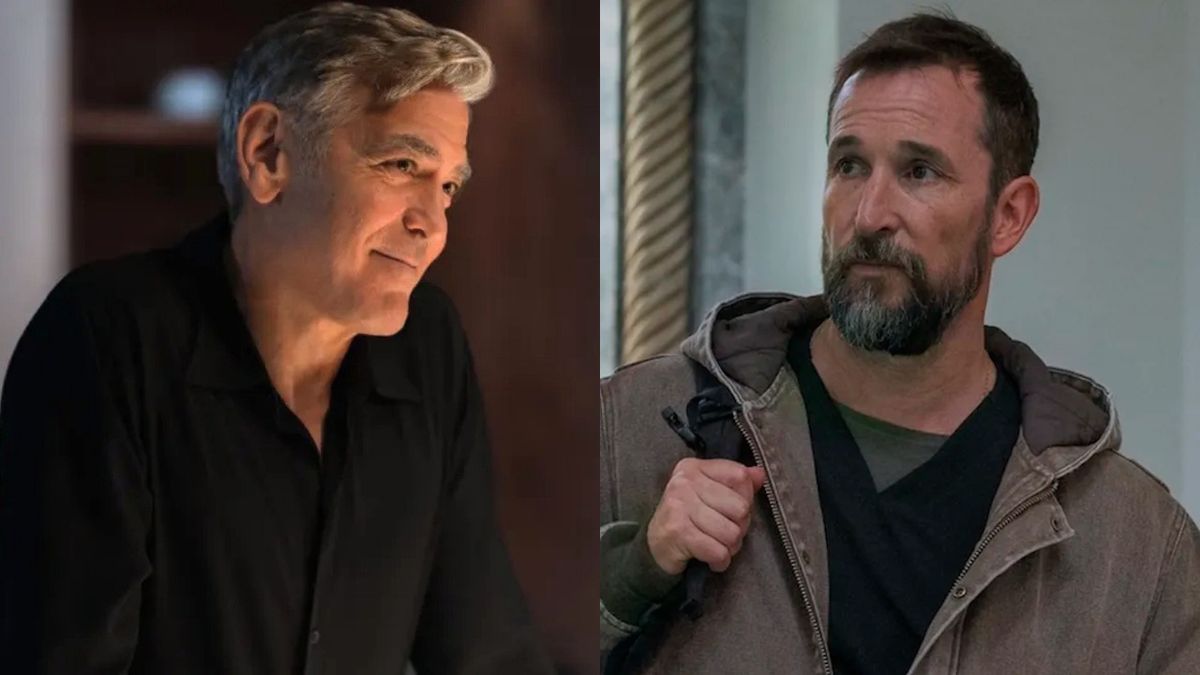
Instead, the series took a different approach. Langdon returned in Season 2, with the storyline picking up during his first shift back after rehab. This choice not only preserved his character but also allowed the show to explore themes of recovery, accountability, and reintegration. It demonstrated that while departures are common, returns and second chances are also part of the narrative fabric.
Looking ahead, there is cautious optimism that Ball will remain part of the ensemble for Season 3. Alongside this, Ayesha Harris, who plays Dr. Parker Ellis, has been promoted to a series regular, signaling that new or previously supporting characters can step into larger roles as others exit. This approach helps maintain continuity while still embracing change, ensuring that the show evolves rather than stagnates.
So far, the transition between Seasons 1 and 2 involved only one major departure, suggesting that the series may not overhaul its cast too drastically at once. However, Wyle’s comments at a PaleyFest screening indicate that viewers should prepare for ongoing shifts in the seasons to come. He explained that the writers are constantly balancing realism with storytelling, trying to determine how much time can pass while still plausibly keeping certain characters around.
His remarks highlight the central challenge of the show: maintaining a cohesive narrative while reflecting the transient nature of hospital staffing. To address this, the writers often introduce new characters or elevate existing ones, ensuring that fresh dynamics keep the story engaging. It’s a strategy that prioritizes long-term vitality over short-term stability.
Still, the implications are clear. As the series progresses, it is entirely possible that key figures—whether it’s Langdon, Santos, Whitaker, Mel, or others—could eventually depart. For viewers, this means constantly adjusting to new faces and storylines, a process that can be both exciting and unsettling.
The emotional impact of these changes cannot be understated. Television audiences often form deep connections with characters, especially in ensemble dramas where personal and professional lives intertwine. Losing those characters can feel like losing a part of the show’s identity. Yet, in The Pitt, that sense of loss is woven into the experience itself.
In many ways, the series is asking its audience to embrace impermanence. Just as real hospitals see staff come and go, the show invites viewers to accept that no character’s presence is guaranteed. It’s a bold narrative choice, one that challenges traditional expectations but also sets the series apart.
For now, most of the original cast remains intact, and fans can still enjoy their performances as Season 2 reaches its conclusion. But as the show moves forward, Wyle’s warning—and Ball’s nervous “gulp”—serve as a reminder that change is always on the horizon.
Ultimately, this approach may be what defines The Pitt. It is a show that refuses to offer comfort in predictability, choosing instead to mirror the complexities and uncertainties of real life. While that can be concerning, it is also what makes the series feel authentic, dynamic, and, at times, deeply affecting.