Television writer and producer Michael Patrick King has spent decades shaping some of the most recognizable comedies in modern TV. From his early work on Murphy Brown and Will & Grace to the edgy humor of 2 Broke Girls, his career has been defined by reinvention and risk-taking. Still, he remains most closely associated with the cultural phenomenon Sex and the City and its later revival, And Just Like That. Yet in 2026, King finds himself revisiting one of his most critically admired—though initially overlooked—projects: The Comeback.
Originally created with Lisa Kudrow, The Comeback debuted in 2005 as a sharp, uncomfortable satire about fame, ego, and the entertainment industry. Kudrow played Valerie Cherish, a once-popular sitcom actress attempting to reclaim relevance through reality television—a format that was still relatively new at the time. Despite glowing reviews and award recognition, the show struggled to find a large audience and was canceled after its first season.
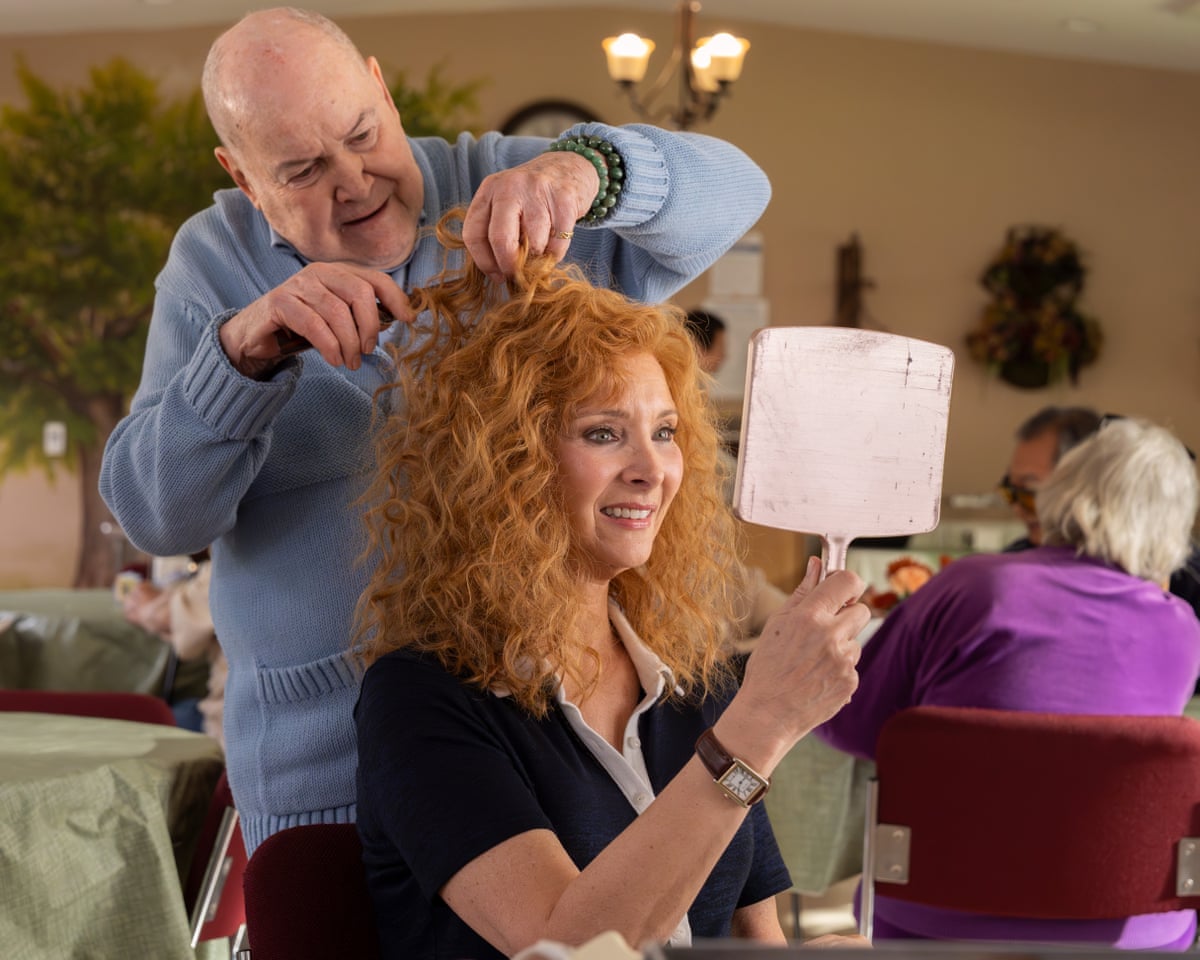
Nearly a decade later, in 2014, the series returned unexpectedly for a second season. This time, it deepened its emotional and narrative complexity. Valerie, now portraying a version of herself in a gritty HBO drama based on her earlier reality show, confronts painful truths about her personal life, including her deteriorating marriage. The second season was widely praised, cementing the show’s reputation as ahead of its time.
For years, devoted fans hoped for another installment, though King admits that he and Kudrow never seriously planned one. They would occasionally meet for lunch and casually speculate about what Valerie might be doing, but there was no concrete intention to revive the series again. After the success of season two, both creators felt satisfied with where the story had landed.
However, the rapidly changing entertainment landscape eventually sparked a new idea. The aftermath of the 2023 writers’ and actors’ strikes, combined with the rise of streaming platforms and social media culture, created what King describes as a “perfect storm” for Valerie’s return. During one of their conversations, Kudrow suggested it might be amusing—and painfully appropriate—to see Valerie navigating an industry in crisis. That comment became the seed for the third and final season.
This new season begins amid industry turmoil, with Valerie, true to form, focusing less on the bigger issues and more on personal visibility—such as trying to take a photo with union leader Fran Drescher. The story then jumps forward to 2026, where Valerie lands the lead role in a new sitcom titled How’s That?. Along with the role, she is given an executive producer credit—something she has always craved. But there’s a catch: the entire show is written by artificial intelligence, and she must keep this fact hidden from the cast and crew.
This premise allows The Comeback to explore one of the most pressing questions in modern entertainment: could AI realistically create an entire television series? According to King, the answer is not only yes, but perhaps sooner than people expect. He and Kudrow conducted extensive research, speaking with experts who suggested that AI technology is far more advanced than the public realizes.
One particularly eerie experience left a lasting impression on King. During a demonstration, he encountered an AI model with a warm, human-like voice that began analyzing his previous work and even predicting the direction of The Comeback’s new season. The interaction felt so unsettling that he asked for the system to be shut down immediately. For King, this moment underscored how quickly AI is evolving—and how close it is to influencing creative industries in profound ways.
Despite the futuristic theme, the show deliberately places Valerie back into a traditional multi-camera sitcom format. While this style is often considered outdated, King sees it as central to Valerie’s identity. Sitcoms represent her ultimate dream—a return to the kind of fame and validation she once had. For King himself, the format is also deeply personal, as it was where he began his career.
Of course, revisiting older sitcom styles also raises questions about humor and cultural sensitivity. Shows like 2 Broke Girls were often criticized for jokes that pushed boundaries around race, gender, and sexuality. Looking back, King acknowledges that some of that humor might not align with current standards, but he emphasizes that comedy has always been shaped by perspective. What is acceptable—or “legal,” as one line in the new season jokingly suggests—changes over time.
Another layer of the new season reflects how fame itself has evolved. In the early 2000s, Valerie’s desperate attempts to stay relevant were seen as extreme. Today, behaviors once considered embarrassing—sharing intimate details online, building a personal brand at all costs, involving family members in public life—have become normalized. The show highlights this shift, suggesting that Valerie may no longer be an outlier, but rather a product of her time.
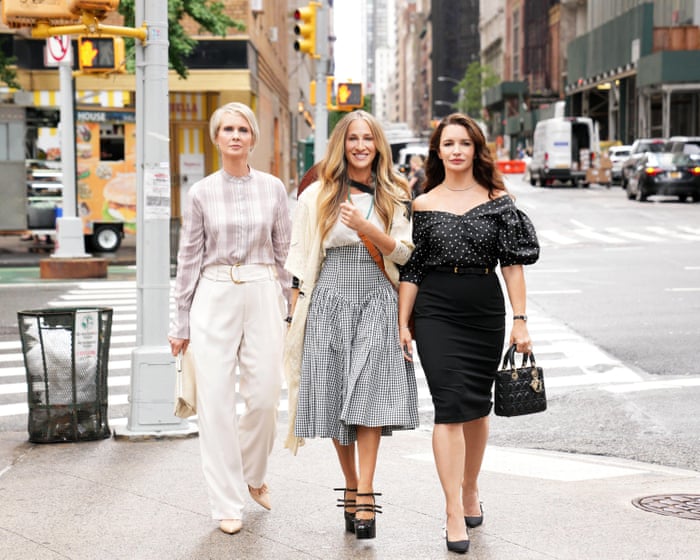
King’s reflections on audience perception naturally lead to his other major project, And Just Like That. The series, which revisits the characters of Sex and the City in their 50s, sparked intense debate among viewers. Some fans struggled to accept how the characters had changed, while others appreciated the attempt to depict aging and societal expectations more realistically.
King remains confident that the show will be reevaluated more positively in the future. He points to The Comeback as an example of how perceptions can shift. Initially dismissed, it later gained recognition as audiences caught up with its themes. He believes And Just Like That may follow a similar trajectory, especially as its exploration of older women navigating societal pressures becomes more relevant over time.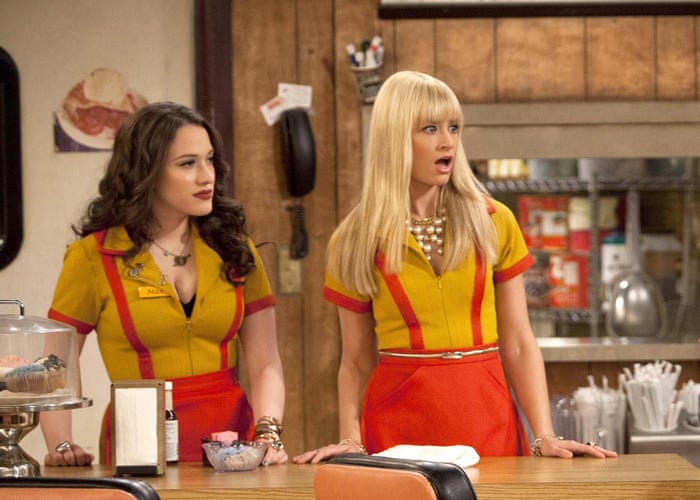
A key challenge, he notes, is that audiences often want characters to remain exactly as they remember them. Growth and change can be uncomfortable, even when they are necessary for meaningful storytelling. King argues that it would have been a mistake to simply recreate Sex and the City without evolution. Instead, he chose to take risks, even if it meant facing criticism.
As for The Comeback, its return after more than two decades is already a testament to its enduring relevance. What was once considered a niche, awkward satire now feels strikingly prescient in an era dominated by reality TV, influencer culture, and technological disruption.
Whether the final season will achieve the mainstream success that eluded it in the past remains uncertain. But King seems unfazed. Reflecting on the show’s unlikely journey—from cancellation to cult favorite to revival—he adopts Valerie Cherish’s signature optimism: setbacks are never the end of the story.
After all, as he humorously puts it, the show was canceled—and yet, here it is again, decades later. If that doesn’t prove that things can come back around, nothing does.