BIGBANG leader G-Dragon has found himself embroiled in controversy once again after wearing a stage outfit at the K-SPARK festival in Macau that featured a Dutch racial slur. His agency, Galaxy Corporation, swiftly issued an official statement addressing the backlash and promising improved oversight.
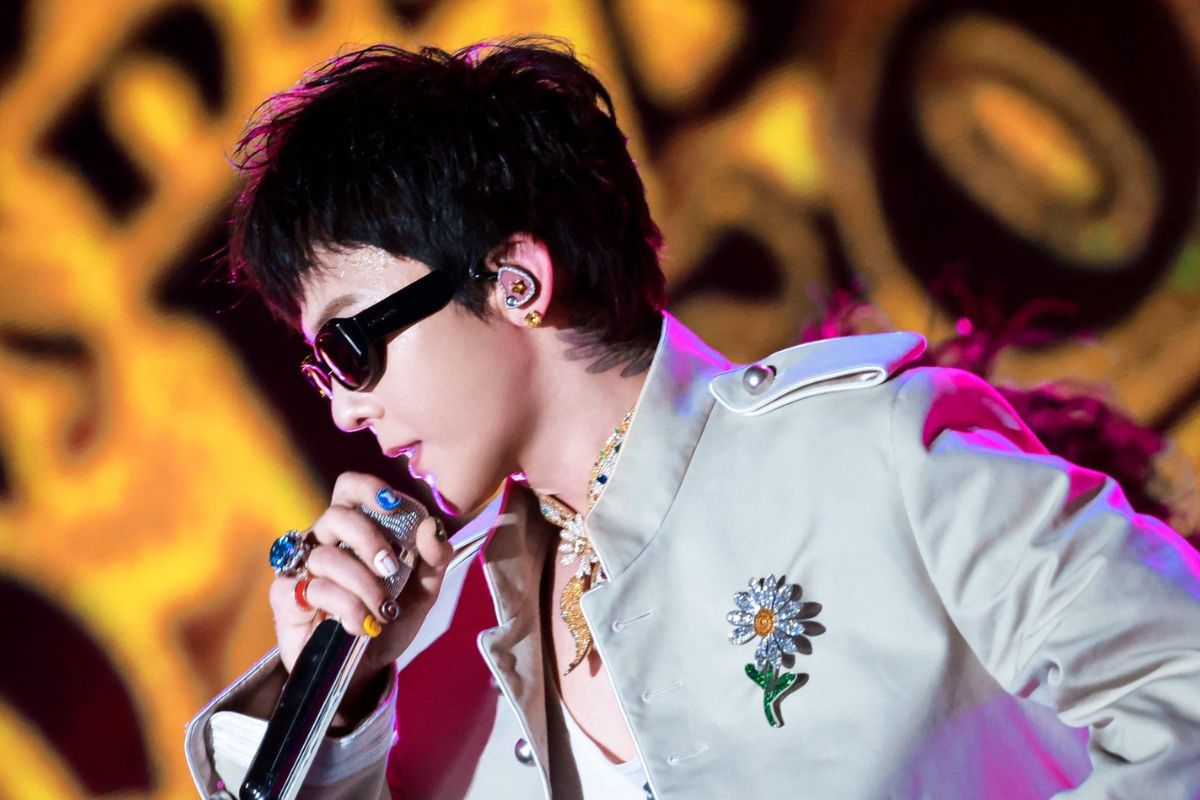
The incident occurred on May 2, 2026, during G-Dragon’s performance at the K-SPARK music concert in Macau. Photos and videos from the event quickly circulated online, showing the 37-year-old idol in a T-shirt partially visible beneath his jacket. The garment, from a 2007 Bernhard Willhelm runway collection, bore the phrase “RONNY, EEN GEILE NEGER– JONGEN,” which roughly translates to “Ronny, a horny Black boy.” The term “neger” is widely recognized in the Netherlands and broader European contexts as a derogatory slur against Black people, comparable in offensiveness to the N-word in English.
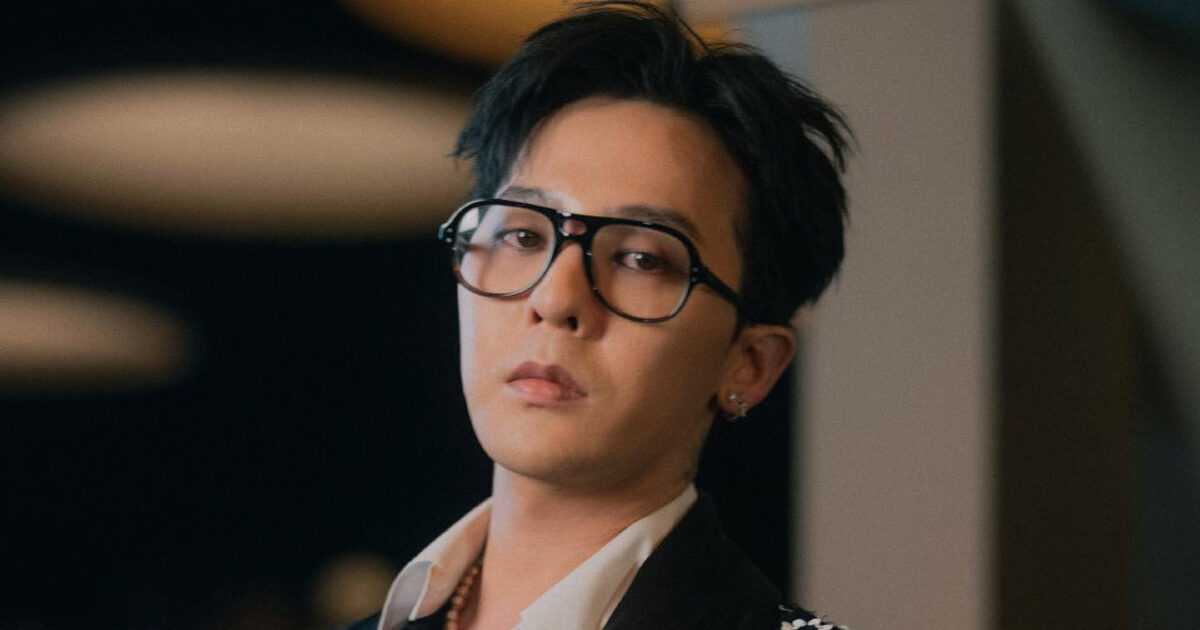
International fans, particularly within global K-pop communities, expressed strong disappointment and anger. Many labeled the outfit “disgusting” and accused G-Dragon of cultural insensitivity. Critics highlighted that the shirt also featured an exaggerated, caricature-like image on the front, amplifying concerns about racial stereotyping. The backlash intensified as netizens noted this was reportedly not the first time G-Dragon had worn similar controversial pieces, reigniting discussions about past instances of alleged cultural appropriation or insensitivity.
On May 4, Galaxy Corporation released a formal apology. The statement read: “Hello. This is Galaxy Corporation. We sincerely apologize for the inappropriate wording featured on the performance outfit worn by the artist at K-SPARK in Macau on May 2.”
The agency continued: “Through this incident, we have once again recognized the importance of more careful cultural sensitivity and responsible review. We will thoroughly review and improve our internal verification processes, including styling, to operate under more cautious standards. Going forward, we will act with greater responsibility and care to ensure that the diverse cultural backgrounds and values of global fans are respected in all activities involving our artist.”
The swift response aimed to acknowledge the harm caused and commit to better practices. However, reactions remained divided. Some fans defended G-Dragon, arguing the shirt was intended as provocative, satirical art from a transgressive designer known for boundary-pushing fashion. They emphasized that G-Dragon, as a long-time fashion innovator, often incorporates avant-garde pieces without fully scrutinizing every cultural nuance, especially in fast-paced stage preparations.

Others, including many Black fans and allies, rejected this perspective. They stressed that at 37 years old and with decades in the global spotlight, G-Dragon and his team bear greater responsibility for due diligence. Comments flooded social media platforms, with some calling the apology insufficient because it came from the agency rather than the artist personally. Others expressed broader frustration with recurring issues in K-pop regarding racial awareness and cultural sensitivity in fashion choices.
This controversy arrives at a pivotal time for G-Dragon. After completing mandatory military service, he has been actively rebuilding his solo career under Galaxy Corporation. The agency, founded to support his post-BIGBANG endeavors, has positioned him as a multifaceted artist blending music, fashion, and visual art. His recent activities have drawn massive international attention, but incidents like this underscore the challenges of navigating a hyper-connected global fanbase with diverse cultural expectations.
K-pop as an industry has faced repeated scrutiny over cultural sensitivity. Idols frequently collaborate with international designers and draw inspiration from global trends, yet language barriers and differing cultural contexts can lead to missteps. The Macau incident highlights how a single wardrobe choice can spark widespread debate, especially when amplified by social media. Fans and critics alike have called for more robust education and review processes within agencies to prevent similar situations.
Supporters of G-Dragon point to his overall contributions to music and fashion. As BIGBANG’s leader, he helped pioneer the Hallyu Wave’s global expansion. His influence extends beyond Korea, with collaborations across borders and a reputation for pushing artistic boundaries. Many argue that while accountability is necessary, context matters—particularly when dealing with artistic expressions from decades-old collections.
Conversely, advocates for greater awareness emphasize that intent does not negate impact. In an era where K-pop reaches audiences in every corner of the world, including significant Black communities, sensitivity to racial issues is non-negotiable. The episode has prompted calls for idols and their teams to engage more deeply with cultural consultants and diverse perspectives during creative processes.
Galaxy Corporation’s promise to strengthen internal protocols—including more rigorous styling reviews—represents a step toward addressing these concerns. Whether this leads to tangible changes remains to be seen, but the statement signals recognition of the stakes involved in maintaining trust with a global fanbase.
For G-Dragon himself, the incident serves as another reminder of the intense spotlight on every aspect of his public life. As he continues solo promotions and potential group activities with BIGBANG, balancing creative freedom with cultural responsibility will be key. The artist has historically maintained a relatively low public profile on controversies, letting his work and agency statements speak for him.
Broader conversations emerging from this event touch on the evolving expectations for K-pop stars. What was once overlooked in niche fashion circles now faces instant global judgment. As the genre matures into a truly international force, incidents like G-Dragon’s Macau outfit underscore the need for proactive education and inclusive decision-making.
In the end, Galaxy Corporation’s apology aims to close this chapter while committing to growth. Fans will watch closely to see how the agency and artist implement promised improvements. For now, the focus remains on ensuring that future performances celebrate creativity without causing unintended harm or division within the diverse K-pop community. G-Dragon’s enduring influence means such moments carry weight—not just for his career, but for industry-wide standards moving forward.