The fashion world is reeling from explosive allegations that have shattered the polished image of BLACKPINK’s Jisoo, the elegant “Dior princess” and eldest member of the global girl group. A well-known Belgian designer has stepped forward with damning claims, accusing Jisoo’s team of holding onto high-end garments for over six months without any intention of returning them. What was supposed to be a routine loan for a professional photoshoot has spiraled into a full-blown property dispute, exposing what many now call a troubling pattern of entitlement among top-tier idols.
Benjamin Voortmans, founder of the Judassime label, did not hold back. In a series of raw Instagram videos that quickly went viral before some were deleted, he detailed how multiple pieces — including important archive items described as “extremely expensive” — were sent to South Korea specifically for Jisoo’s album cover project. Six months passed with radio silence despite repeated attempts at contact, invoices, and even legal reminders. “Jisoo from BLACKPINK basically stole my stuff,” the designer stated bluntly, his frustration evident as he highlighted the lack of response from her management.
The victim’s desperate outreach reportedly fell on deaf ears. Voortmans claimed his team tried every channel — emails, contracts, follow-ups — only to be met with frightening silence. No apologies, no explanations, no return shipping arranged. In the cutthroat fashion industry, where independent designers pour their heart, soul, and finances into each creation, this alleged behavior strikes at the core of basic ethics and professionalism. For a global superstar like Jisoo, whose every appearance is meticulously styled with luxury pieces, the accusation paints a troubling picture of arrogance: borrowing luxury as if it were disposable, then simply moving on when the spotlight shifts elsewhere.
The timing couldn’t be more damaging. Jisoo has cultivated an image of grace and sophistication, fronting for Dior and gracing countless high-fashion campaigns. Yet behind the dazzling gowns and flawless visuals, whispers now grow louder about a “borrow but forget to return” habit that allegedly disregards the hard work of creators. Fans and netizens alike are divided, with some rushing to defend her while others question whether this reflects deeper issues within her team’s management. “How does a star of her caliber let something like this drag on for half a year?” one fashion insider remarked anonymously. “These aren’t fast-fashion items — they’re archive pieces with real value, both monetary and sentimental.”
Social media erupted almost instantly. Hashtags like #JisooScandal, #ReturnTheClothes, and #BLACKPINKEntitlement trended as clips of the designer’s accusations spread. Many pointed out the power imbalance: a small Belgian label versus one of K-pop’s biggest names backed by a major agency. The designer’s frustration boiled over as he tagged Jisoo’s official account directly, pleading for the return of his belongings. “It has been six months… no one has been responding,” he emphasized, underscoring the emotional and financial toll on his brand.
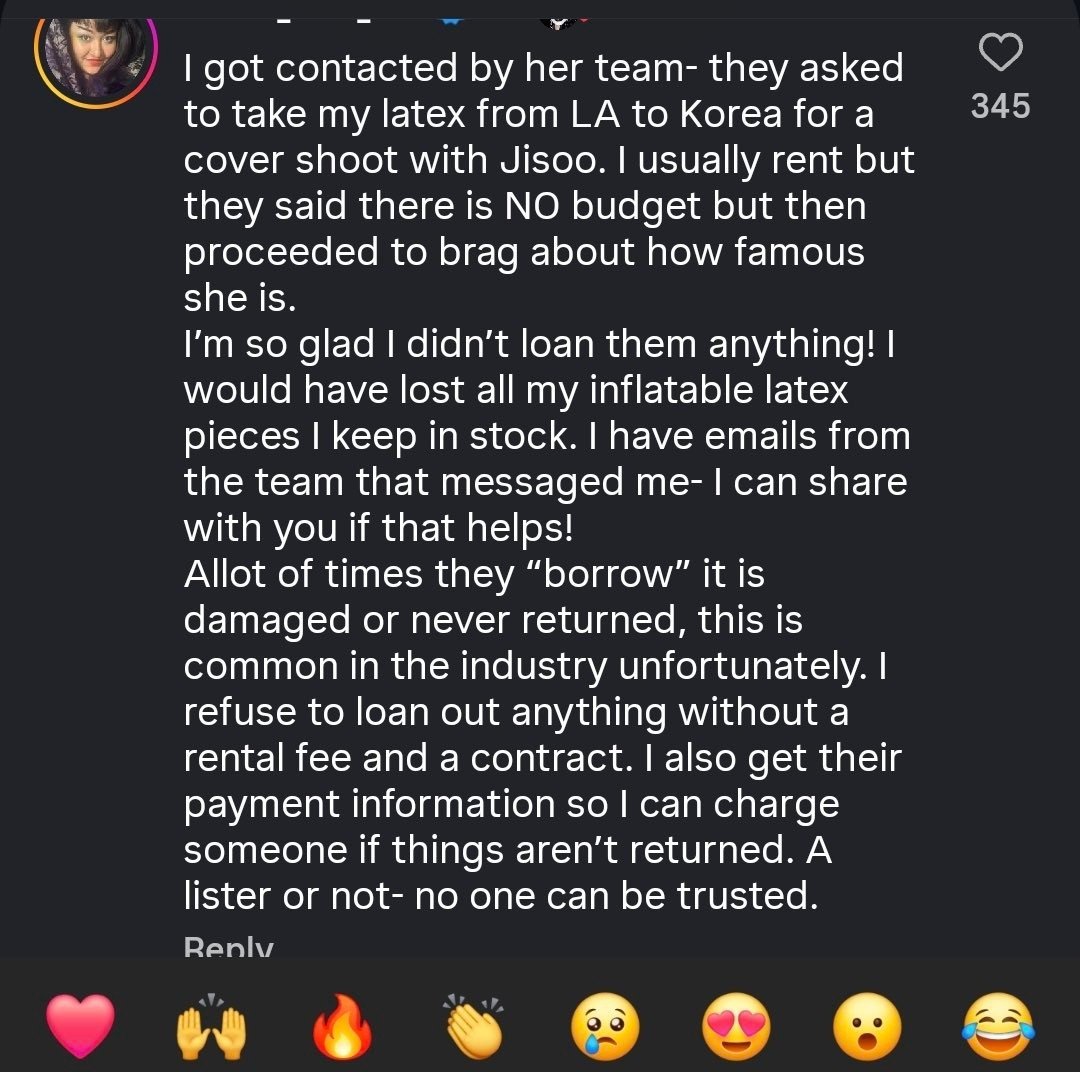
Defenders argue it could be a simple management oversight — busy schedules, miscommunication, endless postponements of the shoot. But critics fire back that such excuses ring hollow for a professional setup handling multimillion-dollar careers. “Even if Jisoo herself wasn’t personally aware, her team carries her name. The silence speaks volumes about how they view smaller creators,” one commentator noted. The scandal gains extra weight amid reports that similar complaints from other designers have surfaced in private forums, suggesting this may not be an isolated incident.
Jisoo’s camp has remained notably quiet as the story dominates headlines. No official statement, no immediate apology, no confirmation of resolution despite the growing backlash. This perceived stonewalling only fuels speculation: Is this the real face behind the elegant persona? A superstar so accustomed to receiving everything for free — gifts, loans, collaborations — that basic courtesy falls by the wayside? In an industry where image is everything, the “Dior princess” now finds her reputation under scrutiny not for a stage mishap or dating rumor, but for something as fundamental as respect for others’ property.
Fashion experts warn that such controversies can have ripple effects. Independent designers already struggle against big luxury houses; stories like this erode trust in celebrity collaborations. “When idols or their teams treat borrowed pieces as personal keep-sakes, it discourages brands from lending to K-pop stars altogether,” one veteran stylist shared. The alleged six-month delay isn’t just inconvenient — it’s seen by many as outright disrespectful to the blood, sweat, and creativity poured into each garment.
As the story continues developing, fans flood comment sections with mixed reactions. BLINKs demand proof and context, emphasizing that Jisoo herself may not have been directly involved. Others call for accountability, reminding that global influence comes with global responsibility. Voortmans later posted updates indicating the matter was “getting fixed,” with arrangements being made to retrieve the items, yet he stood by his initial frustration without issuing a full apology for naming Jisoo.

This scandal arrives at a pivotal moment for Jisoo, fresh off solo successes and group activities. The dazzling outfits that once symbolized her rise now carry a shadow — questions about whether the glamour comes at someone else’s unacknowledged expense. Was it a genuine oversight buried under a hectic schedule, or a symptom of a superstar culture that has grown too detached from the people enabling the fantasy?
The fashion world watches closely. For Jisoo and BLACKPINK, long praised for their boundary-breaking success, this episode serves as a stark reminder: even the brightest stars are not above basic decency. The “eldest sister” of BLACKPINK built her throne on elegance and poise — now, the public demands she addresses whether that throne was partially furnished with unreturned borrowed goods. Until full transparency and resolution emerge, the allegations will linger, chipping away at the flawless facade and forcing a conversation about privilege, power, and professionalism in the glittering K-pop empire.