*J.Y. Park’s “Disgusting” Promo for Sexual Song Sparks Backlash: When Family Meets Explicit Marketing**
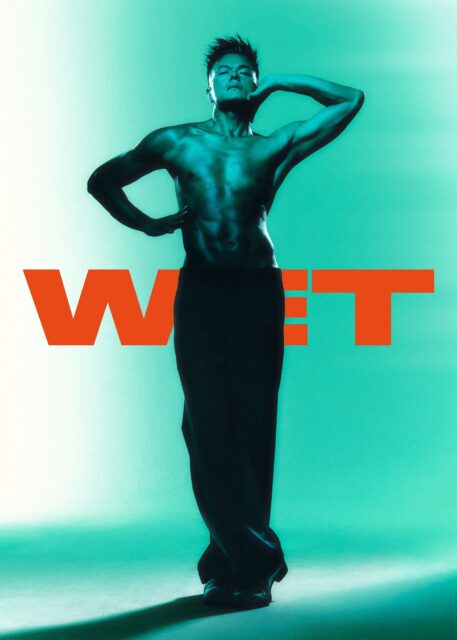
J.Y. Park, the influential founder of JYP Entertainment and a veteran K-pop artist known as “The Asiansoul,” is no stranger to controversy. At 54 years old, he continues to push boundaries with his solo work, maintaining a public image that blends seasoned performer charisma with a persistently youthful, often provocative style. His latest teaser campaign for the upcoming single “Wet,” however, has crossed a line for many fans and netizens, igniting widespread criticism over the inclusion of his young daughter in promotional content laced with sexual undertones.
The controversy erupted on July 22, 2026, when J.Y. Park shared a video on X (formerly Twitter) featuring himself working out while his daughter playfully interacts with him. The clip ends with a clear tie-in to his new track, prominently featuring the lyric “Just call me J.Y. Papi” accompanied by the water droplet emoji (💦) and the hashtag #WET. The post reads: “Just call me #JYPapi 💦 #JYPark #박진영 #WET.” While the video itself depicts a seemingly wholesome father-daughter moment, the suggestive caption and song context have led many to label it as inappropriate and “disgusting.”
Critics argue that blending familial innocence with overtly sexual promotion raises serious ethical questions. Comments flooded social media platforms, with users expressing discomfort at using a child—visibly underage—in marketing for what appears to be a sensual release. One user tweeted, “THATS A CHILD WTF,” while another stated, “‘Just call me #JYPapi 💦’ and it’s a video of you with your underage daughter?? This is weird asf.” Others echoed the sentiment: “I don’t think you should be using your child to make suggestive captions for your obviously sexualized comeback.”
This backlash taps into broader societal concerns about celebrity parenting, boundaries, and the commercialization of personal life. In K-pop and entertainment industries worldwide, artists often share glimpses of family life to humanize their public personas. However, when that family content is juxtaposed with themes of sexuality—especially involving minors—it risks blurring lines that many believe should remain distinct. J.Y. Park’s history of embracing a “sexy” image in his solo career amplifies the issue. Teasers for “Wet” have already leaned into sensuality, and fans have generally acknowledged his impressive physical fitness for his age. Yet, the daughter’s involvement shifts the narrative from personal branding to perceived exploitation.

Defenders of J.Y. Park, however, view the outrage as overblown. They emphasize the literal meaning of “Papi” as a Spanish term for “dad” or an affectionate fatherly reference. “It’s a play on words—his LITERALLY her dad so jypapi… plus he’s just promoting his song while he hangs out with his kid,” one supporter posted. Others called it “a cute father-child moment” and accused critics of “making it weird” or being “blinded by hate.” From this perspective, the video celebrates everyday family bonding, with the song tie-in being secondary promotional cleverness rather than intentional inappropriateness.
This divide highlights polarized views on celebrity culture. Supporters argue that J.Y. Park, as a long-time industry figure who has mentored countless idols and built one of K-pop’s “Big Three” companies, deserves leeway for creative expression. His career spans decades, from pioneering hits to producing for groups like TWICE, ITZY, and Stray Kids. Maintaining relevance as a solo artist in his 50s is commendable to some, reflecting resilience in a youth-obsessed industry.
Yet, detractors point to a pattern. J.Y. Park has faced prior criticism for attention-seeking behavior, such as centering himself in dance competition finales, pushing provocative concepts, or displaying frustration in studio sessions that reportedly brought artists to tears. His “sexy” persona, while consistent, occasionally clashes with expectations of maturity, especially as a public family man. The “Wet” promo revives debates about whether veteran idols should evolve their image or if perpetual youthfulness borders on delusion.
The incident also raises questions about platform responsibility. X (Twitter) amplifies such content instantly, turning personal posts into global controversies. K-pop fandoms are notoriously vocal, and while some backlash may stem from anti-JYP sentiment, the core issue—protecting children from adult-themed marketing—resonates universally. Parenting in the spotlight is challenging; every shared moment becomes scrutinized. J.Y. Park has not publicly responded to the criticism as of the latest reports, leaving fans to speculate on whether he’ll address it or proceed with the release.

In the wider context of K-pop, this controversy underscores evolving standards. The industry has shifted toward greater accountability regarding mental health, consent, and appropriate content, especially post-various scandals. Artists like J.Y. Park, who built empires on bold concepts, now navigate heightened scrutiny from international audiences with diverse cultural sensitivities. What was once seen as charismatic flair can now appear tone-deaf.
Ultimately, the “JYPapi” promo exemplifies the tightrope celebrities walk between authenticity, promotion, and responsibility. Supporters see harmless fun and linguistic wordplay; critics see a misstep that prioritizes clicks over boundaries. As “Wet” approaches release, the debate will likely intensify, forcing broader conversations about family privacy, sexualized marketing, and the aging of K-pop icons.
J.Y. Park’s enduring influence is undeniable—he shaped modern K-pop. But moments like this test public goodwill. Whether the backlash fades or lingers may depend on how he handles the fallout and if future promotions respect clearer boundaries. In an era demanding nuance from public figures, this “disgusting” promo serves as a reminder: personal branding should never come at the expense of those who didn’t choose the spotlight.