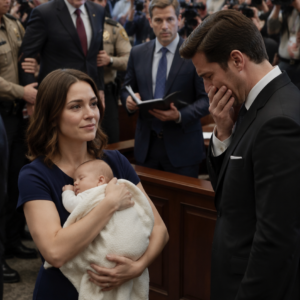
On April 14, 2026, just as BTS ramps up momentum with their highly anticipated ARIRANG world tour, a wave of frustration swept through the ARMY fandom. A deepfake YouTube thumbnail surfaced, falsely presenting an exclusive one-on-one interview between BTS’ maknae Jungkook and Rolling Stone magazine. The AI-generated image showed Jungkook sitting face-to-face with senior writer Brian Hiatt, complete with fabricated headlines suggesting sensational revelations. What made it particularly damaging was the implication of unreleased content, including false claims that Jungkook had announced an “impending marriage” or plans related to leaving Korea—details that never happened.
The thumbnail spread rapidly across YouTube and social media platforms like X (formerly Twitter), capitalizing on the excitement surrounding Rolling Stone’s upcoming eight-part May 2026 cover-story package featuring all seven BTS members. Fans who clicked or shared it expecting genuine insight were met with clickbait designed purely for views and engagement. The actual solo interviews conducted by Brian Hiatt remain unreleased, making the entire visual and accompanying headlines a complete fabrication.
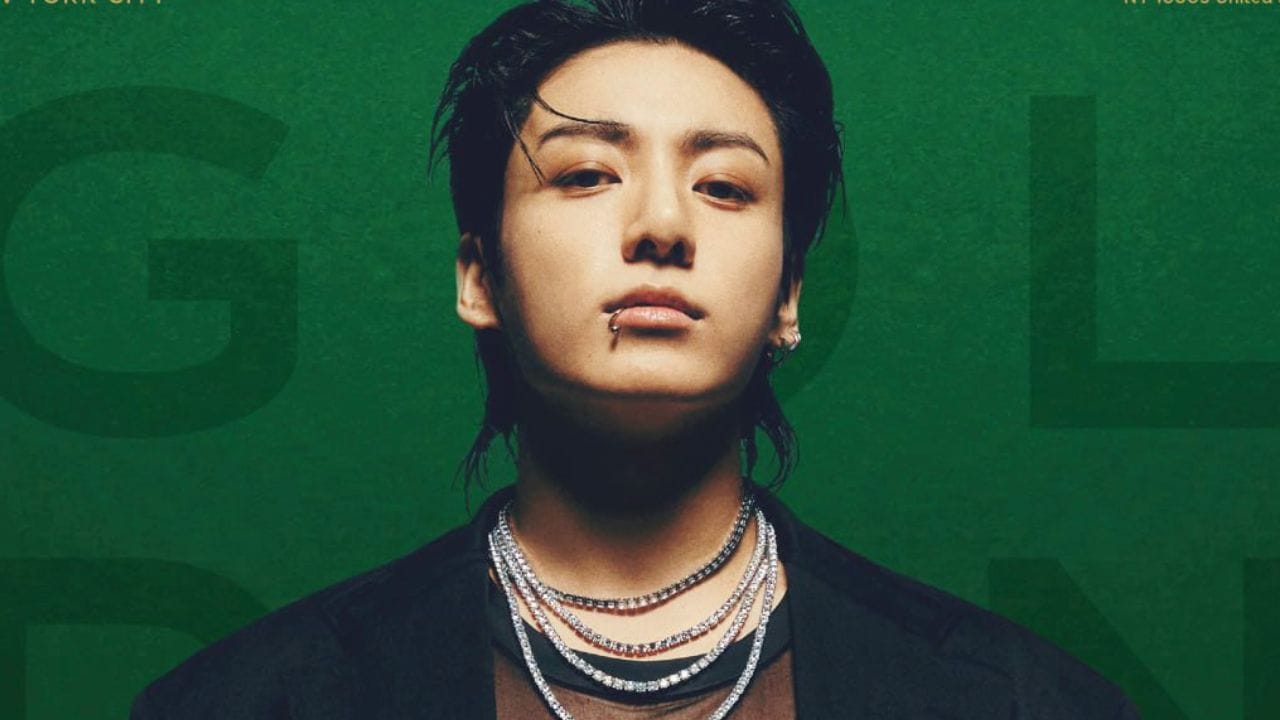
Brian Hiatt himself quickly stepped in to shut down the misinformation. On X, the Rolling Stone senior writer shared a screenshot of the fake thumbnail and wrote: “Wild: they’re using AI to make fake stills with fake headlines from the solo interviews we haven’t released yet.” In follow-up comments, Hiatt explicitly clarified that Jungkook made no such announcements about marriage or any similar personal milestones during the interview. He pointed out inconsistencies in the AI image, even noting details like the wrong boots on Jungkook’s figure, underscoring how sloppy yet convincing these fakes can appear at first glance. Hiatt and his team reportedly began reporting the content, but many fans expressed disappointment that platforms like YouTube have been slow to act despite repeated flags.
The backlash from ARMY was swift and emotional. Across social media, fans voiced outrage with messages like “Jungkook doesn’t deserve this.” One user posted: “This is exactly the type of AI JK doesn’t stand for. Some people live their lives pathetically… JungKook doesn’t deserve this from those of simple minds.” Others highlighted the broader issue: “WILD! But not surprising. Problem is gullible fans will believe it.” Many called out toxic anti-fans and opportunistic channels using AI for free marketing, spamming links on Weverse and elsewhere. Frustration also turned toward platforms and HYBE for what some perceive as insufficient proactive measures against deepfakes and fraudulent accounts.

This incident hits especially hard because Jungkook has been vocal about his discomfort with AI misuse. During a Weverse live stream in 2024 while serving in the military, he expressed concern after seeing AI covers of his work: “I know people liked the AI cover… Honestly, I don’t think it’ll be long before it becomes impossible to tell apart AI recordings anymore. We’re in trouble. It’s all going down. This is how we’ll all lose work.” He revisited the topic on April 8, 2026, noting how increasingly difficult it is to distinguish real from fake videos and images. For a artist who values authenticity in his music and connection with fans, having his likeness and words twisted for sensationalism feels like a direct affront.
The timing amplifies the sting. BTS is in the midst of their ARIRANG world tour, with recent shows in Tokyo on April 18 and the North American leg kicking off April 25-28 at Raymond James Stadium in Tampa, Florida. After nearly four years of military service hiatus and individual activities, the group’s collective return has been met with global anticipation. Fake content like this not only sows confusion among newer or casual fans but also risks diluting the excitement around legitimate interviews and tour moments.
The problem extends beyond one thumbnail. Fans report a surge in AI-generated “interview” clips, fake music videos using BTS song titles, and misleading thumbnails that exploit the group’s popularity. Clickbait channels reportedly spam Weverse communities, hoping for organic shares before being reported. While some content gets taken down, the speed at which new versions appear frustrates the fandom, leading to calls for stronger platform enforcement and faster responses from HYBE and Weverse officials.
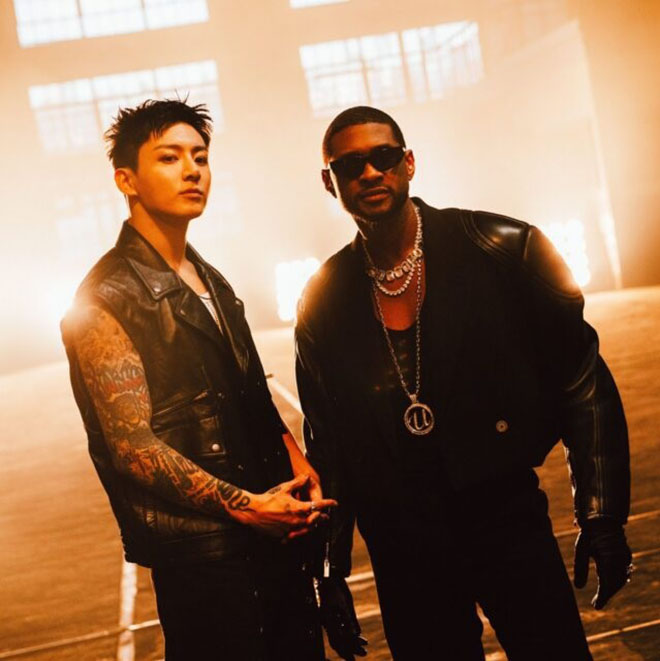
This isn’t an isolated issue in the K-pop world or the broader entertainment industry. AI deepfakes have plagued artists across genres, from viral but unauthorized Drake and The Weeknd collaborations to fabricated celebrity endorsements. In Jungkook’s case, the misuse targets his personal life—fabricating marriage rumors or relocation stories that could spark unnecessary speculation and even affect his privacy. ARMY members have taken to reporting accounts en masse, sharing screenshots of their complaints, and urging others to block and avoid engaging with suspicious channels.
The incident also raises bigger questions about consent, intellectual property, and the ethics of generative AI. While tools like image generators and voice synthesizers offer creative possibilities, their weaponization for misinformation erodes trust. Rolling Stone’s intervention adds credibility and reassurance, but it also highlights how journalists and publications are now forced to police fabricated versions of their own unreleased work.
For Jungkook specifically, the outrage resonates deeply with his artistic ethos. Known for his golden voice, versatile performances, and genuine interactions with fans, the maknae has built a career on sincerity—whether through heartfelt solo tracks like “Seven” and “Standing Next to You,” or vulnerable livestream moments. Seeing his image manipulated to push false narratives feels particularly unfair to many supporters who see him as someone who already gives so much while maintaining boundaries.
As BTS continues its tour and prepares for the full rollout of Rolling Stone’s in-depth features, fans hope this serves as a wake-up call. Many are advocating for better AI detection tools on platforms, clearer labeling of synthetic content, and more robust legal or policy responses from entertainment companies. HYBE, as the group’s agency, has faced previous calls to address deepfake issues more aggressively, especially given Jungkook’s own expressed worries.
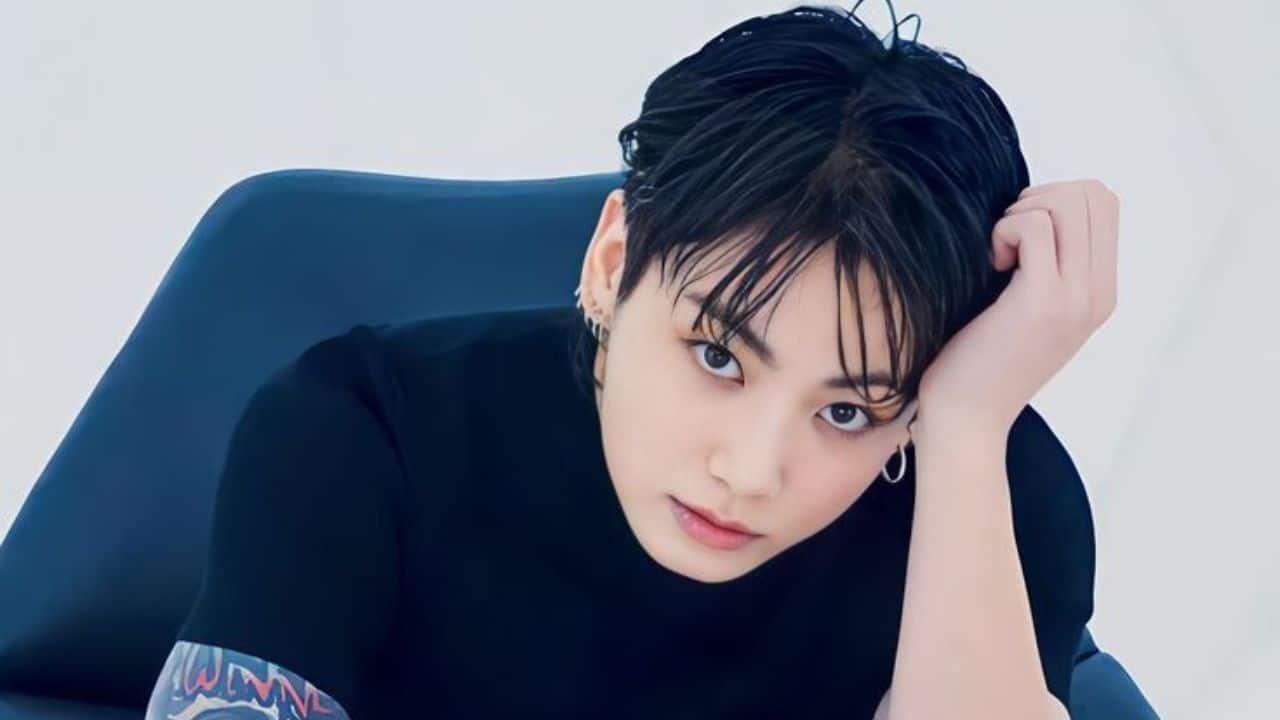
In the end, the overwhelming sentiment remains protective: “Jungkook doesn’t deserve this.” The maknae, celebrated for his talent and humility, continues to focus on his craft and the joy of performing with his members. ARMY’s rapid defense and Rolling Stone’s quick clarification demonstrate the fandom’s resilience and the value placed on truth amid an increasingly blurred digital landscape.
While AI technology advances rapidly, incidents like this remind everyone—fans, artists, platforms, and creators—that authenticity still matters. The real Rolling Stone interviews, when released, will offer genuine insights into Jungkook and BTS without the distortion of fabricated headlines. Until then, the community stands united against fakes, ensuring the maknae’s voice and story remain his own.