A fresh wave of controversy has hit the K-pop industry as a TikTok video accusing Mnet of manipulating audience reactions during BTS’ iconic 2019 performance of “Boy With Luv” has gone massively viral. The claim suggests that enthusiastic clapping sounds and ecstatic facial expressions from fans watching lesser-known girl group Badkiz’s “Hot Place” were secretly inserted into BTS’ stage footage. This allegation has ignited heated debates across social media, particularly on X (formerly Twitter), splitting the K-pop community into fierce camps.
The video in question originated from a TikTok user who claimed she was one of the audience members shown cheering wildly. According to her, the shots were captured during Badkiz’s (then performing as Hot Place) performance, not BTS’. Mnet allegedly edited the footage to overlay these reactions onto BTS’ “Boy With Luv” stage, creating an illusion of overwhelming hype specifically for the global superstars. The post quickly spread beyond TikTok, gaining traction on X and other platforms, where users began side-by-side comparisons of the clips. Some pointed to matching crowd angles, lighting, and even specific facial expressions as “proof” of foul play.
This isn’t the first time Mnet has faced scrutiny over editing practices. The network, known for producing shows like M Countdown and survival programs, has a long history of accusations regarding selective editing, exaggerated reactions, and narrative manipulation to heighten drama. Critics argue that such tactics boost viewership and create “moments” that may not fully reflect reality. In this case, the timing—during BTS’ explosive 2019 era—has fueled speculation about why such editing would even be necessary.
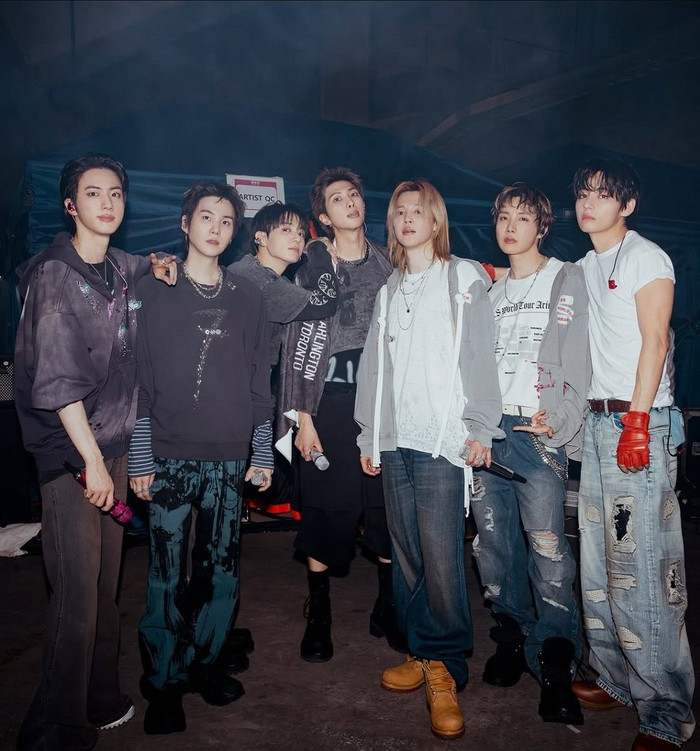
By 2019, BTS had firmly established themselves as a global powerhouse. “Boy With Luv,” featuring Halsey, marked a major milestone, debuting at No. 8 on the Billboard Hot 100 and shattering records across platforms. The group was fresh off multiple No. 1 albums, sold-out world tours, and a massive international fanbase known as ARMY. Their performances drew genuine, thunderous applause from packed audiences. Many fans and neutral observers find the accusation absurd, questioning why a group at the peak of its dominance would need “borrowed” reactions from a relatively niche act like Badkiz.
Badkiz, originally debuting in the mid-2010s, underwent several lineup changes and even rebranded temporarily as Hot Place around that period. While they cultivated a dedicated following with energetic tracks like “Hot Place,” they operated on a much smaller scale compared to BTS. The idea that Mnet would splice their audience into BTS’ footage has struck many as illogical, especially given BTS’ organic popularity. Detractors of the claim suggest it might stem from misinformation, selective clip comparison, or even anti-BTS sentiment that persists in certain online corners.
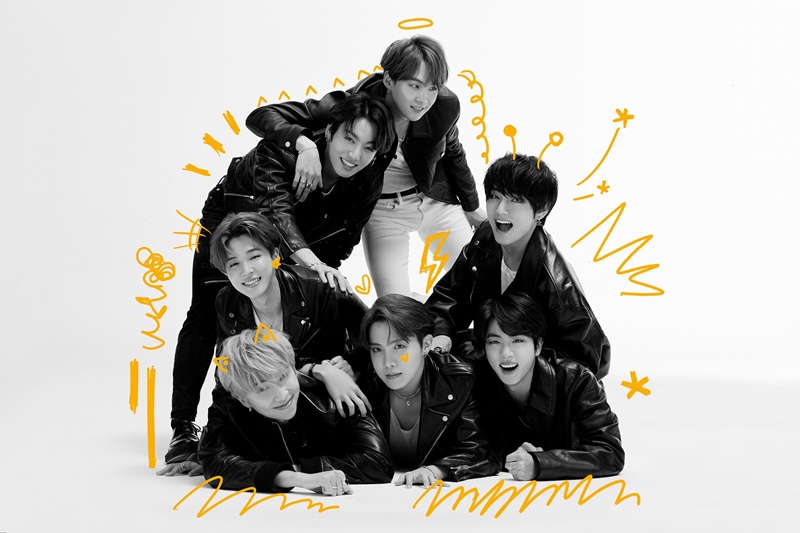
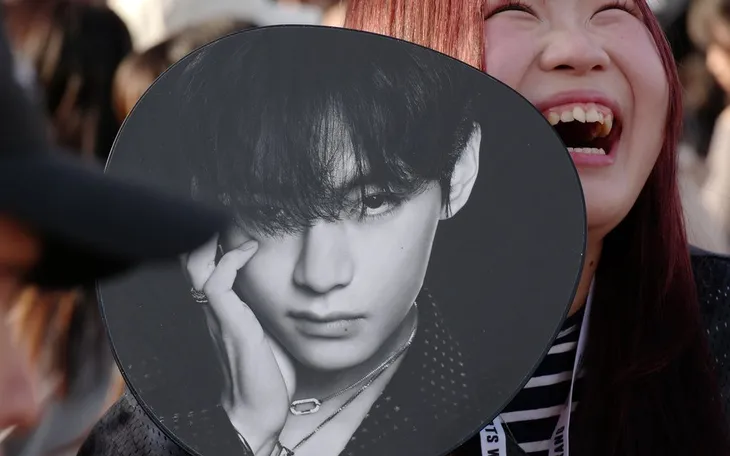
ARMY, BTS’ devoted fanbase, has mounted a robust defense. Many have dissected the viral video, pointing out potential differences in stage setups, audio mixing, and crowd demographics. They argue the claims lack concrete evidence beyond anecdotal testimony and edited side-by-sides that ignore context. Some ARMYs have shared full, unedited broadcasts or fan-cams from the event to counter the narrative, emphasizing that BTS’ performances consistently elicited real, high-energy responses. Accusations of “baseless speculation” have trended, with fans urging others to fact-check before spreading unverified content.
The divide in the K-pop community reflects broader tensions. Supporters of the accusation see it as evidence of industry favoritism toward “big” acts, claiming smaller groups are exploited for content while bigger ones benefit from enhanced presentations. Others view it through the lens of Mnet’s questionable reputation, citing past scandals involving rigged votes or dramatized storylines. Conversely, BTS defenders highlight the group’s achievements as self-evident proof that manufactured hype wasn’t required. Billboard domination, millions of album sales, and sold-out stadiums speak louder than any single edited clip, they say.
As of now, both Mnet and Big Hit Music (now HYBE) have remained completely silent on the matter. No official statements, clarifications, or denials have emerged. This silence has only amplified discussions, with some interpreting it as avoidance and others as indifference to fleeting online drama. In the fast-paced world of K-pop, where scandals can explode and fizzle within days, the lack of response might be strategic—allowing the story to run its course without adding fuel.
This incident underscores ongoing issues in music show production. Audience reaction shots are staples for building excitement, but in the age of high-definition fan-cams and social media scrutiny, any perceived inconsistency draws immediate attention. Mnet’s editing style, while common in variety and competition formats, clashes with demands for authenticity from global audiences accustomed to live-streamed, unfiltered content.
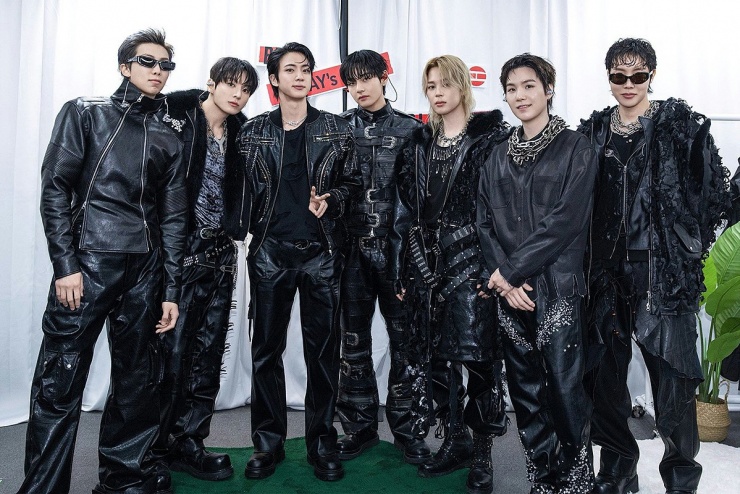
Ultimately, whether the claims hold water or represent a misunderstanding, the episode highlights K-pop’s hyper-connected ecosystem. A single TikTok can spark international discourse, forcing fans, agencies, and broadcasters to navigate transparency in real time. BTS continues to thrive years later, with legacies built on talent, hard work, and genuine connection rather than any alleged production tricks. For Badkiz and similar acts, the spotlight—however brief and controversial—might even bring renewed interest in their catalog.
The K-pop community awaits further developments, but one thing is clear: debates over authenticity versus entertainment will persist as the industry evolves. In a genre where visuals and presentation are paramount, distinguishing real emotion from crafted narrative remains a perpetual challenge.