In 2019, BTS delivered one of their most explosive stages with “Boy With Luv,” featuring Halsey. The performance pulsed with relentless clapping, thunderous cheers, and ecstatic audience faces that amplified its global impact. However, a recent TikTok video has thrust the broadcast into controversy, claiming Mnet secretly edited those fiery reactions from the audience of lesser-known girl group Badkiz during their “Hot Place” performance.
The viral clip, posted by a self-identified audience member, alleges she and others were filmed cheering wildly for Badkiz, not BTS. Mnet allegedly spliced these shots into the BTS footage to heighten the atmosphere. Side-by-side comparisons circulating online highlight matching facial expressions, lighting cues, and crowd angles, sparking accusations of deliberate manipulation. The post exploded across platforms, moving from TikTok to X, Instagram, and fan forums, dividing the K-pop community.
This incident taps into deeper skepticism about Mnet’s production practices. The network, a major player in music shows like M Countdown, has faced repeated criticism for selective editing, exaggerated drama, and audience manipulation to boost engagement. Supporters of the claim argue it fits a pattern where broadcasters enhance “big” acts’ presentations using footage from smaller performers. Badkiz, who rebranded temporarily around “Hot Place,” had a passionate but niche fanbase. Reusing their reactions for BTS raises questions about authenticity in edited broadcasts.
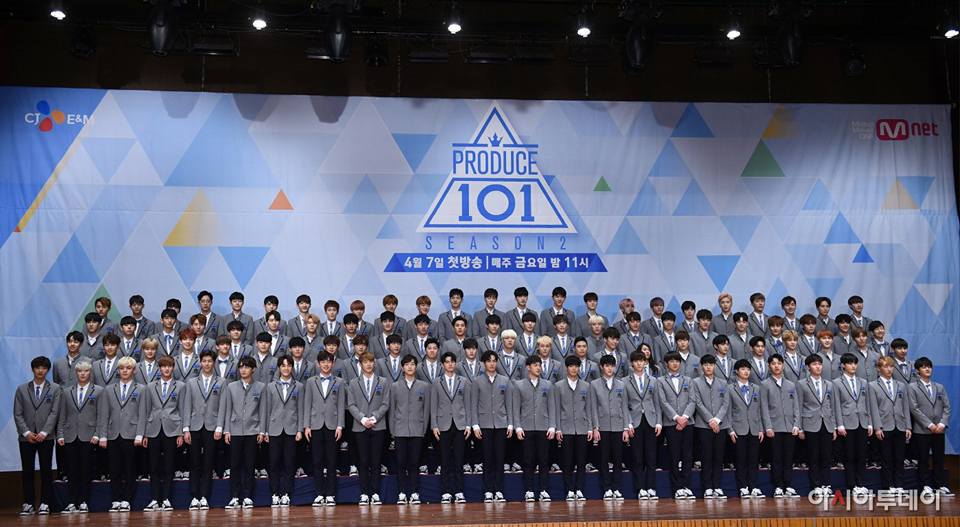
Sources and fan investigators point to this as potentially “the tip of the iceberg.” Mnet’s history with the Produce 101 series looms large. In 2019, suspicions arose during Produce X 101 when vote totals showed suspicious patterns. Investigations revealed producers Ahn Joon-young and Kim Yong-bum had manipulated rankings across all four seasons of Produce 101, as well as Idol School. Ahn admitted to altering results, leading to arrests in November 2019. The scandal involved bribery from agencies, obstruction of business, and fraud, resulting in prison sentences and hefty fines. It devastated groups like X1, which disbanded shortly after debut.
The Produce 101 fallout exposed systemic issues in Mnet’s programming. Fans lost trust in vote-based outcomes, and the revelations prompted legal reforms and public apologies from CJ ENM, Mnet’s parent company. Even years later, the network faces backlash for rehiring controversial figures or similar production tactics. Community sleuths now revisit old Mnet broadcasts, including music show episodes, hunting for more examples of recycled audio, spliced cheers, or staged reactions. Some claim clapping tracks and generic hype shots are industry standards, but others insist this crosses into deception when presented as live and organic.
BTS in 2019 needed no artificial boost. “Boy With Luv” debuted at No. 8 on the Billboard Hot 100, the group’s then-highest entry. They dominated charts, sold out arenas, and commanded genuine global hysteria. ARMY’s passionate support was well-documented through fan-cams, live streams, and social media. Many dismiss the editing claims as baseless or motivated by anti-BTS sentiment, arguing that minor reaction shots don’t diminish the group’s achievements. Defenders emphasize that music shows routinely use multi-angle editing and crowd cutaways for pacing—practices common across entertainment, not unique to Mnet.

Critics counter that even small manipulations erode credibility, especially for an act of BTS’ stature. Why “borrow” energy from Badkiz if the real audience response was already electric? This fuels narratives of industry favoritism, where top-tier groups receive polished highlights while smaller acts provide raw material. Badkiz fans express mixed feelings—some appreciate the indirect spotlight on their group, others resent their moment being repurposed without credit.
As fan communities dig deeper, old episodes surface with alleged inconsistencies: mismatched audio levels, repeated faces in different contexts, or overly perfect crowd energy. Mnet has not issued an official response, nor has HYBE (formerly Big Hit Music). This silence mirrors past controversies, where broadcasters allow online storms to dissipate rather than engage directly. In the absence of clarification, speculation thrives.

The broader implications touch K-pop’s evolution. As global audiences demand transparency—fueled by high-quality fan recordings and real-time sharing—traditional editing techniques face greater scrutiny. Music shows once shaped careers through curated narratives; today, they risk backlash for perceived inauthenticity. This case highlights tensions between entertainment production and fan expectations for honesty.
Whether proven or debunked, the controversy reignites conversations about Mnet’s legacy. From Produce 101 rigging to current editing accusations, trust remains fragile. BTS has long transcended single performances, building a legacy on talent, connection, and cultural impact that no edited clap can define or diminish. For Badkiz and similar acts, the viral moment offers fleeting visibility amid ongoing industry challenges.
K-pop fans remain polarized: some call for boycotts or reforms, others urge focusing on the music over production drama. In an era of viral accountability, broadcasters like Mnet must navigate heightened expectations. Authenticity may become the ultimate currency as the industry matures.