The intersection of idol culture and personal privacy has reached a boiling point for the boy group CORTIS, as their management company, BigHit Music, takes a definitive stand against extreme fan behavior. The group recently returned from a high-profile excursion to France, where they represented luxury fashion houses Dior and Saint Laurent during Paris Fashion Week. While the event was intended to be a celebration of the group’s global influence and aesthetic appeal, it was overshadowed by a series of chilling security breaches. Shortly after their return to South Korea on June 29, BigHit Music released an official statement that sent shockwaves through the industry and the fandom alike. The agency revealed that they were initiating aggressive legal proceedings against a group of “sasaeng” fans—obsessive followers who cross the line into criminal stalking—who had pursued the members throughout their stay in Paris.
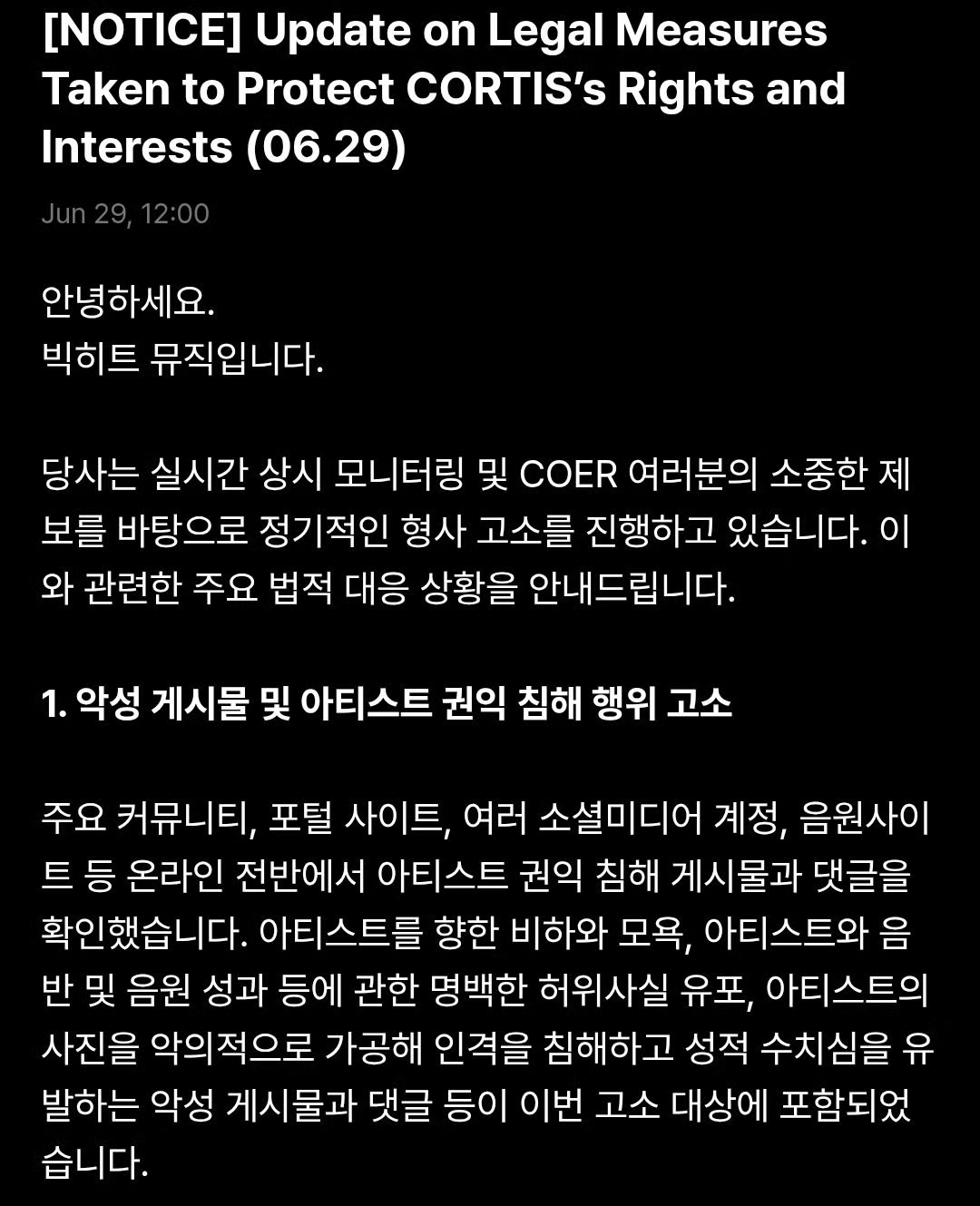
The details of the harassment provided by the agency were particularly alarming, illustrating a level of technological sophistication and invasive planning that goes far beyond typical fan enthusiasm. According to the official report, these individuals had managed to attach miniature GPS tracking devices to the vehicles used by CORTIS, allowing them to monitor the group’s movements in real-time across the city. Furthermore, these stalkers were found to have utilized local transportation to tail the members, and in several instances, attempted to break into or loiter around the group’s private accommodations and rest areas. The breach of privacy extended into their professional schedules as well; some individuals reportedly disguised themselves as staff members to gain unauthorized access to restricted areas. These bad actors allegedly took clandestine photographs in waiting rooms and on aircraft, where the artists should have been able to find sanctuary. BigHit Music also confirmed that they are actively investigating the illegal trade of the group’s flight information, a lucrative underground market that facilitates this type of stalking. The agency’s stance remains uncompromising: they intend to identify every individual involved, place them on a permanent blacklist, and pursue criminal charges to the fullest extent of the law to protect the dignity and safety of their artists.

However, the narrative took a sharp and suspicious turn just hours after BigHit Music’s stern warning was published. A social media storm erupted when an anonymous account on X (formerly Twitter) claimed to have been a passenger on the same flight as CORTIS during their journey back from France. The user alleged that the group was the direct cause of a significant departure delay, claiming that the aircraft doors remained open for forty minutes past the scheduled time. According to this witness, the captain was forced to personally apologize to the passengers in the business class cabin for the inconvenience. The post, which quickly gained traction on various South Korean online communities and “hot topic” boards, suggested that the group’s presence disrupted the travel plans of everyone on board, including another unnamed actor who was reportedly on the same flight. This accusation acted as a catalyst for a resurgence of past grievances, as critics dug up a similar controversy from the previous year. In that instance, it was claimed that the members had used the jet bridge—the telescopic tunnel connecting the gate to the airplane—as a makeshift dressing room, supposedly hindering the boarding process for other travelers.

The rapid escalation of these claims placed CORTIS in the middle of a public relations firestorm, but their dedicated fandom, known as COER, was quick to mount a sophisticated defense. Supporters of the group pointed out several logical inconsistencies in the accusations, primarily the lack of any concrete evidence. Despite the ubiquitous nature of smartphones, the original accuser failed to provide a single photograph or video snippet that could verify their presence on the flight or prove that the delay was attributable to the idols. Aviation enthusiasts within the fandom also weighed in, arguing that commercial airlines operate on incredibly strict schedules and that a pilot would rarely, if ever, hold a flight for forty minutes for a passenger unless they held an extremely high-tier VVIP status or if there were critical logistical issues unrelated to the passengers’ identity. The logistics of the “jet bridge” incident from the previous year were also scrutinized; fans noted that the video used as evidence actually featured cleaning crews in the background. This suggested that the footage was likely taken after all passengers had already disembarked, meaning the members were likely just adjusting their clothing or putting on jackets in an empty corridor to avoid the crowd at the terminal, rather than blocking an active boarding line.

A pattern of timing has led many observers to believe that these accusations are not coincidental but are instead part of a coordinated retaliatory campaign. It has been noted by several COERs that whenever BigHit Music announces a crackdown on sasaeng fans or updates their blacklist, a wave of negative rumors and “eyewitness” accounts detrimental to the group’s reputation tends to surface almost immediately. The theory among supporters is that these disgruntled stalkers, feeling cornered by legal threats and the loss of their access to the artists, resort to fabrication and character assassination as a form of revenge.
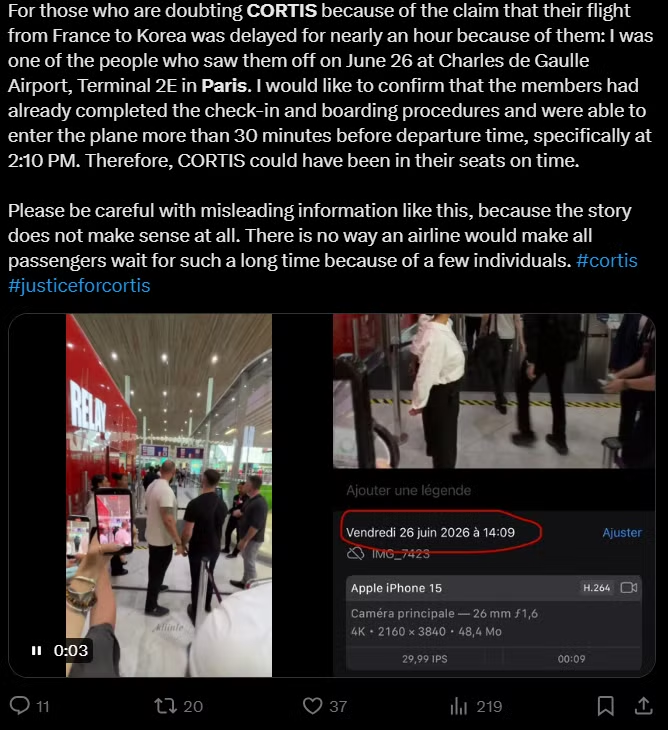
The suspicious nature of the recent flight delay allegation was further emphasized when the original poster deleted their entire social media account just hours after the post went viral. To many, this “hit-and-run” tactic is a hallmark of someone who has fabricated a story and fears the legal repercussions promised by the agency. By analyzing the cycle of these controversies, it becomes clear that CORTIS is caught in a complex battle between their right to a private life and the malicious intent of those who feel entitled to it. As the agency continues its legal battle, the focus remains on whether the industry can effectively shield its stars from the double-edged sword of high-tech stalking and digital misinformation.