Highly anticipated BTS performances in Chile are facing significant uncertainty after authorities withheld approval for the use of the country’s iconic National Stadium. For several weeks, Chile’s Ministry of Sports, through the National Sports Institute (IND), has been engaged in detailed discussions with event organizer DG Medios regarding the rental of the venue for shows scheduled on October 14, 16, and 17, 2026.
Despite strong fan demand that led to tickets selling out rapidly since they went on sale in April, the crucial agreement for the stadium rental remains incomplete. The proposed contract carries substantial financial weight, valued at nearly one billion Chilean pesos, equivalent to more than 28 billion Vietnamese dong, with proceeds directed to the national treasury. This situation has created mounting concern among ARMY, the global BTS fandom, as the concerts represent a major cultural event for the South American country.
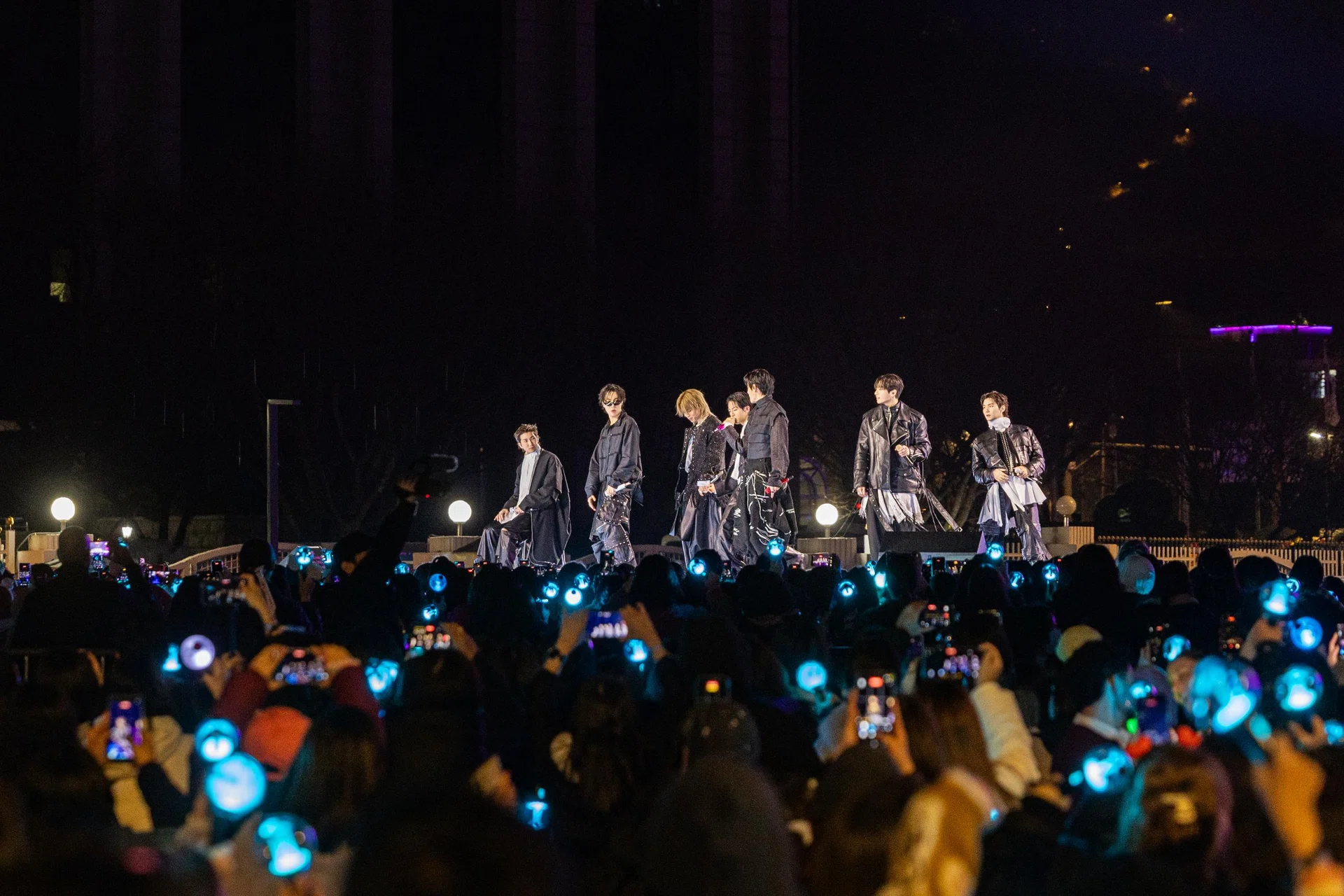
The core challenge stems from the unique production requirements of the BTS tour. The group plans to implement a large-scale 360-degree stage setup positioned directly in the center of the football pitch, complete with multiple pathways allowing members to move freely throughout the performance. According to organizers, the full process of installing this complex structure would require approximately nine days, raising serious questions about its compatibility with the stadium’s primary role as a sports facility.
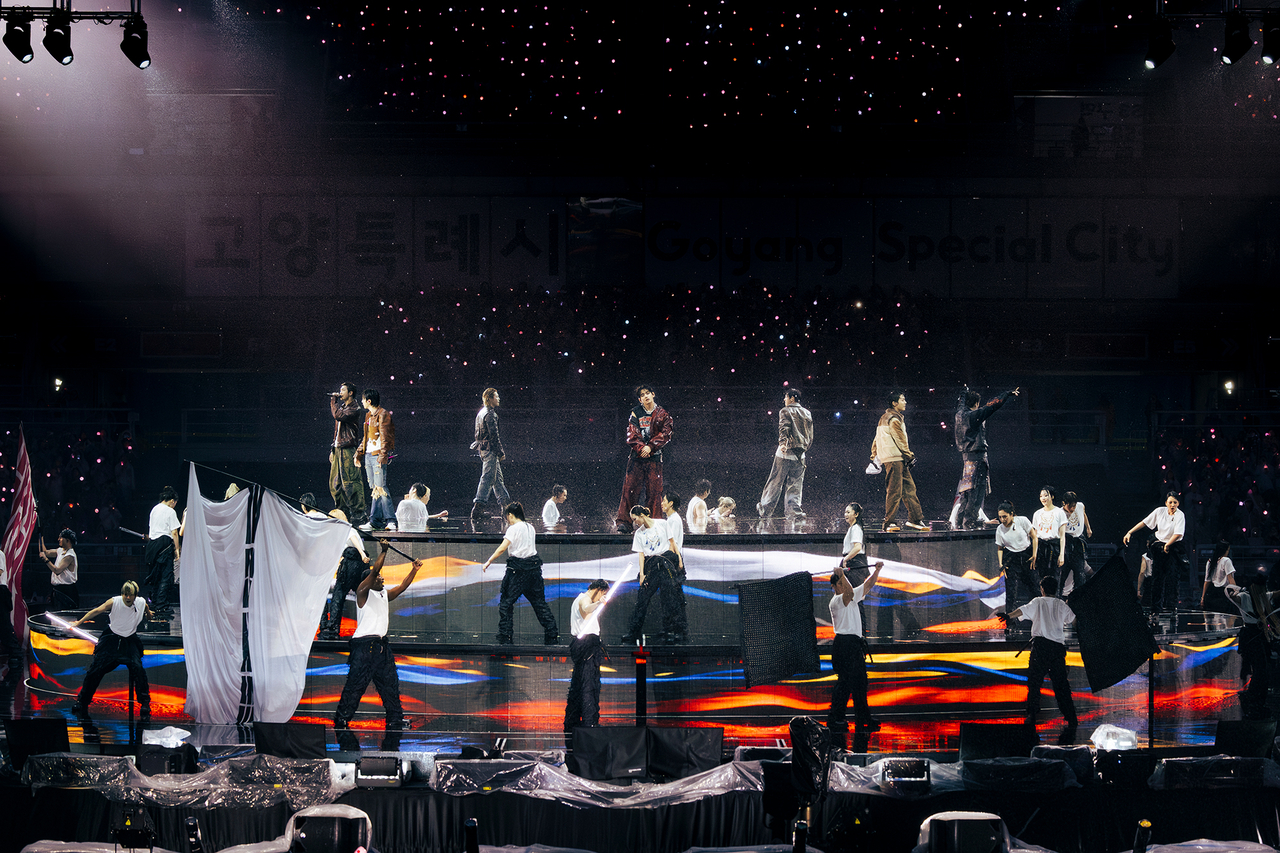
Chilean sports authorities have prioritized the long-term condition of the playing field above all else. The intensive setup, involving heavy equipment and extended coverage of the natural hybrid grass surface, poses a considerable risk of damage. Such disruption could have cascading effects on the busy calendar of subsequent sporting events at the venue. These include upcoming matches for the Chilean national football team, domestic league games featuring Universidad de Chile, and the important annual Teletón charity program.
Following thorough technical assessments, the IND has formally decided against granting permission for BTS to use the main Coliseo Central field for the proposed dates. Sports Minister Natalia Duco has emphasized that preserving the quality of the pitch remains the top priority. Reports indicate that organizers have not yet provided sufficient guarantees or solutions capable of fully mitigating potential harm to the grass during the extended installation and dismantling periods.
This decision highlights the difficult balancing act faced by multi-purpose venues like the National Stadium, which must accommodate both major international entertainment events and critical national sports commitments. The stadium’s grass, while currently in suitable condition for professional football and international competitions, has reduced recovery capacity when subjected to large-scale interventions that concentrate weight and cover the surface for prolonged durations.
The potential postponement or relocation of the concerts comes as a disappointment to fans who have waited eagerly and invested in tickets. BTS’s return to Chile with this tour leg carries immense excitement, building on the group’s history of memorable performances in the region. However, the technical specifications of modern K-pop productions, particularly innovative stage designs, increasingly clash with the operational needs of traditional sports infrastructure.

In response to inquiries from local media outlet The Clinic, the National Sports Institute issued a detailed official statement outlining the reasons behind its ruling. The IND and the National Stadium Park management explained that after comprehensive technical and operational evaluations, they could not approve the use of the main field for the BTS concerts in October 2026.
The statement stressed that the decision was based purely on technical criteria and the need to ensure continuous functionality of the stadium. Particular concerns were raised about the current state of the hybrid natural grass and the significant pressure a central 360-degree stage configuration would exert. Expert reports confirmed the pitch still meets standards for high-level football, yet its resilience to major disruptions has diminished, especially for activities requiring extensive central coverage and heavy loading.
Furthermore, the venue carries multiple pre-existing obligations, including the Chilean national team’s November fixtures, professional league matches, the 2026 Teletón fundraising event, and various high-performance sports, training, and community programs. Any delay in grass recovery could jeopardize these scheduled activities and compromise Chile’s international sporting standards and responsibilities.
Importantly, the IND clarified that this ruling does not reflect opposition to large-scale cultural or entertainment events. Such productions remain part of the stadium complex’s vision as a versatile public space that connects with citizens. In a spirit of cooperation, stadium management has proposed an alternative location within the complex—the Explanada Sur (Parque Sur), an open area outside the main field—for organizers to explore as a potential solution. This option would allow the concerts to proceed without compromising the central pitch or conflicting with established sports commitments.

The institute expressed its willingness to continue collaborating with the entertainment industry and international promoters to find balanced approaches. This includes safeguarding national sports assets while supporting major cultural events that bring economic and social benefits to Chile.
As discussions between DG Medios and authorities proceed, fans and industry observers await updates on whether a viable resolution can be reached in time. The situation underscores broader challenges in hosting global tours at historic multi-use venues, where the thrill of spectacular performances must be weighed against the practical needs of sports infrastructure and public services. For BTS supporters in Chile and across Latin America, the hope remains that creative solutions will allow these long-awaited shows to take place successfully while respecting the stadium’s essential sporting role.