South Korean authorities have uncovered evidence suggesting that a controversial audio recording involving actress Kim Sae Ron has been edited and manipulated. The file, which allegedly captured her discussing a relationship with actor Kim Soo Hyun during her middle school years, has come under intense scrutiny following forensic analysis. This development has raised serious questions about the authenticity of the claims and the motives behind their release.
According to an exclusive report by JTBC on June 26, the Supreme Prosecutors’ Office forensic science division examined the audio file submitted by Kim Se Eui, the operator of the controversial YouTube channel Garo Sero Institute. Their analysis revealed clear signs of editing and re-recording. Investigators observed irregularities in the audio signal along with noticeable differences in frequency patterns between the male and female voices present in the recording.

These forensic findings have led prosecutors to conclude that the audio may not represent an authentic, real-time conversation. Instead, they have suggested the possibility that a female voice was pre-recorded on a separate device, then played back and re-recorded to create the illusion of a natural dialogue. The report explicitly stated that it cannot be ruled out that the recording was artificially constructed in this manner.
Origins of the Controversy and Immediate Responses
The audio file first gained public attention in May when Kim Se Eui held a press conference claiming to possess a recording of Kim Sae Ron speaking with an acquaintance. The alleged conversation included statements suggesting that Kim Sae Ron had been romantically involved with Kim Soo Hyun since her middle school days. The claims sparked widespread online outrage and reignited debates surrounding the popular actor.
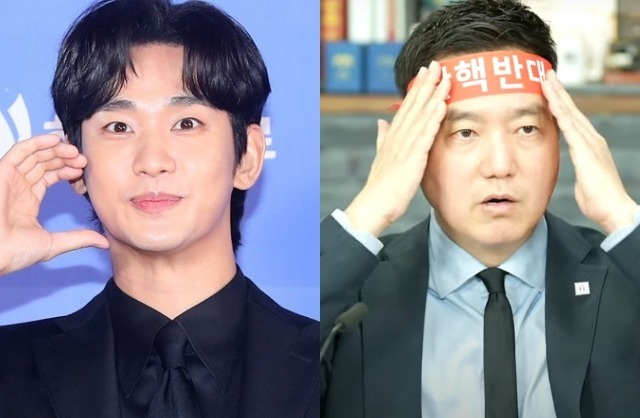
Kim Soo Hyun’s representatives swiftly denied the allegations, asserting that the audio appeared to be either AI-generated or heavily manipulated. Despite these denials, Kim Se Eui maintained that the recording was genuine and continued to promote his claims through his channel.
Beyond questions of authenticity, prosecutors are now investigating whether financial gains were derived from spreading such content. The Seoul Central District Prosecutors’ Office is reportedly examining donation flows connected to accounts linked to Kim Se Eui. This forms part of a larger probe into alleged “cyber-racketeering” activities, where individuals exploit online platforms to spread rumors for personal profit.
South Korea’s Minister of Justice has recently reinforced the government’s commitment to cracking down on online rumor-driven crimes. Authorities have pledged to take strong action against cases involving the financial exploitation of unverified or false information, signaling a tougher stance on digital misconduct.
Broader Legal Implications and Ongoing Cases
The audio manipulation controversy is not Kim Se Eui’s only legal challenge. He is currently facing trial for alleged stalking and intimidation directed at popular YouTuber Tzuyang. Reports indicate that he failed to appear at his first court hearing, leading the court to issue warnings about the possibility of an arrest warrant if he continues to avoid proceedings.
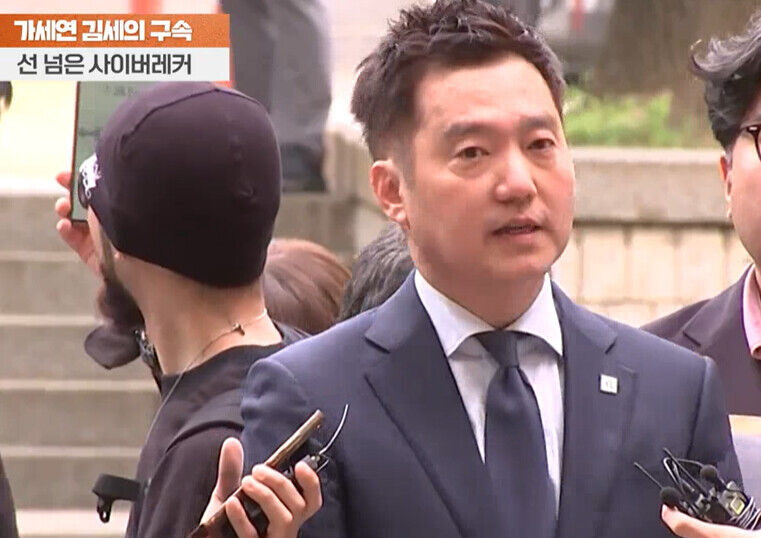
This combination of cases has drawn significant attention to the issue of online harassment and the spread of potentially fabricated content in South Korea’s entertainment industry. The forensic results regarding the Kim Sae Ron audio have undermined the credibility of the original claims and shifted focus toward accountability for those responsible for disseminating misleading material.
The incident highlights growing concerns about the ease with which manipulated media can be created and circulated in the digital age. As technology advances, distinguishing between authentic and fabricated content becomes increasingly difficult, making rigorous forensic analysis essential in high-profile cases.
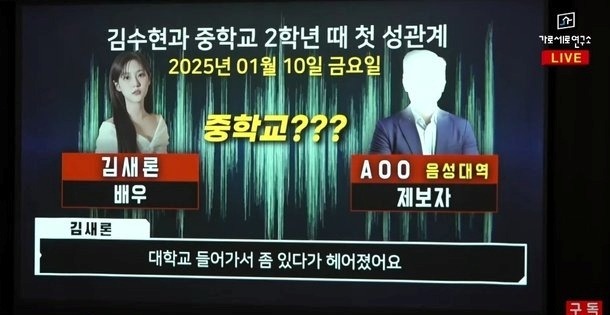
For Kim Soo Hyun and Kim Sae Ron, the controversy has brought unwanted scrutiny to their personal and professional lives. Both have faced significant public pressure amid the allegations, even as evidence now points toward manipulation of the disputed recording.
Prosecutors continue their investigation into the broader context surrounding the audio file, including potential financial motives. The outcome of these inquiries could have important implications for how similar cases are handled in the future, particularly regarding the responsibility of content creators who profit from sensational claims.
As the legal processes move forward, authorities appear determined to address not only the specific audio controversy but also the wider problem of cyber exploitation. This case serves as a notable example of the intersection between celebrity culture, digital media, and law enforcement in contemporary South Korea.
The public remains divided on the matter, with some expressing relief at the forensic findings while others continue to speculate. Regardless of individual opinions, the emphasis now lies on allowing the investigative and judicial systems to determine the full truth behind the manipulated recording and related activities.