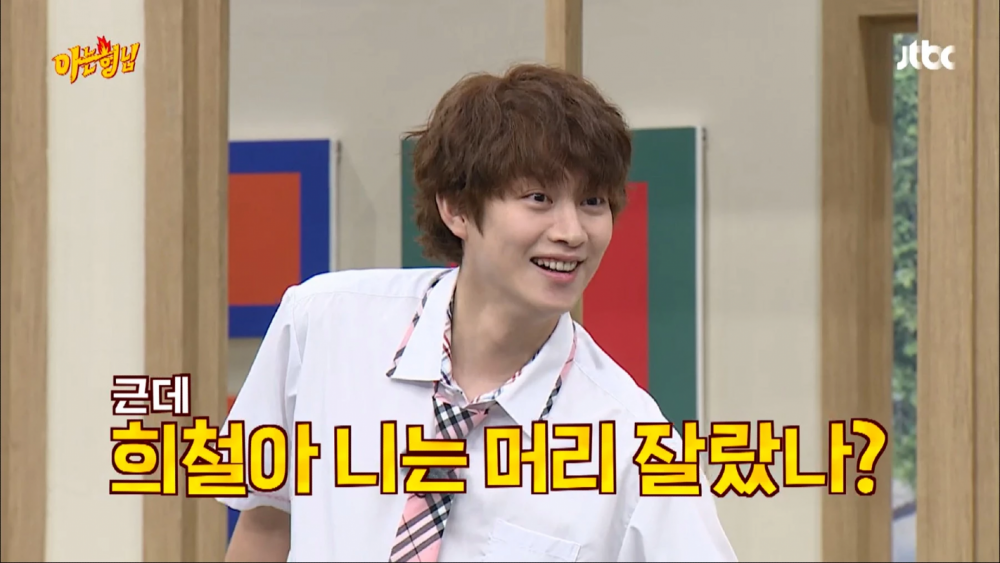
Kim Heechul of Super Junior recently offered a candid glimpse into the financial realities of long-term idol careers during an appearance on the YouTube program “Egennam Swings.” In the conversation he disclosed that the income he receives from his regular role on the JTBC variety series “Knowing Bros” has surpassed what he previously earned while actively promoting as a member of Super Junior. The admission surprised many viewers who assume that major K-pop acts automatically generate substantial personal wealth through music releases, concerts, and brand partnerships. Heechul clarified that although Super Junior as a group managed to secure a livable level of earnings, the specific economics of television and radio promotions frequently resulted in net losses once expenses were calculated.

He described the typical promotional cycle in measured terms. Appearances on music shows, radio programs, and related broadcast events often required significant outlays for travel, styling, rehearsals, and support staff. When those costs were subtracted from the appearance fees, the remaining balance could easily turn negative. Group activities therefore provided a basic standard of living, yet they did not always translate into the kind of individual financial security that outside observers might expect. By contrast, his sustained presence on “Knowing Bros” has delivered a more consistent and ultimately higher personal return. The variety show’s format, long-running popularity, and stable production model have allowed him to accumulate earnings that exceed those generated during intensive idol promotion periods.
The discussion also touched on lighter, more personal territory when the hosts teased Heechul about his everyday clothing. Commentators on the YouTube show pointed out that he frequently appears in simple character-print T-shirts that look inexpensive at first glance. Rather than taking offense, Heechul responded with characteristic humor. He insisted that the garments in question are actually limited-edition items, carefully selected rather than casually purchased. The exchange underscored his well-known preference for comfortable, expressive fashion over conventional luxury branding, while simultaneously allowing him to reframe the teasing as a misunderstanding of the shirts’ true collectible value.

These remarks arrive at a moment when public curiosity about the business side of entertainment continues to grow. Many fans and industry watchers have long speculated about the gap between the glamorous image of idol life and the practical accounting that underlies it. Heechul’s comments supply a rare first-hand illustration of that gap. By openly stating that a variety-show contract can out-earn traditional promotional work, he invites a more realistic assessment of how income is distributed across different sectors of the industry. Music releases and live performances remain central to an idol’s identity, yet the supporting ecosystem of television appearances can sometimes prove more lucrative on an individual basis once overhead is taken into account.

The financial contrast he drew also highlights the evolving career paths available to veteran performers. Super Junior debuted in the mid-2000s and has maintained a presence across multiple generations of K-pop. Members who continue to work after the intense early years of group promotion often diversify into acting, hosting, and variety. Heechul’s long tenure on “Knowing Bros” exemplifies this shift. The program has given him a platform that is both creatively engaging and financially reliable, allowing him to remain visible to audiences without the same cost structure that accompanied earlier promotional schedules. His willingness to discuss the numbers, even in approximate terms, adds transparency to a subject that is frequently shielded by agency contracts and industry norms.
At the same time, the fashion segment of the interview humanized the conversation. Idols are routinely scrutinized for every clothing choice, and inexpensive-looking outfits can quickly become the subject of online commentary. Heechul’s light-hearted defense of his limited-edition character tees served as a reminder that personal style need not conform to external expectations of constant high-end display. By treating the teasing as an opportunity for humor rather than defensiveness, he reinforced the approachable public persona he has cultivated over many years. The combination of financial candor and self-deprecating fashion talk produced a balanced portrait: a seasoned entertainer who understands both the economic pressures of the industry and the value of remaining unpretentious in daily life.
Taken together, the remarks on “Egennam Swings” offer more than isolated anecdotes. They sketch a broader picture of sustainability in a demanding profession. Group promotions can sustain a collective livelihood while still leaving individual members with limited margins after expenses. Long-running television work, by contrast, can generate steadier personal income. Everyday clothing choices that appear modest may in fact reflect deliberate collecting rather than carelessness. Heechul’s ability to address both topics with equal directness and humor underscores the perspective that comes with longevity in the spotlight. For audiences accustomed to polished promotional narratives, his comments provide a refreshing counterpoint grounded in practical experience rather than idealized imagery.