During recent stops on BTS’s European tour, Jung Kook delivered a brief yet striking moment that quickly spread across international social media. In the middle of performing “Body to Body” at concerts in Germany and Paris, the singer unexpectedly incorporated a few lines from the Korean folk song Arirang. The short passage lasted only moments, yet the power of his voice, the careful phrasing, and the emotion he conveyed turned the clip into a rapid online phenomenon. Fans and casual listeners alike shared the footage, praising the clarity and control in his delivery. Many non-K-pop listeners left comments expressing surprise at the beauty of the melody and curiosity about the song’s origin, prompting widespread searches for Arirang in the days that followed.
The reaction was overwhelmingly positive. Viewers repeatedly noted that Jung Kook handled the traditional material with natural ease, avoiding excess ornamentation that might have made it sound overly dramatic or commercial. Comments highlighted how the simple, honest quality of his singing preserved the folk character while still feeling contemporary. Some listeners said the brief performance made them feel a sudden sense of national pride, while others simply replayed the clip multiple times because of its vocal quality. A recurring theme in the online discussion was admiration for Jung Kook’s versatility: the same artist known for high-energy pop and intricate choreography could also make a centuries-old folk tune sound fresh and sincere. Several fans openly hoped he would one day present a complete version of Arirang, arguing that such a performance would introduce the song to an even wider global audience in the most organic way possible.
This spontaneous moment succeeded in part because it felt unforced. Jung Kook did not pause the concert to announce a cultural statement; he simply wove a few familiar lines into an existing song. The result was a natural bridge between modern stage performance and traditional Korean heritage, and the online response showed how effectively that bridge can work when delivered by an artist with both technical skill and genuine presence.
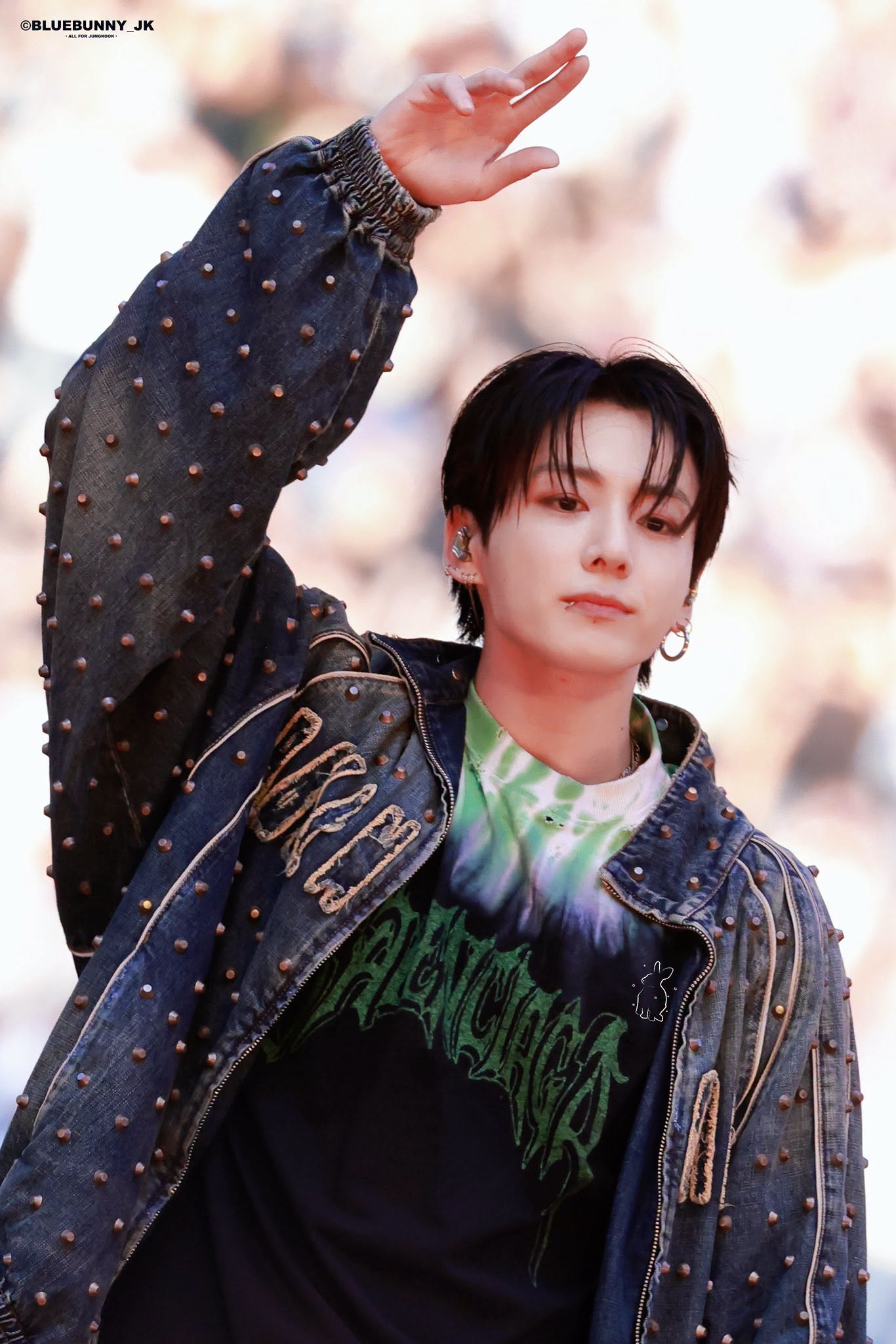
Technical Command and Musical Range Behind the Viral Clip
Jung Kook’s ability to make even a short folk passage resonate stems from strengths that have been visible since the earliest days of BTS. As the group’s main vocalist, he has long been recognized for stable live singing, precise breath control, and the capacity to maintain vocal quality while executing demanding choreography. These fundamentals allow him to shift fluidly between musical styles without losing authenticity. Whether performing upbeat pop, smooth R&B, hip-hop-inflected tracks, rock-edged numbers, or traditional material, he adapts his tone and phrasing to suit the material. In the Arirang excerpt, that adaptability meant the folk melody retained its plain, heartfelt character while still fitting comfortably inside a contemporary concert set.

His stage presence has been tested on some of the largest platforms available. In 2022 he became the first Korean solo artist to perform at a FIFA World Cup opening ceremony, delivering “Dreamers” to a global audience. The track later topped the Billboard Digital Song Sales chart, marking a significant commercial milestone for a K-pop performer on the world’s biggest sporting stage. Four years later, Jung Kook returned with BTS for the 2026 World Cup final halftime show, becoming the only artist to appear in consecutive World Cup performances of that scale. These appearances reinforced his reputation as a reliable and compelling live performer capable of holding stadium-sized crowds.
Parallel to his work with BTS, Jung Kook’s solo career has set records of its own. His 2023 debut single “Seven” and the album GOLDEN established him as a major pop force independent of the group. “Seven” reached number one on the Billboard Hot 100 and accumulated more than three billion streams on Spotify, cementing his status as a global pop star rather than simply a member of a successful group. More recently, the decision by Jung Kook and BTS to decline Grammy nominations for 2027 generated widespread discussion about recognition of Asian artists by major Western award bodies. Throughout these milestones, one consistent thread has been his willingness to treat different musical traditions with equal seriousness, whether commercial pop or folk song.

Cultural Reach Beyond Commercial Success
The Arirang moment illustrates a broader pattern in Jung Kook’s career: the ability to draw international attention toward Korean cultural elements without heavy-handed messaging. A few lines sung in the middle of a high-energy concert set prompted listeners who had never encountered the song to seek it out, discuss its history, and express appreciation for its emotional directness. That kind of organic interest is difficult to manufacture and often more lasting than formal promotional campaigns. Fans repeatedly observed that the performance worked because Jung Kook approached the traditional material with the same care he applies to contemporary songs, allowing the melody’s inherent dignity to come through.

His influence rests on more than fan numbers. Technical reliability, stylistic flexibility, and a consistent onstage demeanor have made him a credible messenger for both modern Korean pop and older cultural forms. When he sings a folk song, listeners trust that the delivery is intentional rather than opportunistic. The online conversation that followed the European clips reflected this trust: people praised not only the vocal quality but also the respectful balance he struck between tradition and personal style. Many expressed pride that a global artist could make Arirang sound both familiar to Koreans and accessible to outsiders.
In the larger context of his career, the brief Arirang passage fits a pattern of quietly expanding the range of what a K-pop performer can represent. From World Cup stages to solo chart dominance to spontaneous traditional singing, Jung Kook has repeatedly shown that commercial success and cultural curiosity can coexist. The speed with which the short clip spread, and the sincerity of the responses it generated, suggest that audiences respond most strongly when skill and sincerity meet without calculation. A few unscripted lines were enough to remind listeners of the depth still present in Korean folk music and of the artist’s capacity to carry that depth onto the largest contemporary stages.