The visual landscape of K-pop, often characterized by its relentless pursuit of the avant-garde and the meticulously curated “cool,” recently faced a sharp critique from one of South Korea’s most respected visual architects. Park Si-young, a titan in the world of cinematic poster design, has sparked a firestorm of debate across social media platforms following his visceral reaction to the creative direction of NewJeans’ fourth-anniversary commemorative content. Known for his discerning eye and uncompromising aesthetic standards, Park did not mince words when expressing his profound disappointment with the “2026 Summer of NewJeans” project. Through his personal social media channels, he characterized the new visual output as painfully antiquated, suggesting that instead of pushing the envelope, the production felt like a regression to a bygone era of Korean broadcasting. Specifically, he likened the atmosphere to “Gayo Top Ten,” a staple music program from the 80s and 90s, implying that the group’s once-pioneering image had been traded for a dated, lackluster nostalgia that fails to resonate with the modern zeitgeist.

This critique carries significant weight because NewJeans, since their inception, has been synonymous with a “new-tro” aesthetic—a sophisticated blend of vintage sensibilities and futuristic minimalism. By labeling their latest anniversary content as “outdated,” Park is suggesting a fundamental breakdown in the group’s visual storytelling. His dissatisfaction extended beyond mere lighting or wardrobe choices; he aimed at the very soul of the production’s execution. Park utilized a striking cultural metaphor to describe the current state of the group’s presentation, comparing the absence of a full five-member lineup to the title Attack on Titan being stripped of the word “Attack.” This poignant analogy highlights the perceived vacuum left by the ongoing uncertainty surrounding member Minji’s return. To Park, the four-member visual arrangement felt incomplete and lacked the kinetic energy that defined the group’s initial rise to global stardom. He lamented that the current output felt like the work of individuals who, lacking genuine creative spark, were merely coasting on the group’s established brand equity to push out mediocre content.
The intensity of Park’s rhetoric suggests a deeper frustration with the structural shifts occurring behind the scenes at ADOR and its parent company. His commentary touched upon a sensitive nerve within the industry: the balance between corporate investment and artistic integrity. Park pointedly remarked that the core of the issue lies in a leadership that possesses a “low aesthetic IQ” but an “inflated ego,” suggesting that massive financial backing cannot compensate for a lack of vision. While he refrained from naming specific executives, industry insiders and fans alike interpreted his remarks as a direct broadside against the current management at HYBE Corporation. The timing of these comments is particularly sensitive, as they arrive amidst a tumultuous period of legal friction regarding exclusive contracts and the internal restructuring of ADOR. For a visual artist of Park’s caliber to publicly decry the production quality of a flagship group like NewJeans indicates a significant rift between the creative community and the corporate entities currently steering the group’s trajectory.
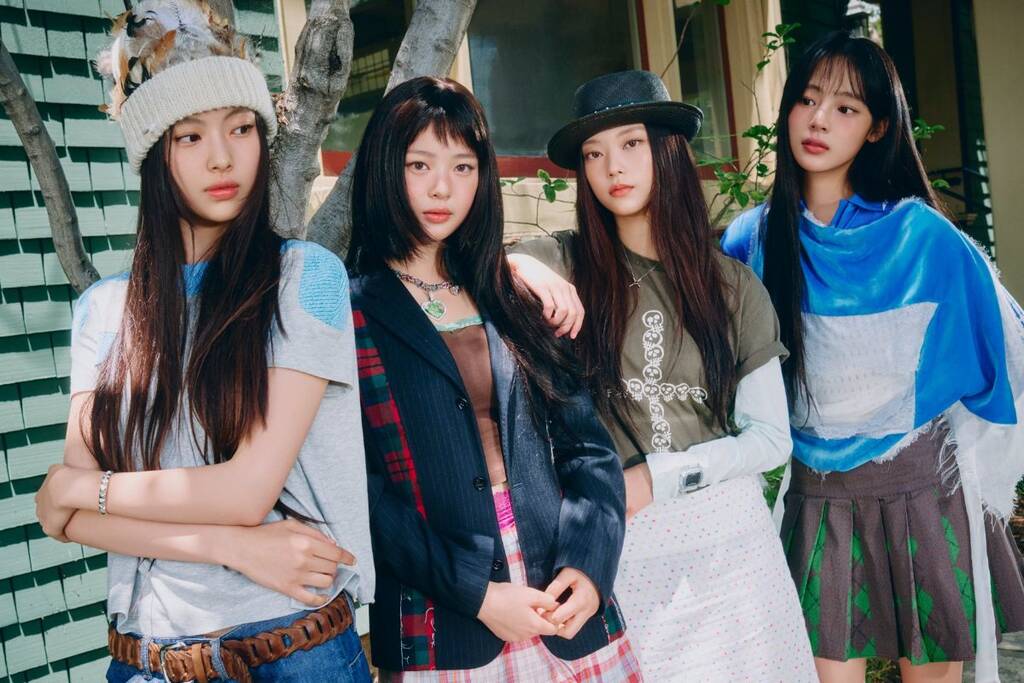
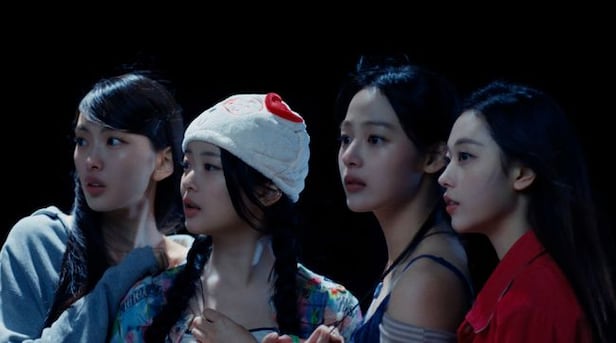
The release of the “2026 Summer of NewJeans” content was intended to be a celebratory milestone, a moment of connection between the idols and their global fanbase. The package included a nostalgic video alongside individual and group concept photos featuring Hani, Haerin, and Hyein—who have solidified their path forward with ADOR—as well as Minji, whose future activities remain the subject of intense deliberation. However, the shadow of administrative uncertainty loomed large over the promotional materials. ADOR has maintained a cautious stance, stating that definitive plans for the group’s future operations and the full-member lineup will only be unveiled once internal discussions are finalized. This ambiguity has created a vacuum of information, which Park Si-young has filled with his scathing assessment. His critique reflects a broader anxiety among fans and professionals: the fear that the “magic” of NewJeans, which was built on a very specific and high-level creative synergy, is being diluted by corporate infighting and a lack of aesthetic direction.

Park’s vocal stance on NewJeans is not a new development, but rather a continuation of his role as an unofficial guardian of the group’s original ethos. In late 2024, when the members expressed their desire to terminate their contracts due to a collapse of trust with their agency, Park was one of the few high-profile figures to offer public support. He famously criticized the “middle-aged men” in corporate leadership for condescending to the young artists, suggesting that the industry often confuses “professional social life” with a form of “modern-day servitude.” This history of advocacy makes his current criticism of the group’s anniversary content all the more nuanced. It is clear that Park’s loyalty lies with the members themselves rather than the corporate structure surrounding them. His latest outburst is not an attack on the girls, but a defense of the artistic excellence he believes they deserve. He views the “outdated” production not just as a creative failure, but as a disservice to the talent and potential of the performers.
To understand why Park Si-young’s opinion has caused such a stir, one must look at his formidable legacy in the Korean film industry. He is not merely a commentator; he is a master of the visual medium. Park is the creative force behind some of the most iconic posters in South Korean cinema history, having worked on masterpieces such as The King and the Clown, Bong Joon-ho’s Mother, the historical epic The Face Reader, and the haunting supernatural thriller The Wailing. In an industry where a film’s poster is the primary visual bridge to the audience, Park’s work is celebrated for its ability to distill complex narratives into a single, hauntingly beautiful image. His designs are praised for bridging the gap between commercial appeal and high art. Beyond his professional achievements, Park is also a prominent figure in cultural discourse, known for his openness about his personal life—including his long-term relationship with his same-sex partner—and his willingness to speak out on social justice issues.
Ultimately, the controversy surrounding Park Si-young’s critique of NewJeans serves as a barometer for the current state of the K-pop industry. It highlights the tension between the “idol factory” model of production and the demand for genuine, high-quality artistic vision. As NewJeans continues to release anniversary content to engage with their “Bunnies” (the group’s fanbase), the industry remains on high alert. The question of whether the group will return to its former glory as five, or if the “outdated” aesthetic noted by Park is a sign of a permanent shift, remains unanswered. Fans and critics are now looking toward ADOR’s upcoming official announcements with increased scrutiny. In the fast-paced world of pop culture, where visual identity is as important as the music itself, the words of a master designer like Park Si-young serve as both a warning and a call to action: that without a clear and sophisticated creative compass, even the brightest stars can lose their luster in the face of corporate mediocrity.