Media personality Megyn Kelly did not hold back in her assessment of the 2026 FIFA World Cup halftime show, describing the overall presentation as terrible. The event, which marked the first official halftime entertainment during the final match between Spain and Argentina, aimed to captivate a massive global audience. It featured an array of high-profile artists including Madonna, BTS, and Justin Bieber. However, Kelly, known for her straightforward commentary, joined a chorus of detractors who felt the performances fell short of expectations for such a prestigious sporting occasion. On her show, she broke down the acts one by one, highlighting issues with execution, song selection, and energy levels that failed to match the excitement of the World Cup final.
Kelly expressed particular skepticism about Madonna’s contribution. The pop icon opened the segment with her 2000 track “Music,” a song that holds personal significance for Kelly as it reminds her of her first marriage from over two decades ago. Despite this nostalgic connection, the host found the delivery underwhelming. She pointed out that Madonna appeared to be lip-syncing, raising doubts about whether the veteran performer could still deliver live vocals effectively. Additionally, Kelly criticized the choreography as weak and unengaging, noting that the movements resembled squatting and writhing motions that have become characteristic of Madonna’s recent stage presence. At 55 years old herself, Kelly suggested these elements did not elevate the show to the level expected for millions of international viewers tuned in for the historic final.
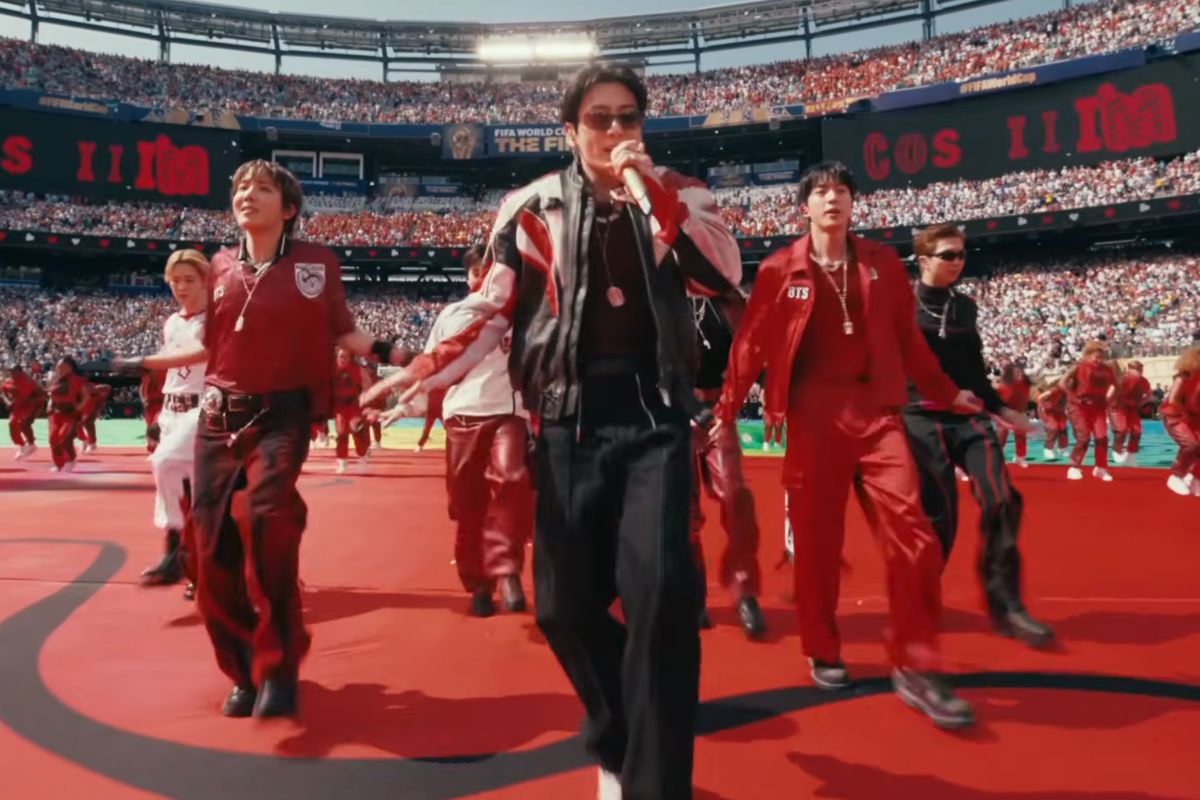
The commentary then shifted to the performance by BTS. Kelly recognized the group’s massive global popularity and the devoted following they command among fans. She acknowledged their cultural impact and the enthusiasm surrounding their appearance. Nevertheless, she felt their set lacked vitality and came across as uninspired. The lip-syncing and dance routines, in her view, seemed more like a group of college students attempting to emulate the K-pop sensations rather than a polished, high-stakes professional show. This assessment reflected a broader sense that the energy expected from such prominent names did not translate effectively to the grand stage of the World Cup.
Evaluating Individual Acts and Song Choices
Justin Bieber’s segment drew further disapproval from Kelly for its mismatch with the event’s celebratory atmosphere. He performed an acoustic version of “Everything Hallelujah,” which she described as a lovely song with strong appeal for Christian audiences. However, she argued that its ballad style was ill-suited for the World Cup final. The slow, somber tone brought the momentum down at a moment when the show needed to maintain high energy and excitement following the intense match. Kelly suggested that a more upbeat or anthemic track would have better served the occasion, keeping the global audience engaged rather than shifting the mood toward something more reflective and subdued.
These critiques formed part of Kelly’s larger observation that the halftime show struggled to deliver a cohesive and thrilling experience. The combination of lip-syncing across several acts, questionable choreography, and inappropriate song selections contributed to an impression of missed opportunities. For an event watched by millions worldwide, the expectation was for dynamic performances that could unite viewers in celebration of the sport. Instead, Kelly portrayed the show as one that failed to live up to its potential, with individual contributions that did not complement each other or the high-octane environment of the final.
Her comments resonated with some viewers who shared similar sentiments online, sparking discussions about the challenges of staging major entertainment during major sporting events. The pressure to appeal to diverse international audiences while maintaining artistic integrity often leads to such mixed results. Kelly’s blunt style brought attention to these shortcomings without hesitation, framing them as evident to anyone watching closely.

Shakira’s Standout Contribution and Overall Reflections
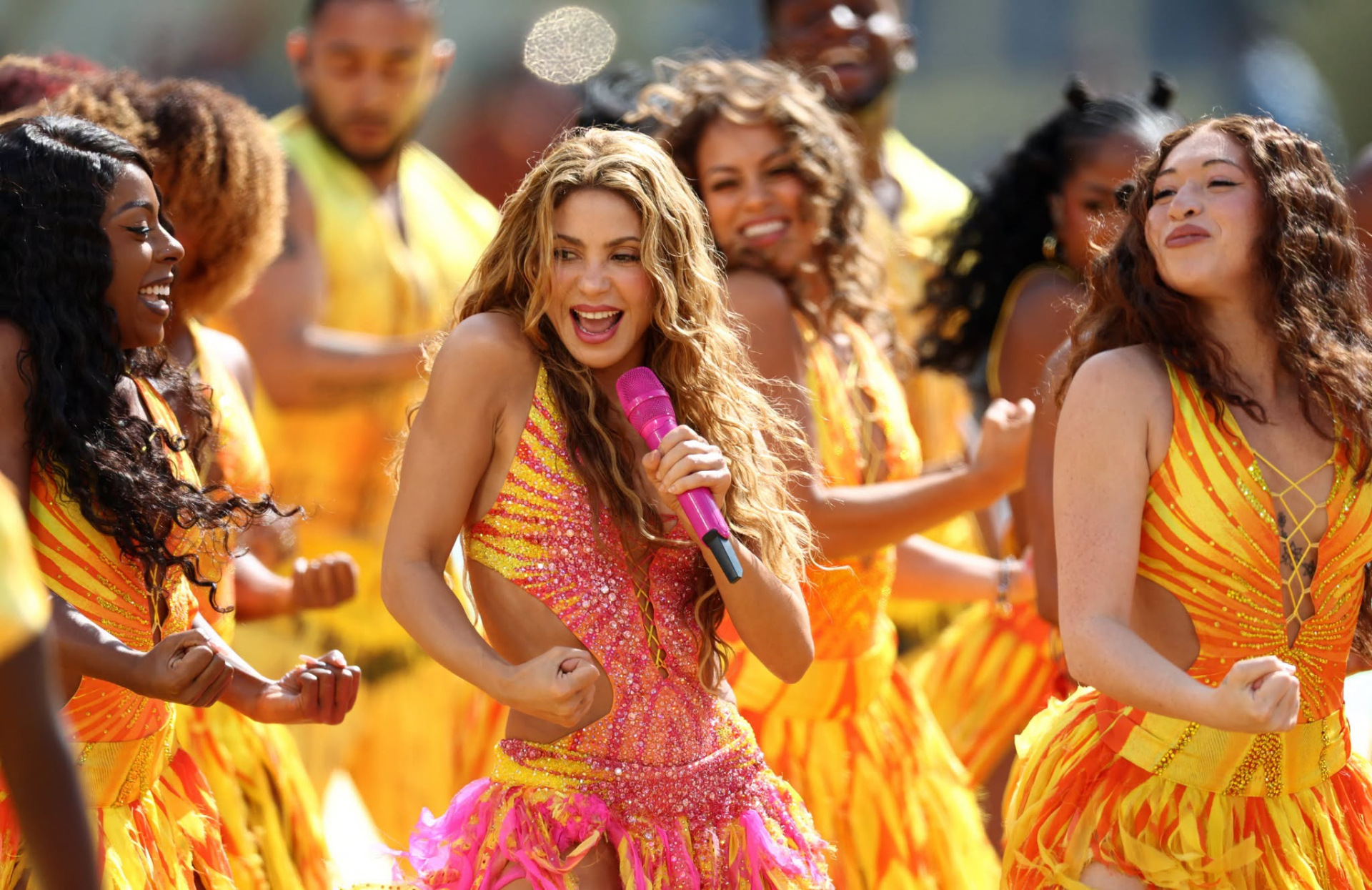
Amid the criticisms, Kelly singled out Shakira for delivering a strong performance that helped redeem the halftime show. The Colombian star brought the right energy and song selection, executing her set with impressive vitality. Kelly particularly praised how Shakira moved with the agility and enthusiasm of someone much younger, expressing genuine surprise that the artist is 49 years old. Her dynamic stage presence and fitting musical choices stood in contrast to the other acts, providing the vibrant spirit the event required. Kelly suggested that Shakira’s segment captured the essence of what the halftime show should have been, injecting excitement and professionalism that elevated the entire production.
This positive note did not overshadow Kelly’s overall negative verdict on the show. She maintained that the collective performances left much to be desired, especially given the historic nature of the first official World Cup final halftime entertainment. The blend of established legends and popular contemporary acts had promised a memorable spectacle but ultimately disappointed in execution. Kelly’s analysis highlighted recurring issues such as reliance on lip-syncing and mismatched pacing that diminished the impact for audiences at home and in the stadium.
The discussion on The Megyn Kelly Show reflected broader conversations about entertainment standards at global sporting events. Organizers seek to create unifying moments that transcend the game itself, yet balancing artistic vision with audience expectations proves complex. Kelly’s perspective, coming from a journalist known for candid opinions, added to the public discourse surrounding the 2026 World Cup final. While some defended the performers’ efforts under pressure, others echoed her view that the show could have been significantly stronger.
In the end, the halftime performances generated significant buzz, even if much of it centered on areas for improvement. Kelly’s breakdown served as a reminder that high-profile stages demand excellence in every element, from vocal delivery to thematic appropriateness. As the World Cup continues to evolve as a cultural phenomenon, future events may take such feedback into account to better align entertainment with the electric atmosphere of the matches. For now, her commentary stands as a notable critique that captured the mixed reactions from viewers around the world.