The Netflix original series The East Palace made its debut on July 17, drawing significant public interest with its ambitious blend of historical settings and supernatural intrigue. Starring Nam Joo Hyuk in the lead role, the drama quickly climbed to the top spot on Netflix Korea’s Top 10 television chart shortly after release. This achievement reflects the strong curiosity surrounding its unique concept, which merges Korean mystical traditions with a grand-scale fantasy narrative. Viewers have shown divided opinions regarding the storytelling pace and directorial choices, yet the production’s bold vision has managed to capture widespread attention in a competitive streaming landscape. At the center of much discussion is the performance of the female lead, Roh Yoon Seo, whose portrayal has sparked considerable debate among audiences.
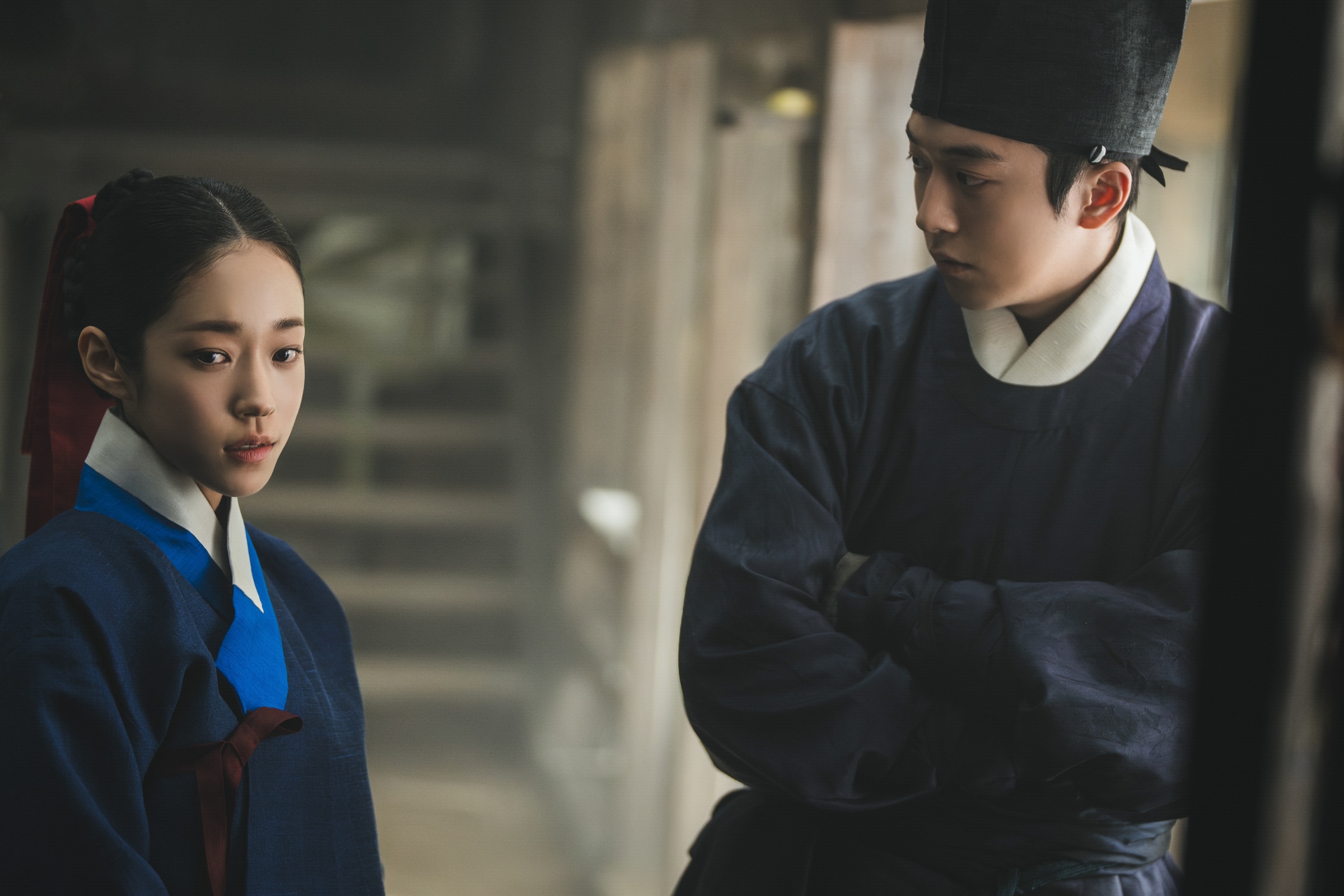
The story follows Gucheon, played by Nam Joo Hyuk, a mysterious man capable of moving between the human realm and the spirit world. Alongside him is Saenggang, portrayed by Roh Yoon Seo, a palace court lady concealing a profound secret. The king, brought to life by Cho Seung Woo, summons the pair to unravel a mysterious curse plaguing the East Palace. This setup creates a compelling premise filled with supernatural elements, royal intrigue, and hidden identities that unfold against an elaborately designed historical backdrop. The series stands out for its ambitious world-building, incorporating distinctive Korean fantasy motifs that differentiate it from conventional period dramas. Despite some critiques about narrative execution, its rapid rise in popularity demonstrates the appeal of fresh concepts in the genre and the drawing power of its cast.
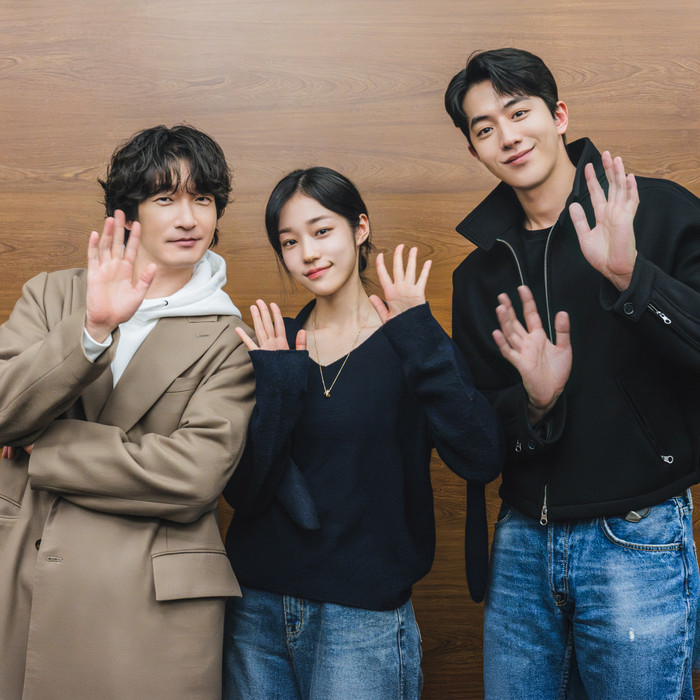
Roh Yoon Seo’s role as Saenggang places her in a pivotal position within the ensemble. Her character serves as a royal inspector and court attendant gifted with the rare ability to hear the voices of spirits, making her essential to the investigation of the palace’s dark secrets. As this marks her first major leading role in a historical television series, expectations were naturally high. While many viewers have commended her graceful and elegant screen presence, which aligns beautifully with the refined aesthetics of the palace environment, others have expressed reservations about her acting delivery. Discussions frequently highlight areas where her performance could benefit from greater refinement to fully meet the demands of the intricate storyline and emotional depth required.
Critics and audience members have pointed out that Roh Yoon Seo’s line delivery and rhythmic timing sometimes carry a contemporary feel that clashes with the traditional historical tone. In a genre where authenticity in speech patterns and mannerisms is crucial for immersion, some found her approach reminiscent of modern dramas, which occasionally disrupted the intended atmosphere of the royal court. Additionally, observations about her facial expressions noted a certain repetition across various scenes. Even during intense emotional sequences involving supernatural encounters or personal revelations, the range of her reactions appeared somewhat limited to certain viewers, potentially diminishing the overall tension and dramatic impact of key moments. These points have fueled lively online conversations, with some fans defending her efforts while others called for more nuanced development in future projects.

Nevertheless, Roh Yoon Seo brings notable strengths to the character of Saenggang, particularly in visual and stylistic aspects. Her fresh, poised appearance suits the role of a sharp-witted and determined woman navigating palace life while guarding a hidden royal identity as a disguised princess. This elegance enhances the character’s secretive and intelligent nature, allowing her presence to convey dignity and subtlety even in quieter scenes. The actress successfully captures a sense of refined grace that complements the lavish production design, contributing to the visual allure of the series. Supporters emphasize how her natural charm helps make Saenggang a relatable and compelling figure amid the complex web of mysteries and otherworldly events.
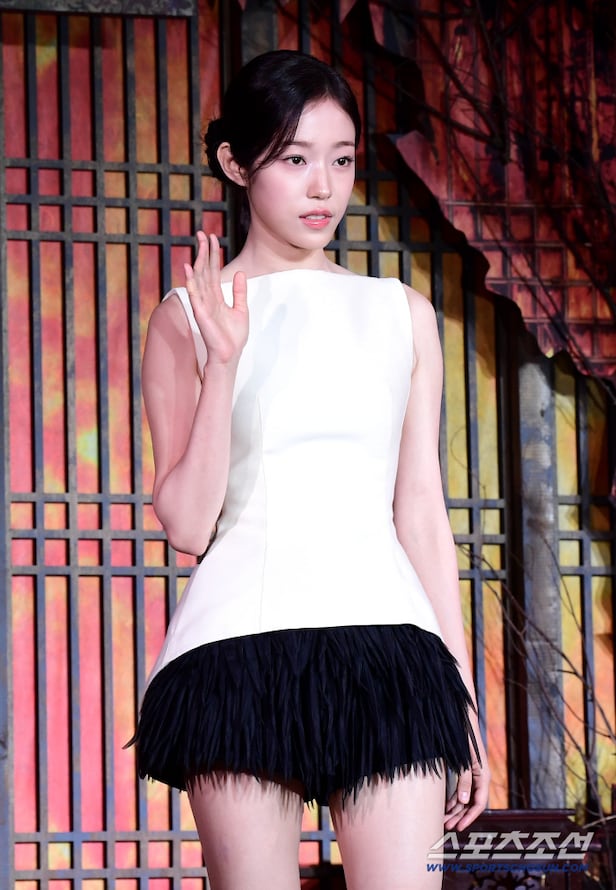
Director Choi Jung Kyu has spoken highly of Roh Yoon Seo’s contributions during promotional events. He specifically praised her ability to infuse the production with an air of sophistication, remarking that her character essentially embodies the elegance defining the entire show. On set, he often highlighted how her portrayal added a distinctive polish to the fantasy elements. This endorsement from the director underscores the intentional vision behind the casting and performance, suggesting that her subtle screen charisma was a deliberate choice to enhance the story’s atmospheric qualities. Many who appreciate her work agree that she effectively translates this vision into a tangible on-screen quality that elevates certain sequences.
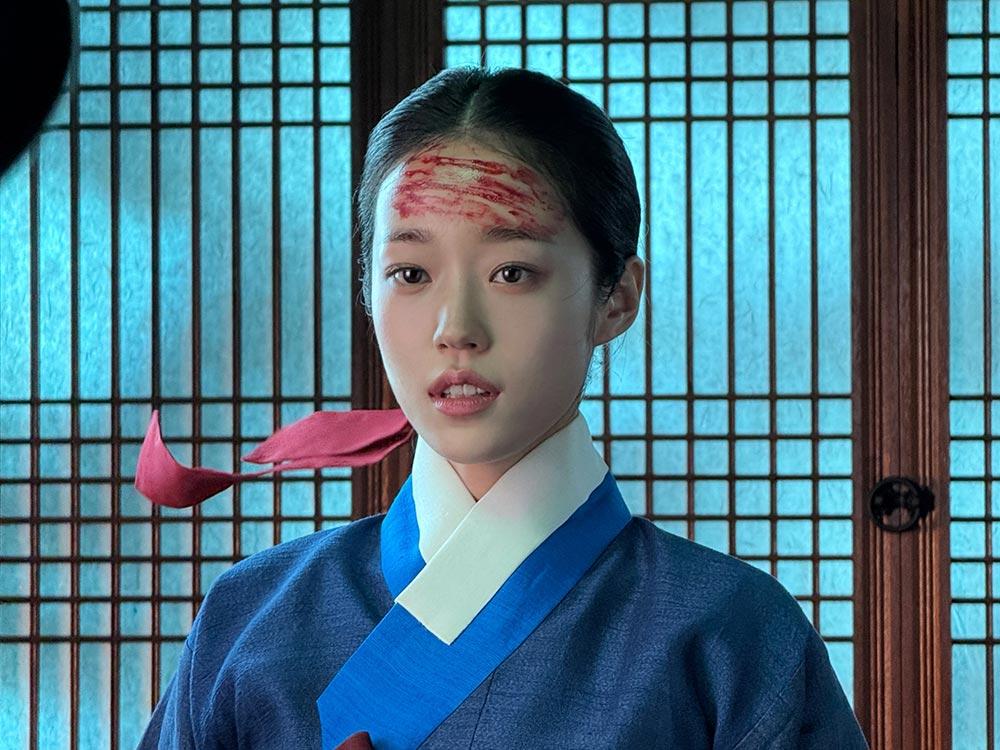
The mixed feedback surrounding Roh Yoon Seo’s acting highlights the challenges inherent in tackling a demanding historical fantasy lead. While her visual fit for the part receives consistent praise, the critiques focus on opportunities for growth in vocal modulation, emotional layering, and period-appropriate expressiveness. These conversations reveal the high standards audiences hold for performances in this genre, where balancing spectacle with authentic character depth is essential. At the same time, her debut in such a prominent role demonstrates courage and potential, especially given the positive elements that have resonated with portions of the viewership. As the series continues to garner attention, it provides a platform for the actress to showcase her range and adapt based on audience insights.
Overall, The East Palace represents a noteworthy addition to Netflix’s lineup of Korean content, combining star power with an inventive supernatural premise. The strong initial rankings affirm its success in engaging the public, even amid ongoing debates about various creative aspects. Roh Yoon Seo’s central performance remains a key talking point, illustrating both the strengths of her elegant embodiment of Saenggang and the areas identified for potential enhancement. This balance of acclaim and constructive criticism reflects the passionate engagement of drama enthusiasts, who continue to follow the series closely. As discussions evolve, the production stands as an example of bold storytelling that sparks meaningful dialogue about acting craft and genre expectations in contemporary Korean entertainment. (