The legal case involving a Japanese woman accused of forcibly kissing BTS member Jin has captured widespread public interest in South Korea and beyond. As the court proceedings approach, new developments have emerged, adding further layers to an incident that has sparked intense discussions about fan boundaries, celebrity safety, and consent in the entertainment industry. The defendant, identified as a woman in her fifties holding Japanese nationality (referred to as A), has taken proactive legal steps by submitting an objection regarding the trial schedule through her lawyer. This action comes ahead of the upcoming hearings, signaling her intent to challenge certain aspects of the judicial process while preserving her legal rights.
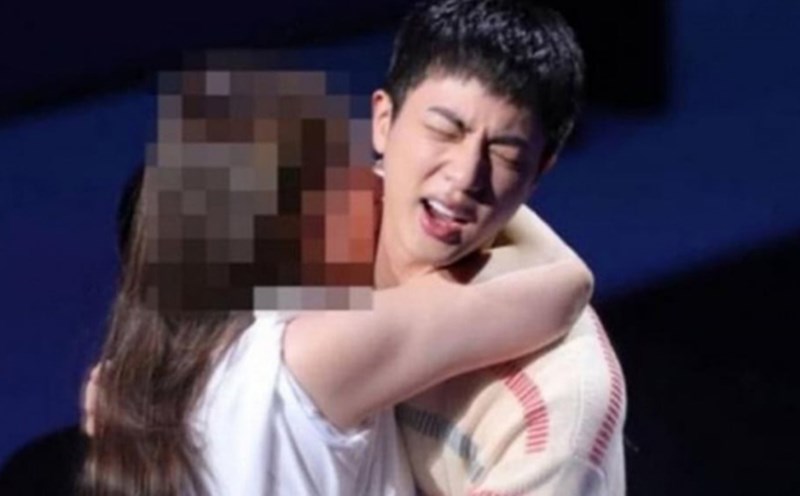
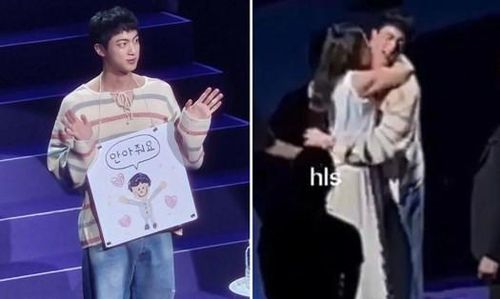
The prosecution’s case stems from an event in June 2024, shortly after Jin completed his mandatory military service. During a special fan-meeting at Jamsil Indoor Gymnasium in Seoul, which included a hug interaction segment, the woman allegedly approached Jin without warning, embraced him, and kissed his face against his will. Following the gathering, she posted on social media about the encounter, describing in detail how her lips touched his neck area and commenting on the sensation of his skin. These posts quickly drew criticism and prompted fans to file petitions with authorities, urging an investigation into what they viewed as inappropriate public conduct. The developments have kept the story in the spotlight, highlighting ongoing concerns about protecting artists from unsolicited physical advances during public appearances.
In the lead-up to the trial, scheduled for two sessions next month at the Eastern Seoul District Court, the woman’s legal team has formally contested the proposed timeline and issued a notice to safeguard her interests. This move underscores the complexity of the case, which has already navigated several procedural hurdles. Originally investigated by Songpa Police Station, the matter faced delays because the suspect resided overseas, leading to a temporary suspension of the case in March 2025. The situation evolved when she voluntarily entered South Korea and presented herself to investigators. After thorough questioning, authorities determined there was sufficient evidence of non-consensual physical contact, forwarding the file to prosecutors. In November 2025, the Eastern Seoul District Prosecutors’ Office charged her without detention for alleged forced molestation.
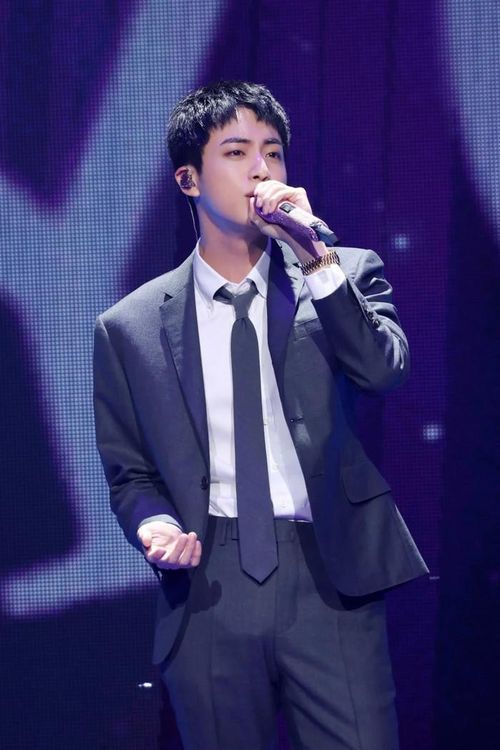
This high-profile matter has ignited broader conversations about the fine line between enthusiastic fandom and personal boundaries. Many observers argue that while admiration for celebrities is understandable, any form of physical contact must respect the individual’s consent. The case is expected to set a precedent for similar incidents in the Korean entertainment world, where idols frequently interact closely with fans through events like fan signs, hugs, and meet-and-greets. Supporters of Jin and BTS have expressed strong views on the need for stricter safeguards at such gatherings to prevent discomfort or harm to performers.
The incident occurred during a celebratory fan event marking Jin’s return to civilian life and promotional activities. What began as a joyful occasion for attendees turned controversial due to the unexpected actions of one participant. Eyewitness accounts and the woman’s own social media updates played a key role in building the case. Fans who witnessed the moment reacted promptly, documenting and reporting the behavior they considered crossing acceptable limits. Police initially summoned the woman for questioning, but logistical challenges arose due to her international residence, complicating timely resolution.
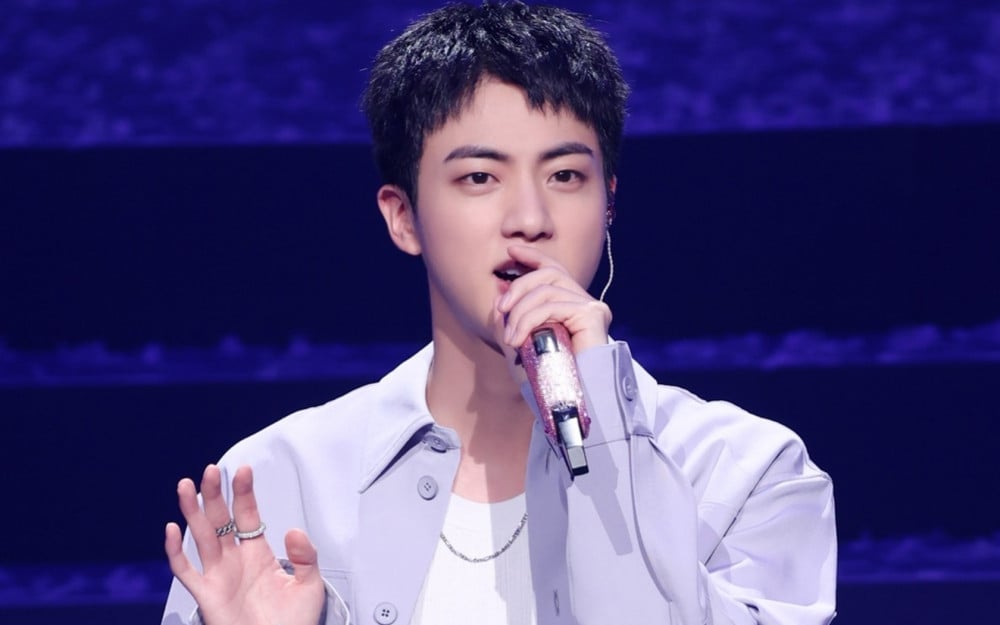
Upon her return to South Korea, cooperation with authorities allowed the investigation to advance. During interrogations, the defendant reportedly maintained that her gesture was merely an affectionate expression toward a beloved artist, without any harmful intent. Prosecutors, however, focused on the lack of consent from Jin and the subsequent public statements that appeared to celebrate the non-consensual contact. This perspective emphasizes that subjective feelings of affection do not override the recipient’s right to control personal boundaries. The decision to pursue charges reflects a growing institutional awareness of the need to address such behaviors seriously, especially in public settings involving high-profile figures.
Public reaction has been significant, with many netizens and commentators weighing in on the responsibilities of both fans and organizers. Discussions frequently highlight how rapid social media sharing can amplify incidents while also serving as evidence in legal matters. The case raises important questions about event security, fan management, and the psychological pressures on idols who must balance accessibility with personal safety. As the trial nears, anticipation builds around its potential influence on future policies for artist-fan interactions across the industry.
The upcoming court sessions will likely delve into detailed evidence, witness statements, and legal arguments from both sides. For the entertainment sector, the outcome could encourage more robust protocols, such as enhanced supervision during interactive segments or clearer guidelines on acceptable conduct. Jin, known for his warm and engaging personality, has historically enjoyed strong connections with fans, making this violation particularly noteworthy. The broader BTS community continues to follow updates closely, viewing the matter as emblematic of challenges faced by global stars in managing intense public adoration.
In many ways, this situation reflects evolving societal standards regarding consent and respect in the digital age, where fan enthusiasm can sometimes blur into overstepping. Legal experts suggest the proceedings may clarify how courts interpret “forced molestation” in contexts involving celebrities and spontaneous actions. Regardless of the final verdict, the case has already prompted reflection among organizers and participants about maintaining safe, enjoyable environments for everyone involved. It serves as a reminder that behind the glamour of K-pop events lie real individuals deserving of dignity and protection.
As preparations for the trial continue, the woman’s objection to the schedule indicates a determined defense strategy. This development ensures the process will be thorough, allowing both prosecution and defense adequate time to present their positions. The story remains a focal point in Korean media, illustrating the intersection of celebrity culture, legal accountability, and public ethics. Fans worldwide hope for a resolution that reinforces positive boundaries while acknowledging the unique dynamics of idol-fan relationships in modern entertainment.