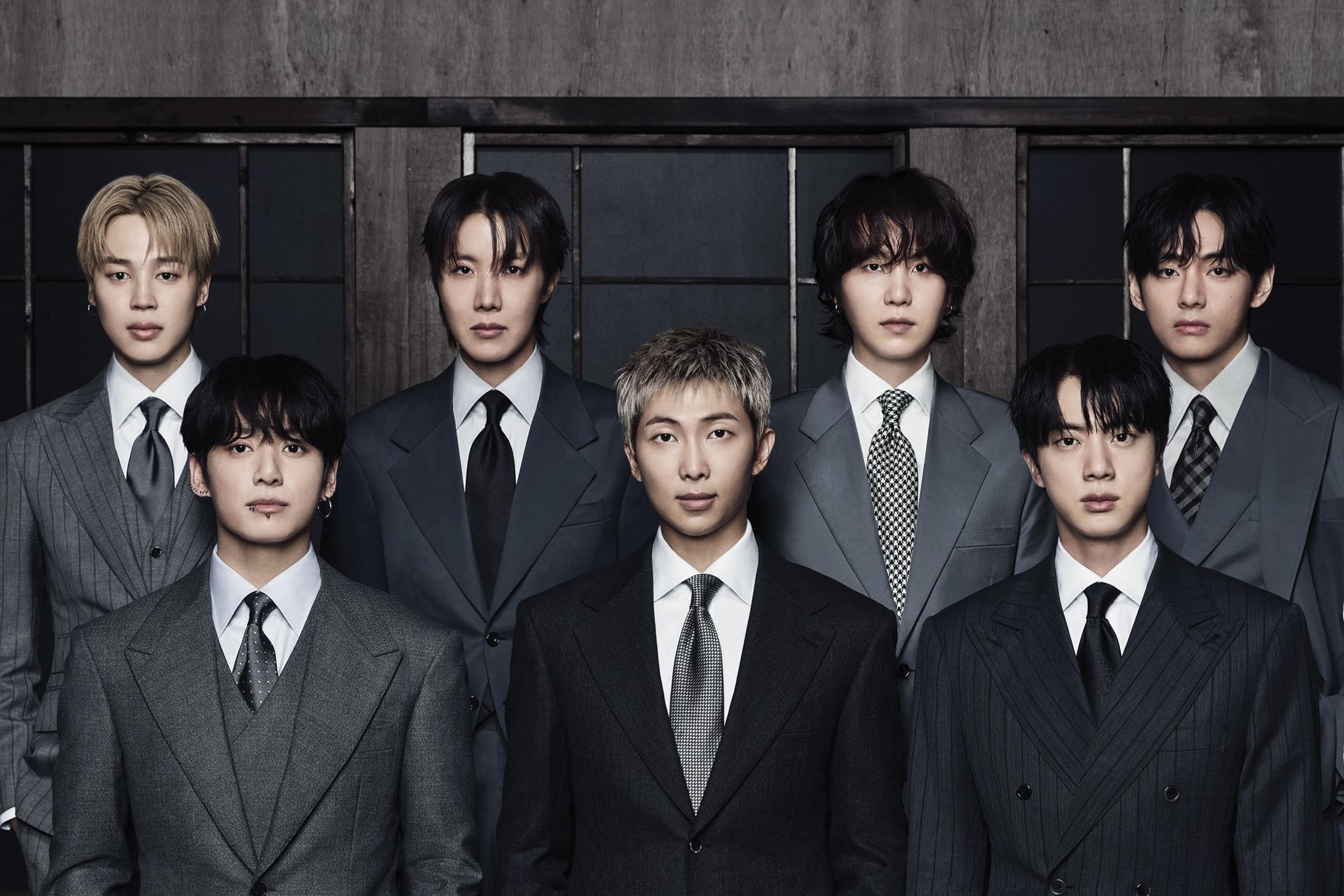
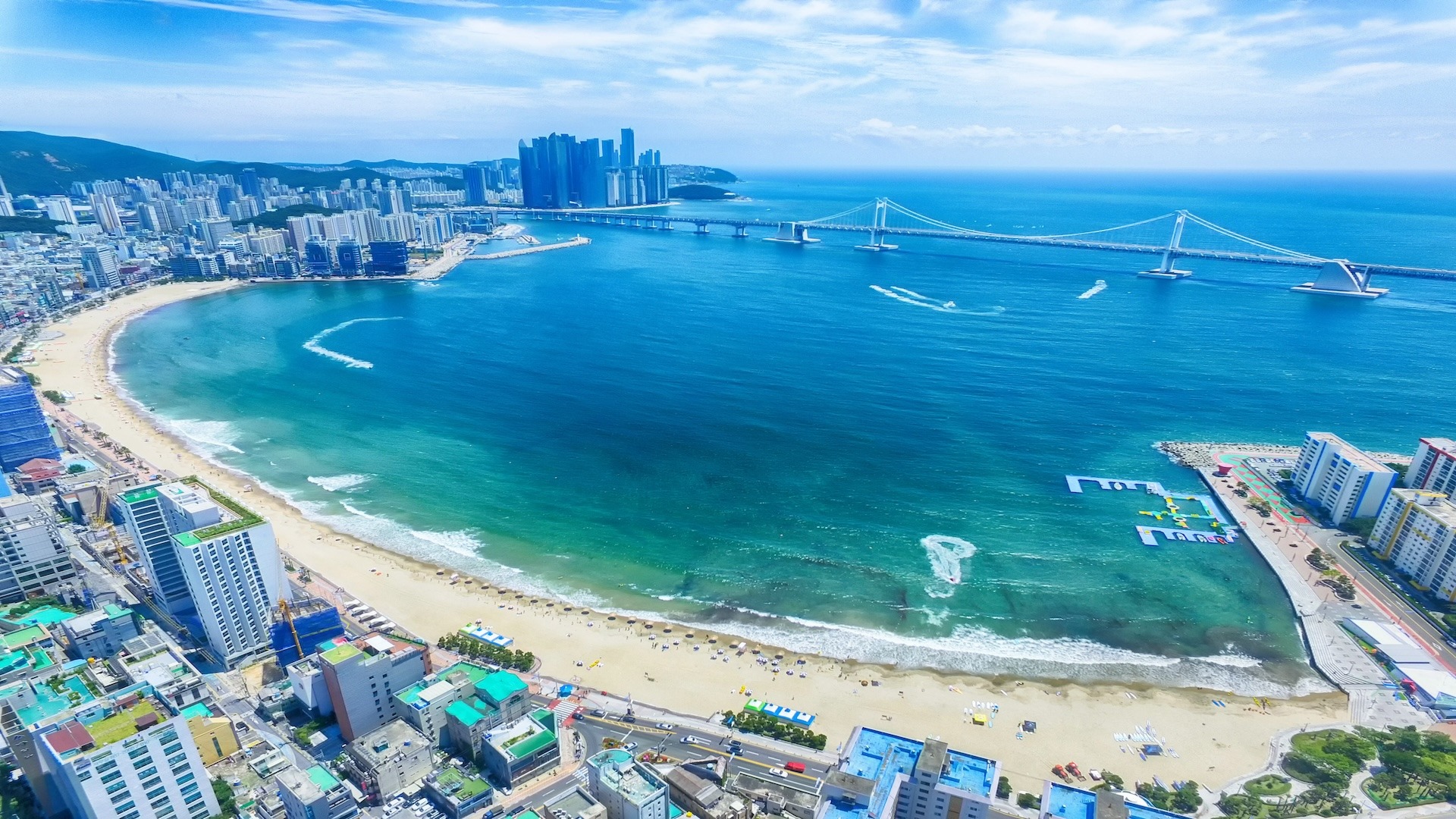
The city of Busan is officially under siege, and there is only one group to blame: BTS. After a grueling four-year wait – a period defined by the silence of mandatory military service and the uncertainty of a global hiatus – the “Kings of K-pop” are back, but their return has brought with it a tidal wave of logistical mayhem that has left South Korea’s southeastern port city gasping for air. As the “Arirang” World Tour prepares to descend upon the Busan Asiad Main Stadium this June, the city is facing a crisis of its own making: it is physically, geographically, and residentially full.
For any other artist, a sold-out stadium is a success. For BTS, it is a localized catastrophe for the tourism industry. The sheer magnitude of the “ARMY” invasion has decimated local hotel stocks, sending prices into the stratosphere and leaving thousands of international travelers with nowhere to lay their heads. In a move of pure desperation, the Busan municipal government has been forced to intervene, launching an emergency lodging scheme that turns everything from youth hostels to sacred Buddhist temples into makeshift fan colonies. But even these “last resort” measures are failing to keep up with the insatiable demand triggered by Jin, Jimin, V, Suga, Jungkook, J-Hope, and RM.
The “99.56%” Nightmare: When a City Hits Its Breaking Point
The numbers released this week by Busan city officials are nothing short of haunting. According to the latest data from the municipal government, the booking rates for public-run accommodations have reached a near-impossible 99.56% for the nights of June 12 and 13. To put that in perspective: if you are a foreign fan who hasn’t already secured a bed, you are statistically more likely to win the lottery than to find a government-subsidized room in Busan.
This housing “blackout” didn’t happen by accident. It is the direct result of the “Arirang” tour’s explosive momentum. Ever since the group kicked off their comeback in Goyang last month, the world has been in a fever pitch. When tickets for the Busan shows went on sale, they didn’t just sell out; they vanished in a blur of presale clicks, leaving a trail of broken hearts and a massive influx of international flight bookings.
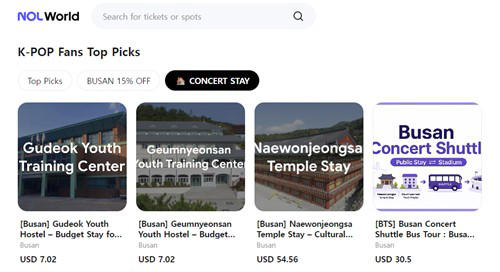
Busan, usually a city that prides itself on its hospitality, has been caught completely off guard by the sheer loyalty of the global fanbase. The city’s reaction has been one of frantic damage control. Realizing that the private sector was already at capacity and charging exorbitant “BTS-inflated” rates, the government opened 400 slots across public-run facilities, including the Naewonjeong Temple and two major youth centers. They hoped this would act as a safety net. Instead, the net snapped instantly.
The Sacred vs. The Superstars: Temples as Refugee Camps?
The most startling detail of this lodging crisis is the transformation of Naewonjeong Temple. In a move that sounds like a plot from a movie, the city has negotiated with Buddhist monks to open their doors to international pop fans. It is a clash of two worlds: the silent, meditative halls of a sacred sanctuary versus the high-energy, neon-clad world of the BTS ARMY.
However, even the spiritual peace of the temple couldn’t withstand the BTS onslaught. As of Tuesday, every single private or small-scale room in these public facilities has been snatched up. The only thing left for the “late-comers”? Communal 12-person rooms at the temple and 8-person bunk rooms at the youth centers. Fans are literally being packed into shared spaces like sardines, all for the chance to breathe the same Busan air as their idols. This isn’t luxury travel; this is survivalist fandom, and it’s all because BTS decided to make Busan the heart of their “Arirang” journey.
Why Is This Happening Now? The Four-Year “Hunger”
To understand why Busan is breaking under the pressure, one must look at the narrative of the group itself. This isn’t just another tour; this is the Reclamation. For nearly four years, the group was sidelined by the realities of South Korean law. As each member—starting with the eldest, Jin – entered military service, the global music scene felt a palpable chill. The “hiatus” was a period of solo experimentation, but fans remained hungry for the seven-member synergy that changed the world.
When BTS returned to the stage in March, they didn’t just come back; they erupted. The “Arirang” tour is a symbolic nod to their heritage, named after the quintessential Korean folk song that represents both pain and triumph. For the fans, missing these Busan shows is not an option. This is the first time in years they can witness the “New Start” RM spoke about—a version of BTS that has “strengthened their egos” through solo work but returned with a “turnt-up energy” and an open-minded brotherhood.
V recently admitted in a Rolling Stone interview that he feared the members’ individual successes might make working as a group difficult. Instead, he found they had grown deeper in character. It is that “grown-up” version of BTS that the world is currently trying to squeeze into Busan, and the city’s infrastructure is the price being paid for their evolution.
The Busan city government, through the “Nol Universe” platform, tried to be the hero of this story. By opening reservations on April 27, they attempted to create an “affordable haven” for the 400 lucky foreigners who moved fast enough. But in the face of a global phenomenon, 400 beds is a drop in the ocean.
The reservation rate of 99.56% for the peak concert nights is a glaring indictment of how much power BTS still holds over the global economy. The city is currently operating at a level of “Max Capacity” that is usually reserved for Olympic Games or World Expos. Yet, this is just two nights of music. The municipal government is now in a position where they must manage the crowds, the traffic, and the housing of a “temporary population” that is nearly as large as the city’s permanent one.
As June 12 approaches, the air in Busan is thick with both excitement and anxiety. The city has done everything in its power to accommodate the “purple storm,” but BTS is a force of nature that cannot be contained by government platforms or temple walls.
BTS didn’t just bring their music to Busan; they brought a global housing crisis. They forced a modern metropolis to beg its monks for bed space. They made 99.56% of a city’s public lodging disappear in a matter of days. And as the final few spots in the 12-person rooms at Naewonjeong Temple are inevitably filled by tonight, the message is clear: when the Kings of K-pop return home, the city belongs to them—and everyone else is just lucky to find a floor to sleep on.