Few TV finales carry as much weight as those of long-running hits. As the conclusion of a beloved series approaches, the conversation often starts months, if not years, before the final episode even airs. The question that dominates these discussions is almost always the same: Will the finale be satisfying? Will it play it too safe and leave fans wanting more, or will it deliver a twist that feels unearned and out of place? That immense pressure has settled squarely on the shoulders of The Boys, Prime Video’s brutally dark superhero satire, as the show heads toward its conclusion.
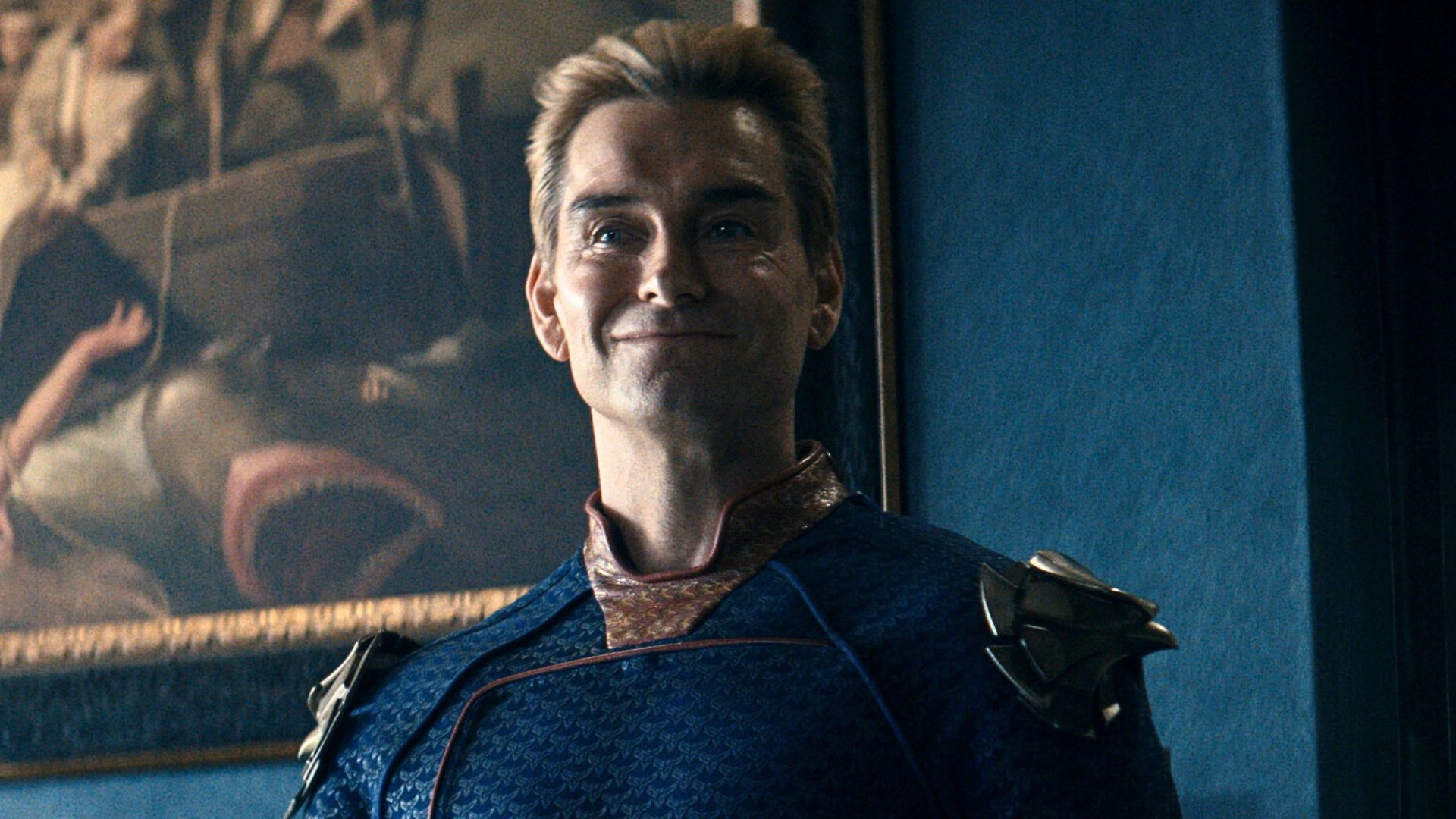
The Boys, which has redefined the genre with its unflinching commentary on power, corruption, and the dangers of unchecked celebrity, has earned a reputation for pushing boundaries. From the very first episode, the show made it clear that comfort would not be part of the equation. Its shocking moments, often laced with blood and brutality, have kept audiences on edge. As the series nears its end, fans are left wondering whether the show will stick to its guns or soften its tone for a more palatable conclusion.
Actor Antony Starr, who portrays the villainous Homelander, recently addressed the growing concerns about the show’s finale in an interview with Wired. His comments, though tempered with the awareness that no finale can ever please everyone, hinted that The Boys has no intention of taking the easy route out. In fact, Starr made it clear that the show’s creators are aiming for an ending that won’t leave fans feeling safe or satisfied in the traditional sense. He referenced a conversation with showrunner Eric Kripke, where Kripke warned the cast and crew that “everyone’s head is potentially on the block.”
Starr added, “Has any show ever provided an ending that satisfies everyone? I don’t know that you can, because everyone’s different and everyone wants different things… But something just finished — I won’t say what — and nobody died. I was scratching my head at the end, going, ‘There’s nowhere else to go. This is the end of the run. Kill some people’… As our boss, Eric [Kripke] has said, don’t get attached to any characters on this show because everyone’s head is potentially on the block.”
This straightforward acknowledgment of the brutal nature of the show’s storytelling philosophy speaks volumes about the show’s final trajectory. Starr’s remarks reflect a reality that many fans of long-running shows often face: the ending will inevitably divide opinions. There will always be those who feel let down, who wanted something more, or something different. But Starr’s comments make it clear that The Boys isn’t aiming for a safe, universally loved finale. Instead, it’s gearing up to give audiences exactly what they’ve come to expect from the series—a chaotic, shocking, and emotionally charged conclusion.
One of the most striking aspects of The Boys is its consistent refusal to play by traditional rules of storytelling, especially when it comes to its depiction of violence. From the very beginning, the show has made it clear that no character is off-limits when it comes to the violence that defines its world. The superhero genre, often associated with more palatable depictions of power and justice, is turned on its head in The Boys, where superheroes are just as likely to commit heinous acts as they are to save the day. The shock value of the show’s violence has always been more than just for the sake of spectacle—it serves the larger narrative, highlighting the rot at the core of a world that reveres celebrity and power without question.

In this context, Starr’s suggestion that The Boys is gearing up for a finale that includes major character deaths feels consistent with the show’s ethos. It’s not a series that can afford to go soft in its final moments, not after everything the show has set up over its run. The stakes have always been high, and fans have come to expect that no one—hero or villain—is safe. To backpedal on that in the final moments would feel disingenuous, a betrayal of the series’ core themes.
Starr’s earlier comments, where he teased fans with the idea that they would be “either surprised or shocked, depending on their nervous system,” suggest a finale that will deliver something truly unpredictable. Fans of the series have learned to expect the unexpected, and the fifth episode of the latest season only cemented the show’s commitment to pushing the envelope. If the finale is to live up to that promise, it will need to be both shocking and earned. A cheap twist or sudden redemption arc would not only undermine the emotional weight of the series but also rob the characters of the development they’ve gone through.
This raises an important point: a brutal, shocking finale only works if it feels true to the story that’s been told up until that point. The greatest finales are those that make sense in the context of everything that has come before. They honor the emotional and narrative arcs of the characters, and while they may leave some fans upset, they still provide a sense of closure—however painful that may be. The Boys has always been a show about consequences, about what happens when power is unchecked, and about the devastating effects of corrupt systems. For the finale to be truly impactful, it must follow through on those themes. It must be a fitting conclusion that feels like a natural progression, not a forced attempt at shock for shock’s sake.
The finale of The Boys is shaping up to be a high-stakes affair, not just in terms of plot but also in terms of emotional payoff. The show has never shied away from making its characters suffer, and if it’s to end with the kind of impact that’s expected, it will likely require some characters to meet their end. This is not to say that every character will die—far from it—but in a world like The Boys’s, where the line between hero and villain is often blurred, the finale will likely make it clear that no one is guaranteed a happy ending.
This brings us to an important distinction that Starr made: while the finale will undoubtedly shock viewers, it will also remain true to the show’s identity. The key to a successful ending, especially for a show as boundary-pushing as The Boys, is staying faithful to the core of the story. It’s not about simply delivering a twist for the sake of it; it’s about following through on the stakes the show has spent seasons building. That’s why the comments from both Starr and Kripke are so significant—they show an awareness of the responsibility the show has to its audience. They understand that, despite the shock value, the finale must resonate emotionally and thematically.
Ultimately, The Boys is a show that has never been about comfort. It has never been afraid to make hard choices, to explore the darkest aspects of humanity, and to show the ugly truth behind the mask of heroism. For the show to land in a way that feels satisfying, it will need to stay true to that commitment. It may not be the finale that every fan expects or wants, but if it’s honest to the story it’s been telling, it will be the right one.
As the end of The Boys draws near, one thing is clear: the show is preparing to leave a mark. It’s not about playing it safe—it’s about delivering an ending that feels true to everything that has come before, even if that means upsetting expectations. In a world where entertainment often plays it safe to avoid alienating its audience, The Boys has always stood apart by embracing chaos, shock, and the hard truths that no one else wants to face. In that sense, its ending will be the perfect culmination of everything it has always been. And whether viewers love or hate it, one thing is certain: they won’t forget it.