With Dutton Ranch episode 7 now streaming on Paramount+, attention is rapidly shifting away from its current explosive storyline and toward a much bigger question: what comes next for the Yellowstone universe’s most volatile spinoff.
With only two episodes remaining in the season, the narrative is approaching a pressure point where almost anything still feels possible—and increasingly inevitable. Beulah Jackson (Annette Bening) has just installed a controversial successor at the 10-Petal Ranch, Beth Dutton (Kelly Reilly) and Rip Wheeler (Cole Hauser) are now fully embedded in Beulah’s orbit, and Carter (Finn Little) is spiraling through his first real heartbreak in a world that rarely forgives emotional mistakes.
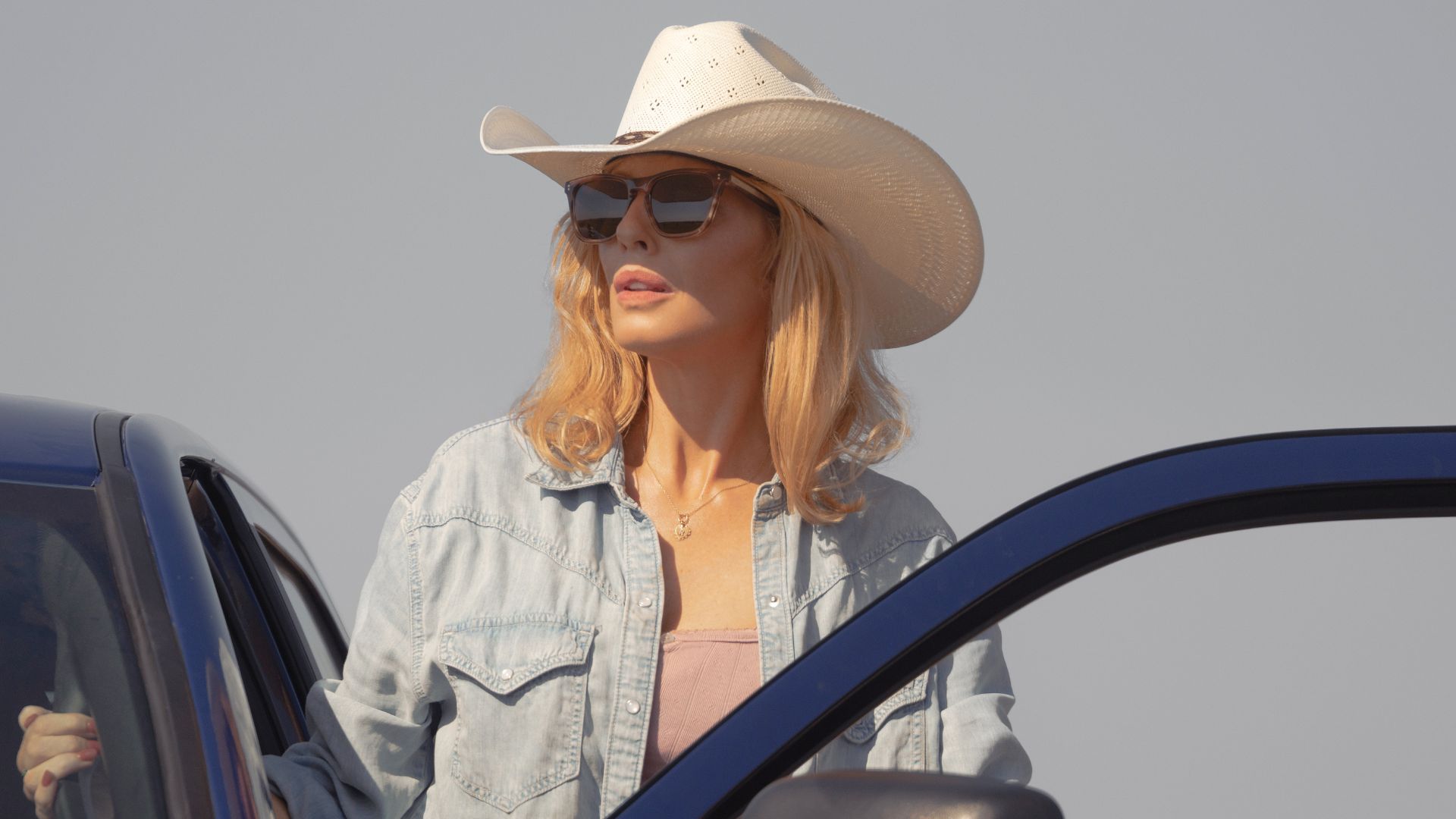
Add Rob-Will Jackson (Jai Courtney) back into the equation, and Rio Paloma feels less like a town and more like a fuse burning toward something unavoidable.
The result is a finale run that feels less like a conclusion and more like ignition.
At this stage, the real conversation is no longer just about where season one is heading, but whether Dutton Ranch has done enough to secure a second season. And if you ask one of its stars, the answer is already obvious.
Berto Colón, who plays Miguel on the series, is confident the show has already proven its value.
“I hope so,” he says when asked about the possibility of a second season. “I mean, the writing is on the wall, right? I think that the success of the show speaks for itself. There needs to be a continuation to this.”
Colón is careful not to overstep into official confirmation territory, but his conviction reflects what many involved with the production seem to feel: that Dutton Ranch has already established itself as more than a one-off experiment in the expanding Yellowstone franchise.
“Obviously, I don’t have any actual carnal knowledge of that,” he adds with a laugh, acknowledging the limits of his insight into renewal decisions. “But I just know that the numbers speak for themselves. What I’ve gathered in my experience of this business is that if any show deserves a few more seasons, it’s this one.”
It’s a sentiment that aligns with broader industry expectations.
From a franchise standpoint alone, Yellowstone has become one of television’s most aggressively expanded universes in recent memory. With 1883, 1923, Marshals, and now Dutton Ranch, the franchise has evolved into a multi-generational storytelling engine that shows no signs of slowing down.
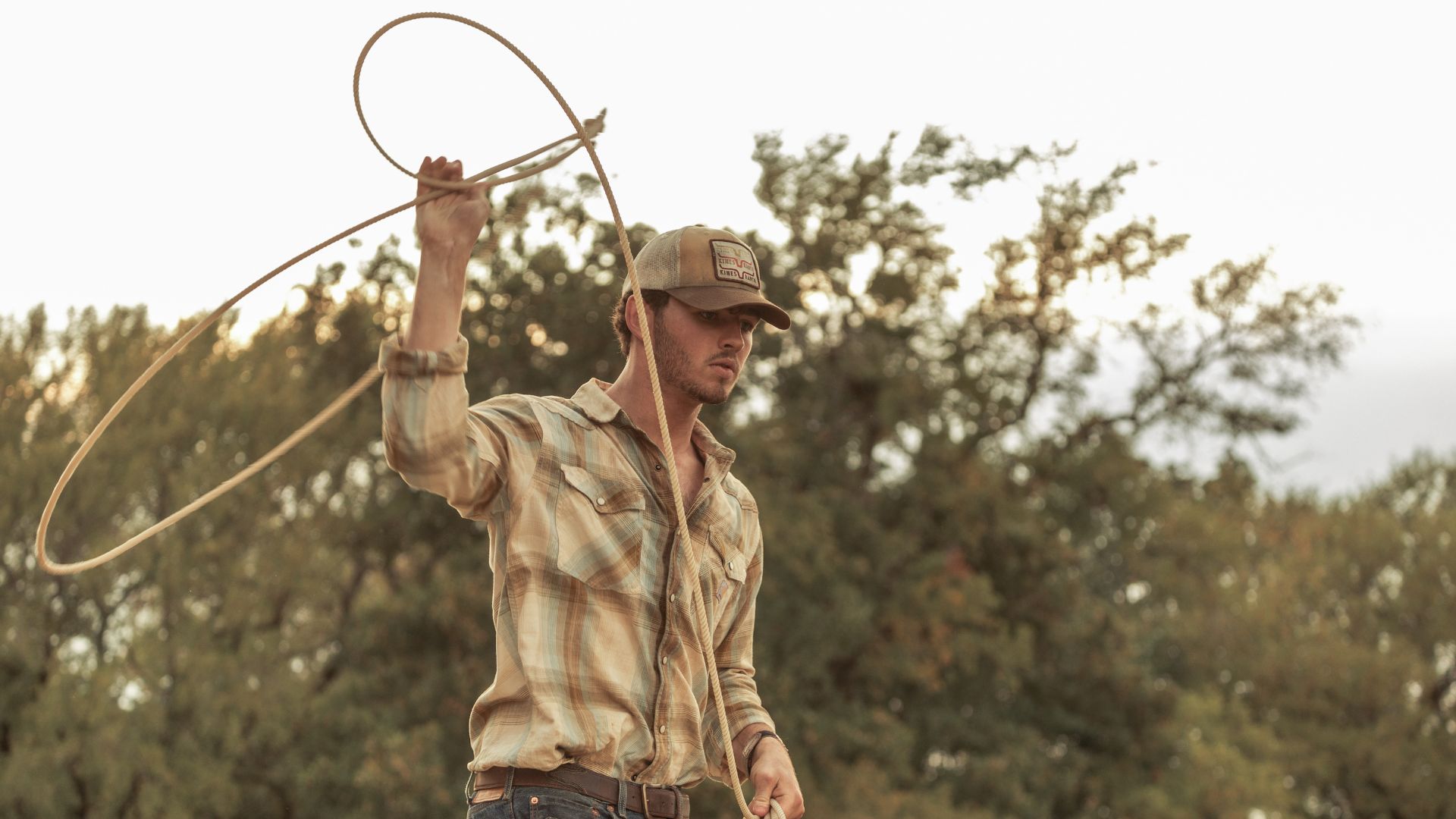
Each installment has explored a different era, tone, or corner of the Dutton legacy, but Dutton Ranch stands out for something more immediate: its proximity to the emotional and moral chaos of the present-day world.
Unlike its period-driven predecessors, it exists in a space where legacy is not yet history—it is actively being written, rewritten, and contested.
That immediacy may be exactly what gives the series its strongest case for continuation.
Within the current season, narrative threads are tightening rapidly. Beulah’s sudden consolidation of power at the 10-Petal Ranch has already fractured trust among key players. Her decision-making—particularly the controversial naming of Rob-Will as successor—has introduced instability at the very top of the ranch’s hierarchy.
Meanwhile, Beth and Rip’s integration into Beulah’s operations has added another unpredictable layer to the power structure. Both characters bring their own history of volatility, loyalty, and violence, and their presence alone has shifted the emotional temperature of every room they enter.
Carter’s storyline, by contrast, offers a more intimate kind of tension. His emotional unraveling following rejection by Oreana (Natalie Alyn Lind) is less about political control and more about identity formation in a world that rarely offers second chances. His arc is beginning to mirror the larger themes of the series: what it means to grow up in a system built on dominance, inheritance, and emotional suppression.
And then there is Rob-Will.
His return to Rio Paloma functions like a destabilizing force rather than a simple character re-entry. Every storyline connected to him—Beulah’s past, Joaquin’s displacement, the question of succession—feels reactivated by his presence. The show has carefully positioned him not just as a son returning home, but as a potential rupture in the entire structure of the 10-Petal Ranch.
From a storytelling perspective, that kind of unresolved tension is rarely deployed without long-term intention.
Which brings the discussion back to renewal.
In modern franchise television, especially within a universe as expansive as Yellowstone, renewal decisions are often shaped by more than narrative potential alone. Audience engagement, streaming performance, and cross-series franchise viability all play a role.
And Dutton Ranch appears to check several of those boxes.
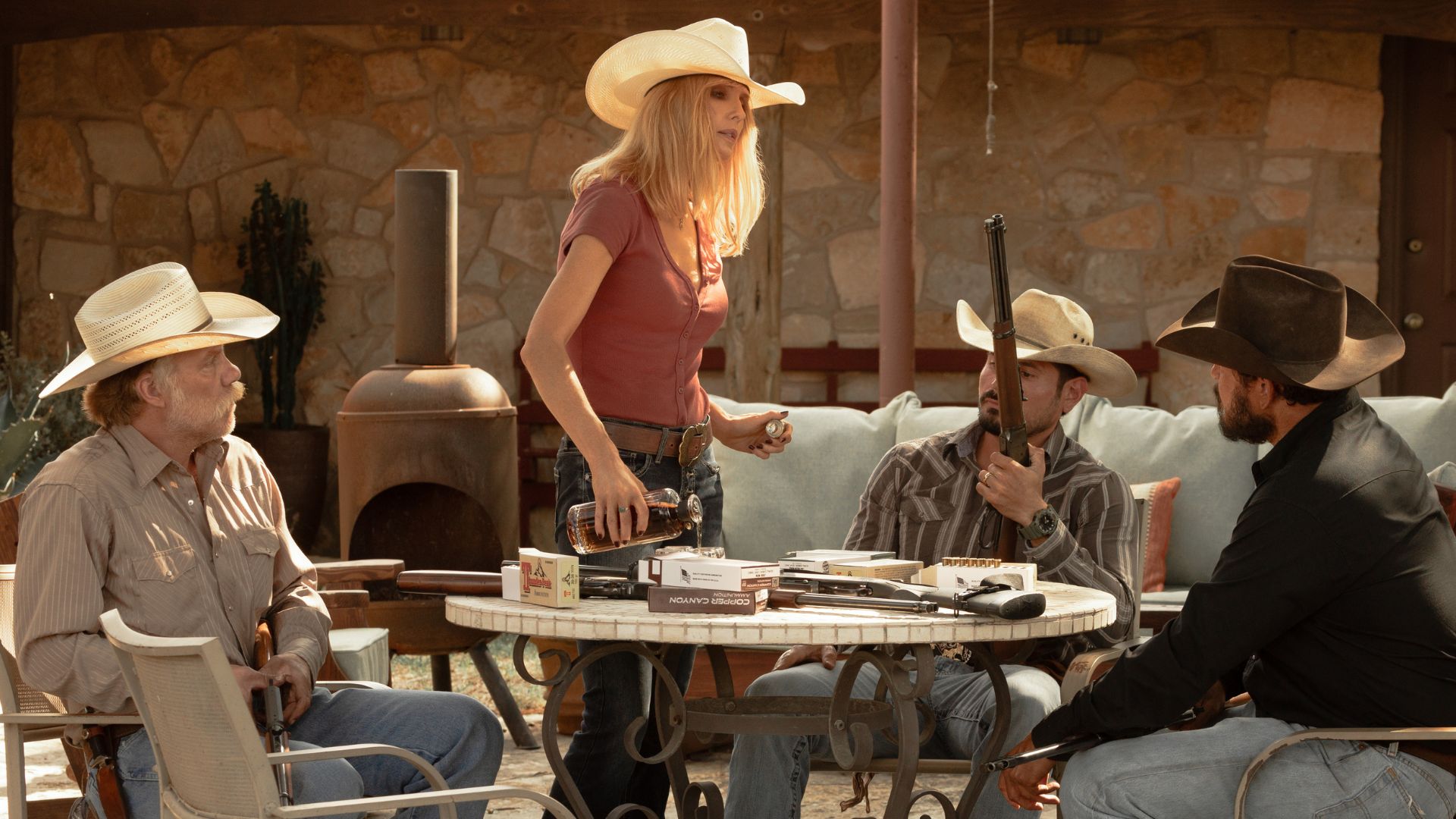
Beyond its internal storylines, the series benefits from something increasingly rare in franchise television: crossover potential that actually feels organic. Fan interest in a possible Marshals crossover, particularly one that could reunite Beth with her brother Kayce Dutton (Luke Grimes), has already begun circulating online.
While no official plans have been confirmed, the mere existence of that speculation highlights the elasticity of the universe the show inhabits.
The Dutton family, in all its iterations, continues to function as a narrative hub capable of connecting disparate storylines across time and geography. That flexibility has become one of Paramount’s most valuable creative assets.
Within that framework, Dutton Ranch feels uniquely positioned. It is not a historical origin story or a distant prequel—it is a living extension of the present-day mythology. That makes it both more volatile and more expandable than its predecessors.
Still, despite all the signs pointing toward continuation, no official renewal has yet been announced by Paramount+. That silence has only intensified speculation among fans, particularly as the season finale approaches its July 3 air date.
Historically, franchise decisions of this scale are often timed strategically around major narrative milestones. A finale drop would provide the perfect moment to gauge audience reaction, maximize engagement, and potentially announce future plans while attention is at its peak.
If that pattern holds, the coming weeks may prove decisive.
For now, the creative momentum of Dutton Ranch continues to build toward its own internal climax. The final two episodes are expected to push existing conflicts into more irreversible territory, particularly around Beulah’s authority, Rob-Will’s ambitions, and the increasingly fragile alliances forming around the 10-Petal Ranch.
Whether those storylines conclude neatly or deliberately unravel into something larger may ultimately depend on whether there is another season waiting on the other side.
Because right now, Dutton Ranch doesn’t feel like a story reaching its end.
It feels like a story preparing to expand.