Heartstopper Forever was always going to face an impossible challenge. After three seasons of Netflix’s beloved coming-of-age romance, the final movie had to deliver a satisfying conclusion for Nick Nelson and Charlie Spring while also staying true to the gentle optimism that made the series a global phenomenon. For a show built around first love, self-discovery and the belief that queer teenagers deserve happy stories, ending the journey meant answering a much bigger question: what happens when the fairytale starts meeting adulthood?
Kit Connor, who plays Nick, recently revealed that he imagined a much messier version of the characters’ future. Speaking about the final chapter, the actor admitted that he would have allowed Nick and Charlie to make mistakes that many young couples experience, including betrayal and poor decisions. His argument was that young people often stumble while figuring themselves out and that those experiences do not necessarily make them bad people.
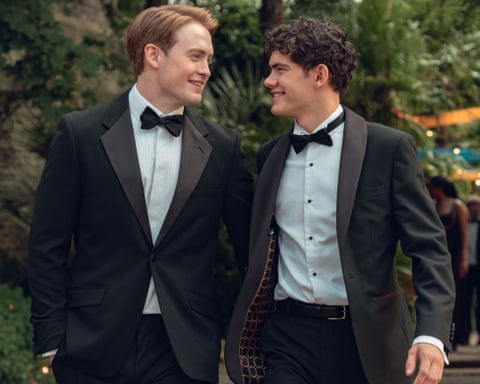
That perspective raises an interesting question about Heartstopper Forever: does the franchise’s commitment to kindness and emotional safety prevent it from exploring the more complicated realities of growing up?
The answer is complicated. Heartstopper has never attempted to be a gritty depiction of teenage life. Its appeal has always come from its warmth, sincerity and almost dreamlike optimism. Complaining that Heartstopper is too wholesome is almost missing the entire point. The series was created as a place where queer teenagers could see themselves experiencing joy, romance and acceptance rather than only pain and struggle.
However, as Nick and Charlie grow older, the gap between fantasy and reality becomes harder to ignore.

Heartstopper Forever picks up during Nick and Charlie’s final year at Truham Grammar School. The couple is older, more confident and more secure in their relationship than when audiences first met them. Their romance has already survived bullying, coming out, mental health struggles and the challenges of teenage intimacy. They are no longer wondering whether they like each other. Instead, they face a much more complicated question: can a relationship built during adolescence survive the transition into adulthood?
Unlike earlier seasons, which centered on specific milestones such as Nick and Charlie admitting their feelings, saying “I love you” or taking their relationship to a new level, the movie focuses on uncertainty. University decisions, changing priorities and personal growth begin to test whether the two young men can continue moving forward together.
The problem is that Heartstopper Forever struggles to build a convincing emotional journey toward that conclusion. The movie covers an entire year of Nick and Charlie’s lives, divided into seasonal chapters before reaching its final epilogue. While this structure gives the film a reflective quality, it also creates a disconnected feeling, with different conflicts appearing and disappearing without always receiving enough attention.
Nick’s storyline is particularly ambitious. The character who was once portrayed as emotionally mature and supportive begins struggling with his own anxiety about the future. His fear of losing Charlie and uncertainty about who he wants to become create a realistic emotional conflict. However, the film moves through his struggles quickly, making some of his personal growth feel rushed.
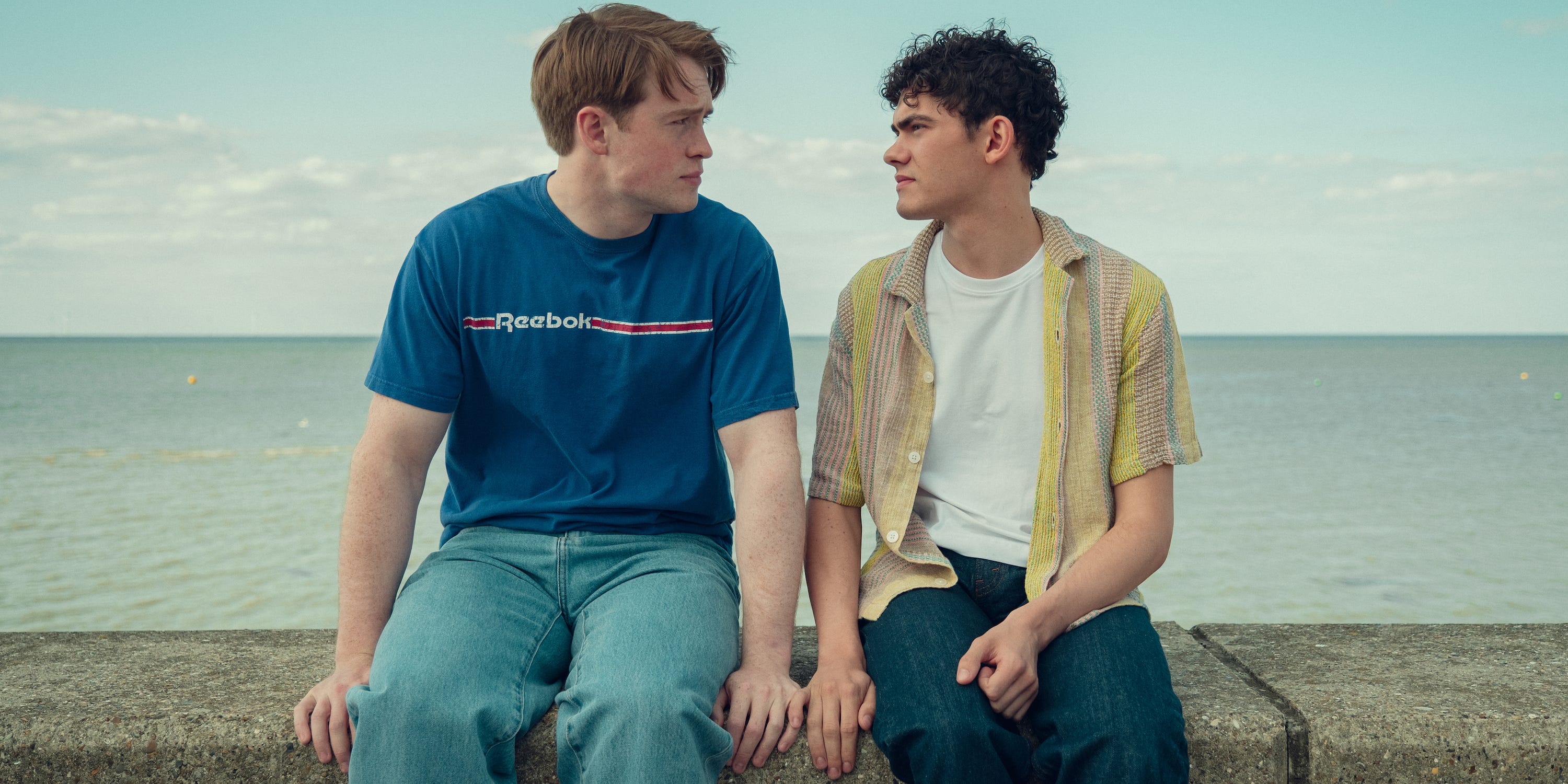
Charlie’s storyline also revisits his previous battles with mental health and his eating disorder. The movie acknowledges that recovery is not always straightforward, but some of the emotional resolutions arrive too easily. Moments that could have explored the complexity of healing instead become brief reminders of struggles audiences have already seen before.
The same issue affects the wider friend group. Tao and Elle, whose relationship became an important part of the previous seasons, face uncertainty about their future together. Yet their conflict receives limited exploration compared with the attention given to Nick and Charlie. Characters who once felt central to the Heartstopper universe sometimes appear more like familiar faces returning for a final goodbye rather than fully developed parts of the story.
In many ways, Heartstopper Forever feels less like a traditional continuation and more like a farewell letter to the fans who have supported the series from the beginning. The movie spends considerable time revisiting emotional landmarks from Nick and Charlie’s relationship, including memories of their first kiss and earlier moments of connection.
These callbacks will likely delight longtime viewers, but they can also make the film feel overly focused on nostalgia. Rather than pushing the characters into completely new territory, the movie often looks backward, celebrating what Heartstopper has already achieved.
The film also continues the franchise’s tradition of addressing real-world LGBTQ+ issues. Through characters like Elle, Heartstopper Forever acknowledges the challenges facing queer and transgender young people today. These moments carry genuine emotional weight, especially as the characters reflect on the uncertainty and fear many LGBTQ+ teenagers experience.
However, some of these discussions feel inserted rather than naturally connected to the story. The franchise has always balanced personal experiences with broader social themes, but the movie occasionally appears more focused on delivering a message than exploring how those issues specifically shape the characters.
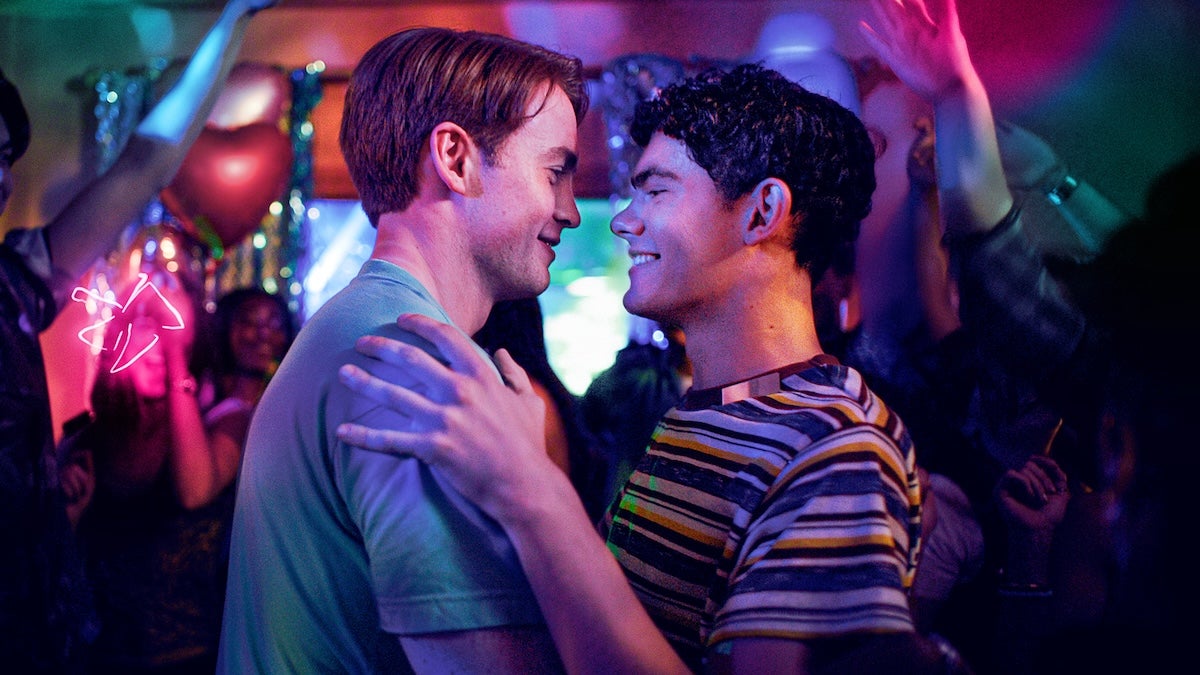
Despite these criticisms, the emotional strength of Heartstopper Forever remains undeniable. The performances from Kit Connor and Joe Locke continue to be the heart of the story. Their chemistry has always been the foundation of the series, and the final film gives both actors opportunities to show a deeper, more mature side of Nick and Charlie’s relationship.
Connor especially captures Nick’s struggle between wanting to appear strong and quietly feeling overwhelmed by change. Locke brings emotional honesty to Charlie as he becomes someone who is no longer defined only by his past pain. Together, they create a believable portrait of two young people who love each other while still learning how to love themselves.
The film also includes some of the franchise’s most touching moments, particularly when it explores different forms of love and identity. Charlie’s sister Tori receives one of the movie’s strongest scenes as she discusses her own understanding of relationships and happiness. These quieter moments remind audiences why Heartstopper became so meaningful in the first place.
Ultimately, Heartstopper Forever is both a celebration and a limitation of everything that made the series special. It delivers the emotional comfort, representation and optimism that fans expect, but it sometimes struggles with the messy realities of growing up.
Kit Connor may have imagined a more chaotic ending for Nick and Charlie, one filled with mistakes and difficult choices. Instead, Heartstopper Forever chooses a softer path. It believes that love, communication and understanding can overcome most obstacles.
For some viewers, that may feel unrealistic. For others, it may be exactly the kind of hopeful ending they needed.
After all, Heartstopper was never meant to show that life is perfect. It was created to show that happiness is possible. And as Nick and Charlie step into the unknown future, the series leaves audiences with the same message that defined it from the beginning: growing up is complicated, but finding people who truly understand you can make the journey worthwhile.