Noah Wyle, best known for his role as Dr. John Carter on the iconic medical drama ER, has made his return to the medical drama genre with the highly praised The Pitt. This new series has quickly garnered attention for its realistic portrayal of emergency medicine, building a reputation as one of the most intense and immersive hospital dramas on television today.
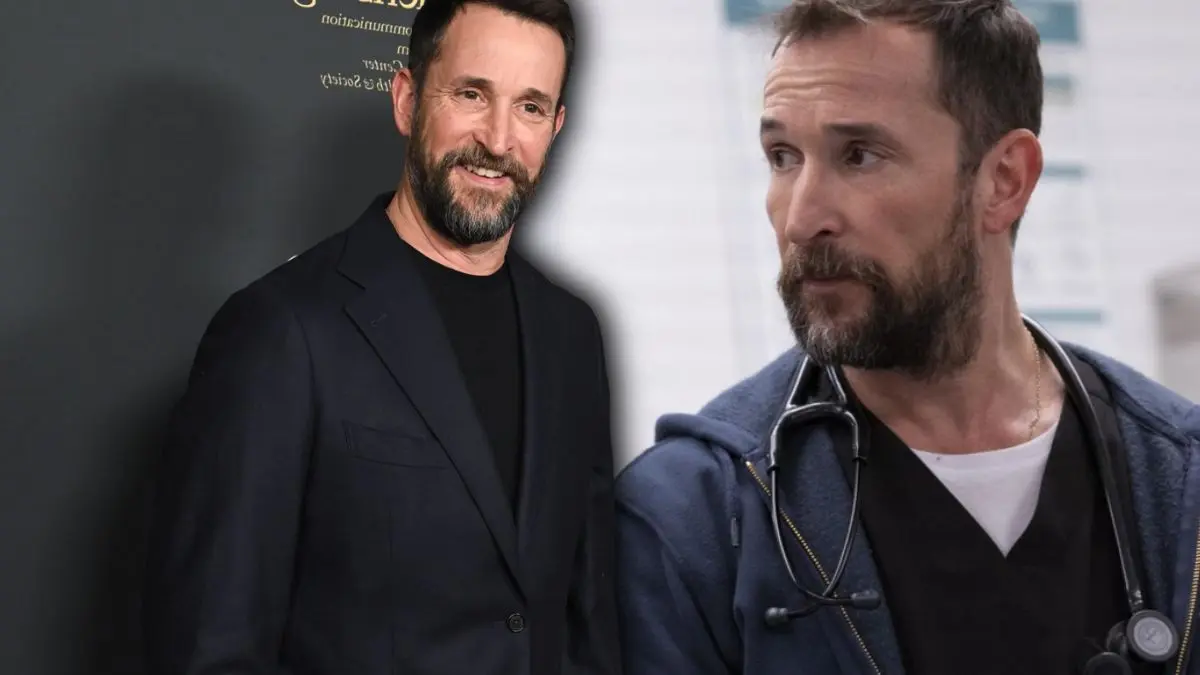
For many viewers, Wyle is synonymous with ER, the groundbreaking show that ran for over a decade and established him as one of the central figures of the series. As Dr. John Carter, Wyle portrayed a young, idealistic doctor whose journey through the complexities of the medical world resonated with audiences for years. His portrayal earned him multiple Emmy nominations and cemented his place as a staple in medical drama television.
Now, in The Pitt, Wyle takes on a drastically different role. He stars as Dr. Michael “Robby” Robinavitch, a senior attending physician at Pittsburgh Trauma Medical Center, a hospital that serves as the setting for the series. Unlike the polished and somewhat idealized portrayal of medicine in ER, The Pitt takes a grittier and more realistic approach. The show focuses on the demanding and often overwhelming world of emergency medicine, with each episode highlighting the chaotic nature of hospital shifts and the physical and emotional toll it takes on medical professionals.

The series is set in a crowded, underfunded emergency department in Pittsburgh, where the pressure never lets up. The hospital is constantly filled with patients in need of urgent care, and the doctors, nurses, and staff must work under extreme pressure to save lives. Wyle’s character, Dr. Robby, is a highly skilled physician, but he is also struggling with his own personal demons, particularly the intense emotional strain of working in such an environment. The show focuses on long, grueling shifts where every decision can mean the difference between life and death, and it explores the personal and professional toll these pressures take on the characters.
One of the standout elements of The Pitt is its dedication to authenticity. Wyle himself has spoken about how the show works hard to make the hospital setting as realistic as possible. He explained that part of this authenticity comes from the careful attention paid to the medical procedures shown on screen. The series employs a team of medical advisors who work closely with the cast to ensure that every procedure and piece of medical jargon is accurate. This dedication to realism is one of the things that has set the show apart and earned it critical acclaim.
In a recent interview, Wyle revealed some of the behind-the-scenes processes that contribute to the show’s realistic feel. One of the most striking aspects of the filming process, according to Wyle, is the strict rules the actors must adhere to. Because the production of The Pitt spans several months, it is crucial that the actors maintain a consistent look throughout filming. Wyle shared that, for the duration of the shoot, actors are required to avoid any physical changes that could disrupt the continuity of the series. “You can’t gain a pound, can’t lose a pound; can’t get a tan, can’t get a tattoo, can’t get a haircut,” he explained. “We have to look exactly the same for nine months.” This level of discipline is necessary to ensure that each scene flows seamlessly, maintaining the show’s continuity and the intensity that has become its trademark.

The show’s structure also contributes to its high-stakes, continuous tension. Many of the medical emergencies depicted in The Pitt are shown in real time, with little downtime between scenes. This approach creates a constant feeling of urgency and pressure, both for the characters and the audience. Wyle explained that this method helps immerse viewers in the chaotic and fast-paced world of emergency medicine, making them feel as though they are right there in the thick of it with the doctors and nurses. The show is designed to keep the tension high, never letting up, and this creates an experience that is both thrilling and emotional.
Another interesting aspect of The Pitt is how the show’s concept was developed. Wyle revealed that the idea for the series came about during the COVID-19 pandemic. As the world grappled with the effects of the pandemic, Wyle began speaking with first responders and medical professionals, learning more about the emotional and physical toll that emergency workers face every day. These conversations inspired him to revisit the hospital drama genre, but with a more modern, intense approach that would reflect the real challenges healthcare workers face. This background in real-world experience gives The Pitt a sense of immediacy and relevance that resonates deeply with audiences.
The attention to detail and commitment to authenticity have played a major role in the success of The Pitt. In addition to the critical praise the show has received for its portrayal of emergency medicine, Wyle’s performance has been singled out for its depth and nuance. As Dr. Robby, Wyle is able to convey the emotional complexity of a character who is not only dealing with the pressures of his job but also grappling with his own personal struggles. The show has been praised for its exploration of the psychological and emotional toll that working in a high-pressure environment takes on healthcare professionals, and Wyle’s portrayal of Dr. Robby is at the heart of this storytelling.
Despite the intense subject matter, The Pitt has found a dedicated fanbase that appreciates its commitment to realism and its willingness to tackle difficult topics. The show’s focus on the human side of medicine, rather than just the medical procedures, has resonated with viewers who are looking for something more than just a typical hospital drama. The show doesn’t shy away from showing the emotional impact that working in such an environment can have, and it is this exploration of the human experience that sets The Pitt apart from other shows in the genre.
Beyond the medical drama, The Pitt also highlights the relationships between the doctors, nurses, and staff. These relationships are tested by the challenges of their work, and the show delves into how these personal dynamics evolve over time. Whether it’s the camaraderie that develops between colleagues or the strain that the job puts on personal relationships, The Pitt captures the complexities of working in such a high-stakes environment.
As The Pitt continues to grow in popularity, Wyle’s return to the medical drama world has brought a fresh perspective to the genre. His years of experience in television have helped shape the show into something that is both captivating and emotionally impactful. With its realistic portrayal of emergency medicine, its commitment to authenticity, and its deep character development, The Pitt has become a standout in the world of medical dramas. Fans can expect more thrilling and emotionally charged episodes as the series continues to explore the challenges faced by those on the frontlines of healthcare.