If you’re still trying to fill the void left behind by Off Campus, you’re certainly not alone. The romantic drama became one of Prime Video’s biggest surprise hits of the year after premiering in May, captivating audiences with its blend of college romance, emotional vulnerability, and the irresistible fake-dating trope. Viewers quickly fell for the chemistry between Hannah Wells and Garrett Graham, helping propel the series to the top of the platform’s streaming charts and securing an early renewal for a second season.
The show’s success also proved something television executives have known for years: audiences simply can’t get enough of a well-executed romance adaptation.
Fortunately, fans searching for their next emotional obsession may not have to look very far.
Prime Video has quietly added another adaptation that is already generating significant buzz among viewers, particularly among readers who helped turn the original novel into a publishing phenomenon. The series is Every Year After, a sweeping romance that combines nostalgia, heartbreak, friendship, and second chances into one emotionally charged package.
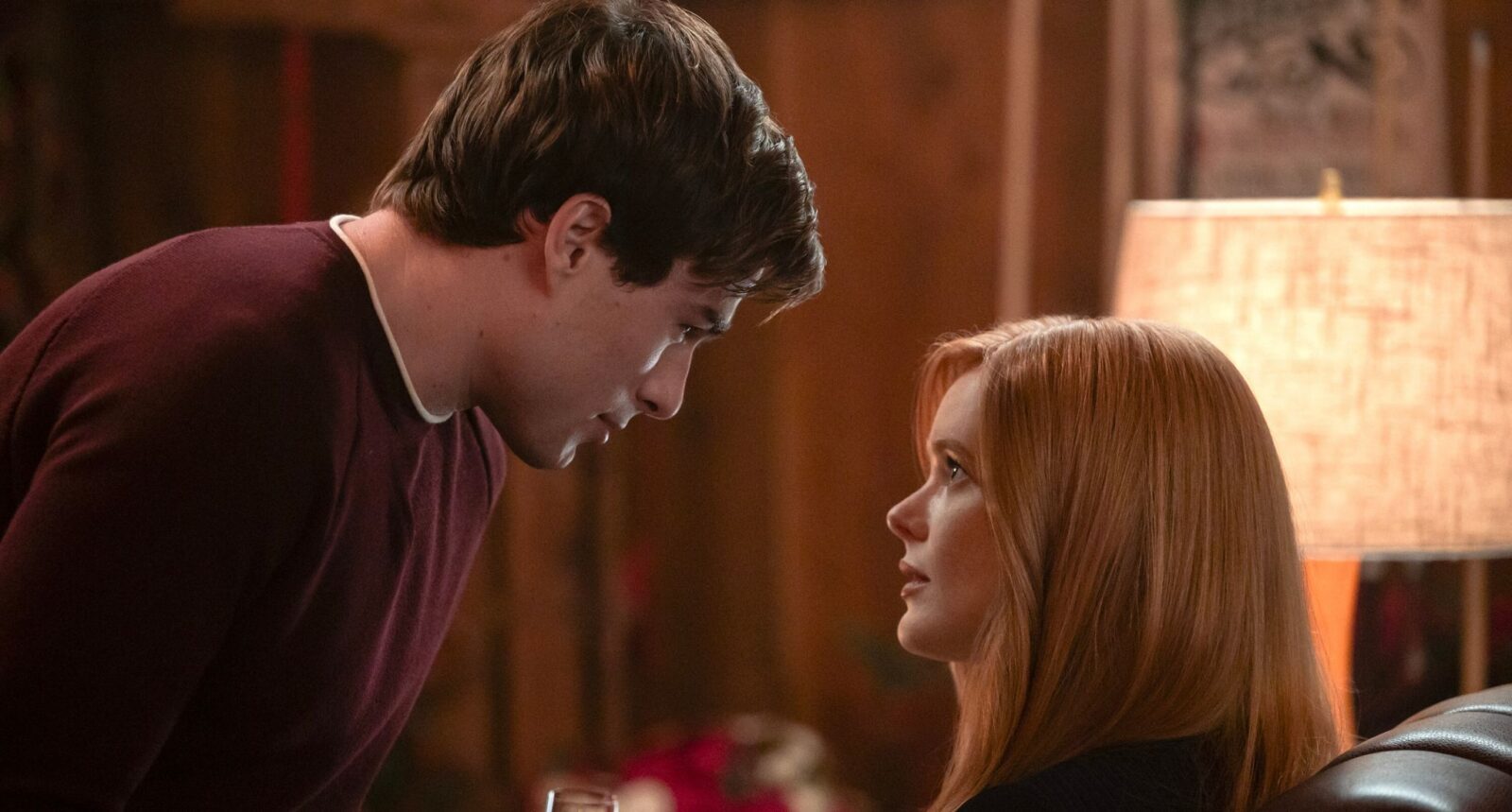
Much like Off Campus, the series is based on a bestselling novel with a passionate fan base. But while both stories explore romance, Every Year After takes a notably different approach, trading college campuses and playful relationship contracts for lakeside summers, long-buried secrets, and a love story stretched across more than a decade.
That shift in tone may be exactly what viewers are looking for.
At the center of the story is Percy, a woman returning to the place that once felt like home after spending years avoiding it. Her arrival back in Barry’s Bay forces her to confront memories she has spent much of her adult life trying to escape.
The setting itself quickly becomes one of the show’s greatest strengths.
Barry’s Bay is portrayed as the kind of small-town summer destination that exists permanently in memory. The lake, the cabins, the docks, and the endless summer evenings all create a powerful sense of nostalgia that becomes almost a character in its own right. Whether viewers have experienced a similar place themselves or simply wish they had, the series captures the bittersweet feeling of looking back on a period of life that can never truly be recreated.

That atmosphere serves as the backdrop for the complicated relationships that drive the narrative.
As Percy reconnects with people from her past, viewers gradually learn about her deep history with the Florek family, particularly the brothers who played such a significant role during her formative years. The series unfolds across dual timelines, moving between Percy’s present-day return and the summers that shaped her future.
This structure allows the story to reveal its secrets slowly.
Instead of presenting a straightforward romance, Every Year After invites viewers to piece together what happened between Percy and the people she once loved. Every flashback provides new context, while every present-day interaction raises additional questions.
Why did Percy stay away for so long?
What caused the relationships she valued most to fracture?
And perhaps most importantly, can certain mistakes ever truly be forgiven?
These mysteries help distinguish the show from many traditional romance dramas.
While romance remains the emotional core of the series, the story also explores themes of grief, regret, family expectations, personal growth, and the lingering impact of decisions made during youth. The result is a narrative that often feels more reflective than conventional romantic fare.
That emotional depth is likely one of the reasons readers connected so strongly with the source material.
The series is adapted from Carley Fortune’s bestselling novel Every Summer After, a book that became a major literary success shortly after publication. The novel spent months on bestseller lists, sold more than a million copies worldwide, and developed an especially enthusiastic following on social media platforms.
BookTok, in particular, played a major role in the novel’s rise.
Readers shared emotional reactions, favorite scenes, and passionate recommendations that helped introduce the story to a massive audience. The novel’s popularity continued growing through word of mouth, eventually becoming one of the most recognizable contemporary romance titles of recent years.
With such a devoted fan base, expectations for the television adaptation were understandably high.
Book adaptations often face a difficult challenge. Fans want the story they loved to remain intact, but television also requires changes to pacing, structure, and characterization. Striking the right balance can be difficult, especially when adapting a novel built around emotional introspection.
Early reactions suggest that Every Year After has managed to navigate that challenge successfully.
Viewers have praised the series for preserving the emotional heart of the novel while expanding certain storylines for television. The adaptation gives supporting characters additional room to breathe while maintaining focus on Percy’s personal journey.
The casting has also received positive attention.
Bringing beloved literary characters to life is never easy, but many viewers have expressed satisfaction with how the actors embody the personalities and emotional complexities that made the original story resonate with readers.
Perhaps most importantly, the chemistry between the leads has become a major talking point.
Romantic dramas live or die based on whether audiences believe in the central relationship. In the case of Every Year After, viewers appear fully invested in the emotional connection at the story’s center, helping transform intimate moments into some of the series’ most memorable scenes.

The show’s release strategy has also worked in its favor.
Premiering on June 10, the eight-episode season arrived at a time when many viewers were actively searching for new content after finishing spring releases. The series quickly gained momentum through social media recommendations, fan discussions, and positive audience reviews.
Before long, it had climbed near the top of Prime Video’s most-watched rankings.
That rapid success mirrors the trajectory followed by Off Campus only weeks earlier.
In fact, the similarities between the two shows extend beyond their streaming platform. Both adaptations demonstrate the growing influence of romance novels on television development. For years, studios focused primarily on fantasy, mystery, and thriller adaptations. More recently, however, romance novels have become a valuable source of material for streaming services seeking highly engaged audiences.
The strategy appears to be paying off.
Readers frequently become dedicated viewers, while newcomers often discover the original books after watching the adaptations. This creates a cycle that benefits both publishers and streaming platforms, expanding audiences across multiple formats.
For viewers who loved Off Campus, Every Year After offers many of the same qualities that made that series addictive.
There’s emotional tension, compelling chemistry, heartfelt romance, and enough unanswered questions to keep audiences pressing play on the next episode.
At the same time, it brings its own unique identity.
The lakeside setting, dual-timeline storytelling, and focus on second chances give the series a more reflective and bittersweet tone. Rather than focusing on the excitement of new love, it examines what happens when people are forced to revisit the relationships that defined them years earlier.
That emotional complexity is what ultimately makes the series stand out.
It isn’t simply a story about romance. It’s a story about memory, growth, forgiveness, and the people who leave permanent marks on our lives.
For anyone currently searching for a new binge-worthy drama filled with longing glances, unresolved feelings, and emotional revelations, Every Year After may be the perfect follow-up to Off Campus.
And judging by its rapid rise on Prime Video, plenty of viewers have already come to the same conclusion.
The next streaming obsession may have arrived sooner than expected.