Yahya Abdul-Mateen II is stepping into one of the most iconic roles in modern action cinema, taking on the character of John Creasy in Netflix’s upcoming Man on Fire series. This role, originally made famous by Denzel Washington in Tony Scott’s 2004 film, carries enormous expectations. However, Abdul-Mateen II, known for his nuanced performances across a variety of roles, is determined to make the role his own. Rather than mimicking Washington’s portrayal, he aims to infuse his version of Creasy with a new essence, respecting the legacy while crafting a character that feels authentic to today’s audiences.
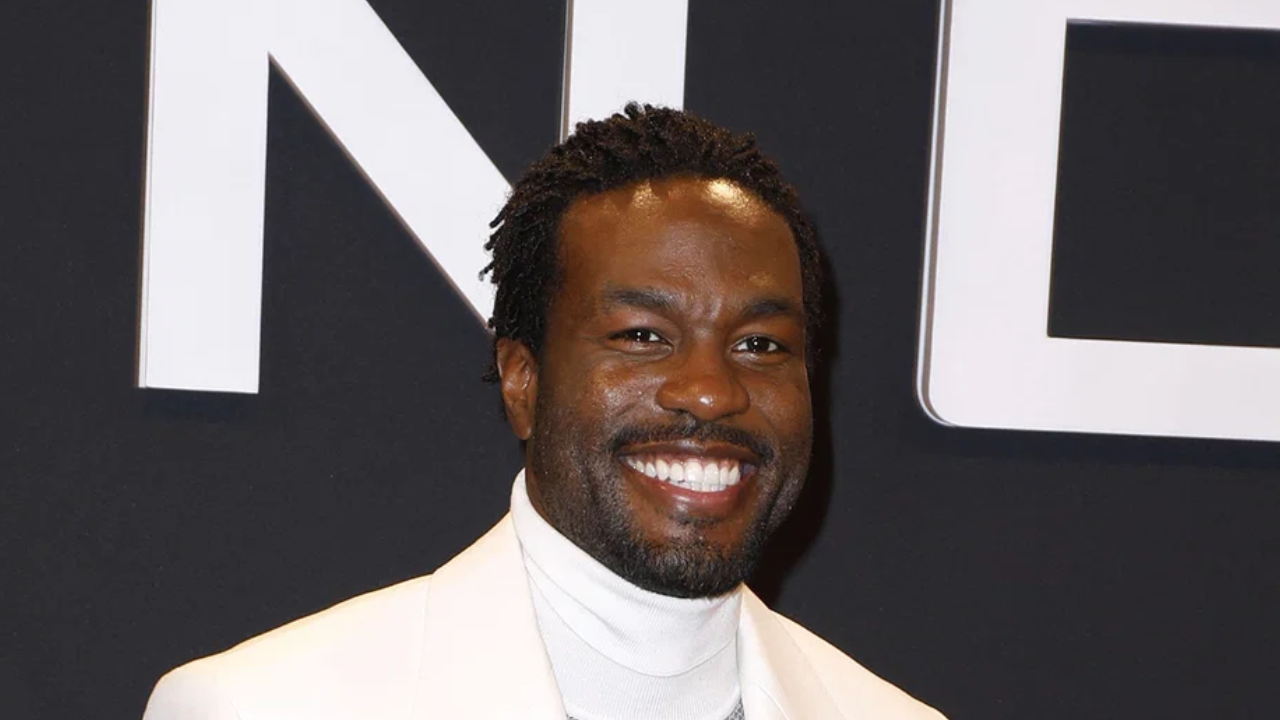
In a candid conversation with Netflix, Abdul-Mateen II addressed the challenge of stepping into such a well-known role. “With an iconic performance such as Denzel’s, you do not want to touch it,” he said. “As an actor, it is a mistake to try to recreate that.” His respect for Washington’s portrayal is evident, and his choice not to imitate the performance reflects his deep understanding of the legacy of Creasy. “You do not want to really touch it… to try to recreate that,” Abdul-Mateen II continued. Instead, he plans to honor the original by crafting his own iteration of the character, one that draws on the heart and soul of the original while remaining true to his own interpretation.
This decision highlights Abdul-Mateen II’s approach to acting, which has always been about bringing his own unique presence to a role rather than relying on previous performances as blueprints. Known for roles like Black Manta in Aquaman and as a leading man in the Watchmen series, he has never followed the typical prestige-actor route, always opting to infuse his characters with emotional depth and complexity. His portrayal of John Creasy promises to be no different.
Washington’s 2004 portrayal of Creasy in Man on Fire was groundbreaking, turning a traditional revenge thriller into a story about grief, guilt, and redemption. Directed by Tony Scott, the film elevated the genre with its emotional depth and intensity. Washington’s Creasy was far from the polished action hero archetype; instead, he was a man broken by his past, grappling with addiction and a loss of purpose. His relationship with a young Dakota Fanning, who played Pita, added a layer of tenderness to the film, making the character’s quest for vengeance feel deeply personal and tragic. Washington’s portrayal became an iconic part of the film, with his broken, yet powerful, performance leaving an indelible mark on viewers.
However, Abdul-Mateen II’s Man on Fire is moving away from the operatic, rage-fueled revenge that defined the original film. Instead, the Netflix adaptation, set in Rio de Janeiro, emphasizes psychological fracture and the emotional toll of Creasy’s past. In this version, Creasy is not just a man seeking revenge but a man dealing with the aftermath of a failed mission, isolated and struggling with post-traumatic stress disorder (PTSD). Unlike previous versions where violence served as the main drive of the plot, this adaptation foregrounds Creasy’s emotional and mental breakdown before violence enters the picture.
In this shift, the story becomes one of emotional healing and grappling with inner demons. Creasy’s journey is less about external enemies and more about confronting the scars of his past. This version of Creasy is unemployed, emotionally shattered, and disconnected from any sense of stability. His transformation into the revenge-driven operative is not a simple shift but a slow and painful journey that requires him to first confront himself.
Yahya Abdul-Mateen II on stepping into the role of John Creasy after Denzel Washington in MAN ON FIRE:
“When I watch that movie, the thing I really love is the heart and the soul. I honor that by doing my own iteration.” pic.twitter.com/zwzPWp2E1M
— Netflix (@netflix) May 7, 2026
Another significant change in the Netflix adaptation is the casting of Billie Boullet as Poe, Creasy’s surrogate daughter. Unlike the original film, where Poe was a child, this version of the character is a young adult. This alteration changes the dynamics of Creasy’s relationship with Poe, shifting the intimacy of the story while maintaining its core emotional devastation. Early reactions to the series have described the tone as being sadder and more serious than the original film, which aligns well with Abdul-Mateen II’s strengths as an actor. Throughout his career, he has excelled at portraying characters who carry invisible emotional wounds, characters whose physical strength masks deep internal struggles. This ability will likely prove invaluable as he steps into Creasy’s shoes, a character who is as much about psychological vulnerability as he is about physical power.
What makes this casting choice fascinating is not whether Abdul-Mateen II can replace Denzel Washington—because no one can—but whether he can create a completely different kind of Creasy for a new generation. The 2004 Man on Fire was a product of its time, and the world has changed since then. The modern audience is more attuned to psychological realism than the old-school revenge tropes that dominated action films of the past. Abdul-Mateen II’s interpretation of Creasy, with its focus on trauma and emotional depth, is exactly what Man on Fire needs right now. It’s a shift that allows the character to evolve while respecting the essence of what made him iconic.
The shift in tone also reflects a broader trend in modern action cinema, where audiences are looking for more than just mindless violence. Films and series like The Boys, Watchmen, and Aquaman have proven that viewers crave characters with emotional complexity, even within the framework of superhero or action stories. Abdul-Mateen II’s Creasy promises to be a nuanced take on the character, one that prioritizes emotional depth over the kind of flashy spectacle that typically dominates the genre.
Another intriguing aspect of this adaptation is the setting in Rio de Janeiro. The city’s chaotic energy and vibrant culture provide an interesting backdrop for Creasy’s psychological journey. It’s a place of contradictions, where beauty and danger coexist, much like Creasy himself. The city’s backdrop allows for a fresh take on the story, providing an environment that reflects Creasy’s inner turmoil while also pushing him to confront his past.
As fans eagerly await the release of Man on Fire on Netflix, the anticipation surrounding Abdul-Mateen II’s performance continues to build. The question on everyone’s mind is whether he can live up to the legacy of Washington’s iconic portrayal. While no one will ever truly replace Washington’s Creasy, Abdul-Mateen II has the opportunity to make the role his own and bring a new dimension to a character who has become synonymous with vengeance and redemption. With a focus on psychological complexity and emotional realism, this new take on Man on Fire could very well redefine what the character means for a new generation of viewers.
Whether Abdul-Mateen II’s Creasy can match the raw power of Washington’s version or not, one thing is certain: this new iteration promises to be a compelling and deeply emotional journey. With his combination of physical presence and emotional depth, Abdul-Mateen II is well-positioned to make his mark on one of modern cinema’s most beloved characters, ensuring that Creasy’s story remains relevant and impactful for years to come.