BTS V’s latest TikTok draws wave of online criticism and cultural appropriation claims
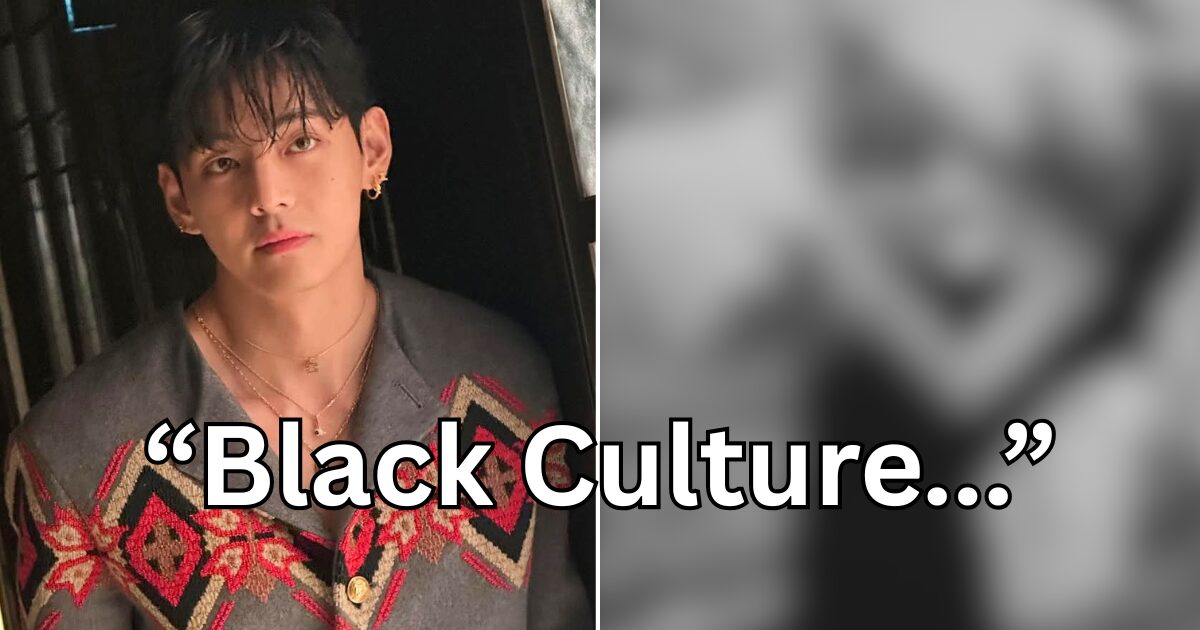
A new TikTok posted by BTS member V has triggered a sharp round of criticism online, with viewers splitting between those who found the clip awkward and others who accused the idol of cultural appropriation. The video, which V shared on his own account, gained wider attention after it was reposted by the popular X account @TheePopCore, quickly accumulating critical comments and turning a routine social-media update into a flashpoint for broader debate.
In the hours after the clip circulated more widely, reactions on X and other platforms ranged from mild discomfort to outright condemnation. A noticeable portion of commenters labelled the behaviour in the video “stupid” and “cringy,” arguing that the mannerisms on display felt forced or poorly judged. These critics focused less on any single gesture and more on an overall impression that the performance missed the mark and invited ridicule rather than appreciation.
Accusations of cultural appropriation surface
A second, more pointed line of criticism centred on cultural appropriation. Some users claimed that V’s behaviour in the video appeared to imitate mannerisms popularly associated with Black culture, accusing him of “trying to be Black.” These commenters placed the clip within a longer pattern of K-pop idols facing backlash for adopting styles, speech patterns or dance elements without, in the critics’ view, sufficient cultural context or sensitivity. References were made to earlier controversies involving other idols who had been called out for similar reasons, suggesting that V’s video was being read as part of an ongoing industry-wide issue rather than an isolated misstep.
The accusations remain contested. Supporters of the singer have argued that short-form video content is often playful, exaggerated and not intended as literal cultural commentary. Others have pointed out that global pop stars routinely borrow and blend influences across genres and communities. Nevertheless, the speed with which the appropriation critique spread indicates how sensitive such questions have become inside international K-pop fandoms, where audiences scrutinise idols’ public presentations for signs of disrespect or superficial borrowing.

How the clip gained traction
The original TikTok might have remained a relatively contained piece of fan-facing content had it not been amplified by @TheePopCore. Once the larger account shared the video, it reached viewers beyond V’s immediate follower base, including users already primed to discuss cultural politics in K-pop. The resulting comment threads mixed mockery of the performance itself with more ideological objections, creating a layered controversy that was difficult to reduce to a single complaint.
Taehyung looks insanely cool and fine in a new video. pic.twitter.com/yg7eKyq0PA
— Pop Core (@TheePopCore) August 24, 2026
In contemporary idol culture, platforms such as TikTok serve as both promotional tools and informal stages for personality. Artists are encouraged to appear relaxed, humorous and current. That same expectation, however, leaves little margin for gestures that sections of the audience may interpret as tone-deaf. V’s video appears to have landed in that narrow gap: intended, presumably, as light entertainment, yet received by a vocal segment of viewers as either embarrassing or culturally problematic.
He looks stupid asfpic.twitter.com/nJ5F0D9EPN https://t.co/le9fFn5IBX
— meow (@Toadtanked) August 24, 2026
Broader pattern of scrutiny
K-pop acts operate under intense and continuous observation. Short videos that once might have been dismissed as throwaway content now routinely generate monolingual and multilingual discourse about race, authenticity and power. When an idol of V’s global stature posts even a brief clip, the potential for clipped, decontextualised criticism rises sharply. In this instance, the dual critiques—cringe on one side, appropriation on the other—illustrate how a single piece of content can satisfy multiple fault-finding agendas at once.
The references to previous idols who faced comparable backlash served to normalise the criticism in the eyes of those making it. By linking V’s video to an existing list of controversies, commenters framed their objections as consistent rather than opportunistic. Whether those earlier cases were themselves fairly assessed is a separate debate; what matters for the present moment is that they supplied a ready-made template for interpreting the new clip.
Absence of detailed public response
As of the latest available reports, neither V nor his agency has issued a detailed public statement addressing the specific complaints. The lack of an immediate reply is not unusual; agencies often prefer to let short-lived social-media storms subside unless the commercial or reputational stakes escalate further. In the meantime, the video continues to circulate in critical compilations and reaction threads, sustaining the discussion.
Fans defending V have emphasised his history of experimental fashion, genre-blending music and playful online presence. They argue that isolating a few seconds of TikTok footage risks exaggerating its significance and ignoring the broader context of an artist who has long engaged with diverse stylistic influences. Critics counter that global reach brings global responsibility, and that major stars should anticipate how their gestures may be read across different cultural audiences.

A familiar cycle in idol fandom
The episode follows a recognisable cycle: an idol posts casual content, a high-follower account amplifies it, critical framings crystallise within hours, and the conversation bifurcates into aesthetic judgment and cultural politics. In V’s case the aesthetic judgment settled on words such as “stupid” and “cringy,” while the political judgment centred on allegations of appropriating Black mannerisms. Both strands have been amplified by algorithmic feeds that reward strong reactions.
Whether the controversy will have any lasting effect on V’s public standing remains uncertain. Many similar storms have faded once newer content replaced them in the timeline. Others have lingered, resurfacing whenever the idol is discussed in related contexts. What is already clear is that the TikTok, however briefly conceived, has become another data point in the ongoing negotiation between K-pop’s global ambitions and the cultural sensitivities of its international audience.
For now the video stands as a reminder of the narrow path idols walk when they step outside polished music-show performances. A few seconds of unscripted or lightly scripted behaviour can be sufficient to generate competing narratives of harmless fun and cultural offence. V’s latest TikTok has generated both, and the resulting debate continues to unfold across the same platforms that hosted the original clip.