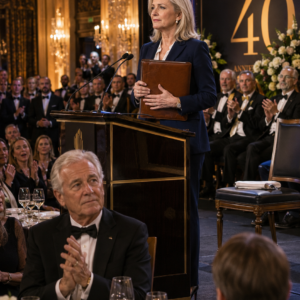
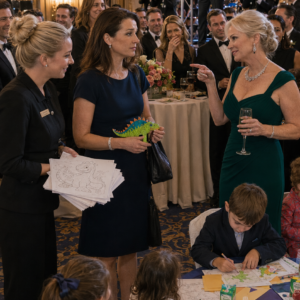
Season 5 of The Boys continues to build momentum with Episode 3, titled “Every One Of You Sons Of Btches,”* delivering a tense and layered chapter that expands character arcs while quietly setting the stage for something much bigger. Directed by Karen Gaviola and written by Ellie Monahan, the episode doesn’t rely heavily on constant shock value, but instead leans into atmosphere, emotional weight, and a few carefully placed turning points that carry significant consequences.
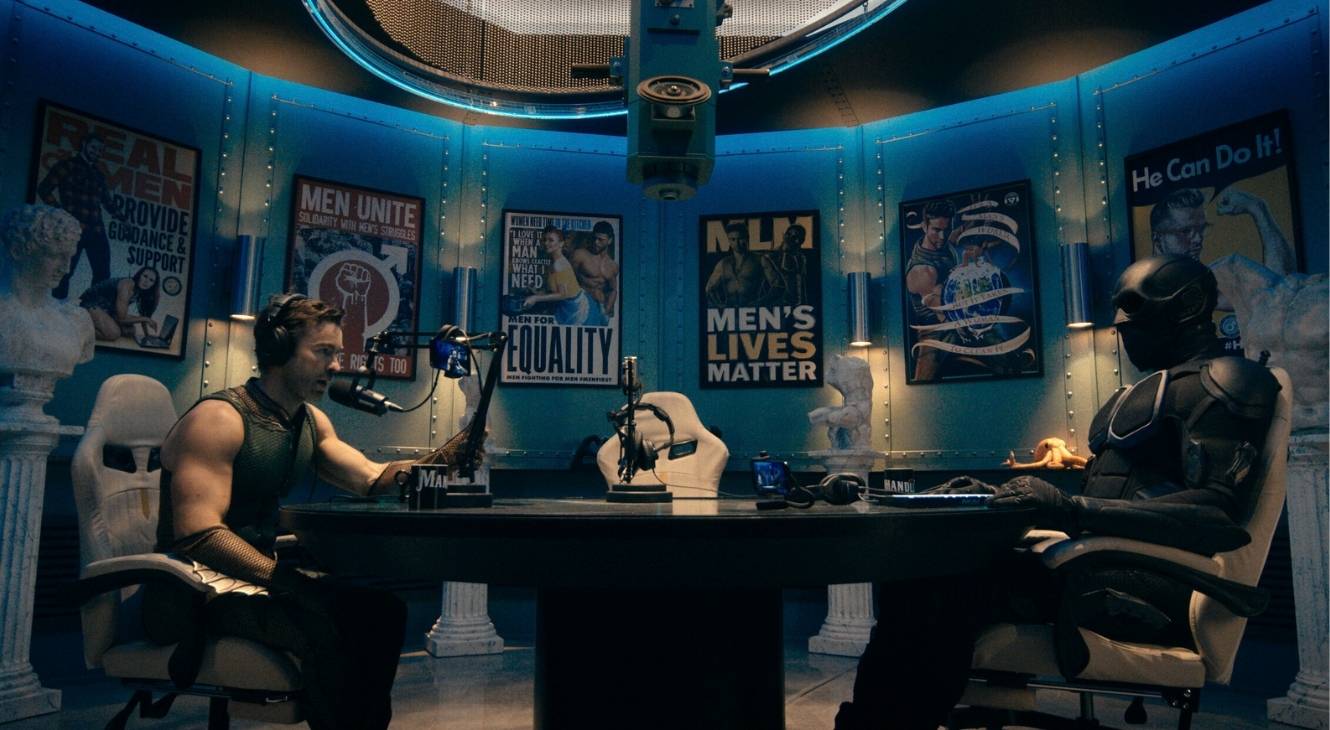
The episode opens in a cold, dimly lit stretch of Russia, where a group of soldiers moves cautiously through the night. Their mission is unclear at first, but the tension is immediate. As they close in on what they believe is their target, the situation spirals into chaos. One by one, the soldiers are violently taken down by an unseen force, until only one remains—terrified and pleading for his life. The reveal is both chilling and symbolic: Ryan steps out of the shadows, activating his laser vision with visible hesitation. He apologizes before killing the final witness, suggesting that while he is becoming more powerful, he is also wrestling with the moral weight of his actions.
This reintroduction signals a major shift for Ryan. No longer just a conflicted child caught between influences, he now appears to be walking a darker, more ambiguous path—one that blends vulnerability with frightening capability. The scene subtly hints that his future may not align cleanly with either heroism or villainy, but something far more complicated.
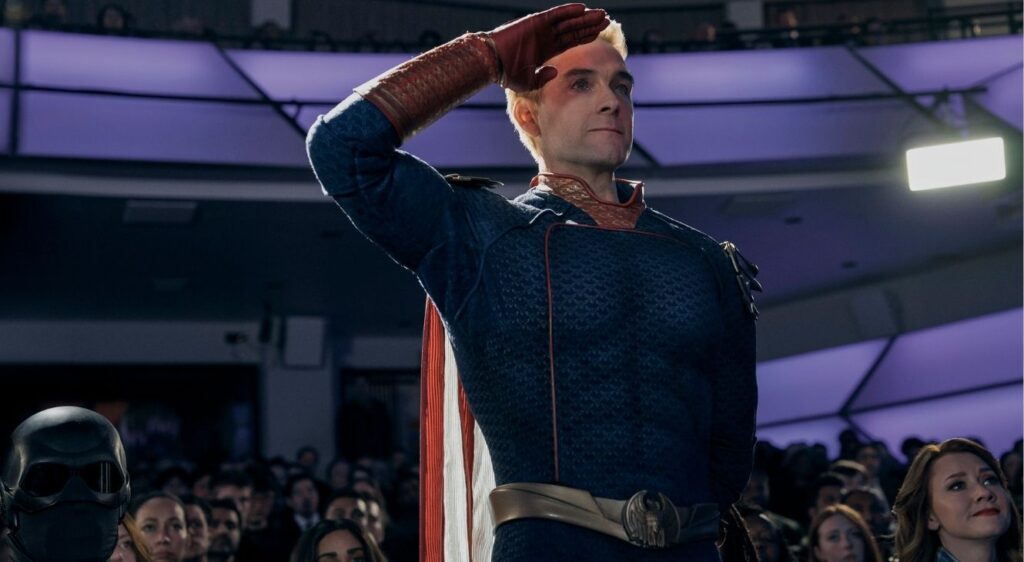
Back in the United States, another shocking development unfolds as Soldier Boy—previously presumed out of the picture—re-emerges in the public eye. He is celebrated, awarded a medal, and formally introduced as a member of The Seven. Standing beside him is Homelander, who takes the opportunity to reveal that Soldier Boy is his father.
What follows is one of the episode’s most powerful exchanges. Instead of embracing the moment, Soldier Boy openly criticizes Homelander, expressing disgust at how he was used as an experimental subject in the development of the Supe virus. The confrontation strips away Homelander’s usual dominance, leaving him momentarily diminished. A particularly striking visual shows him isolated in a hallway afterward—small, silent, and clearly shaken.
Meanwhile, the central group—The Boys—uncovers a crucial piece of information: Soldier Boy survived the virus because of an earlier, more stable version known as V1, originally created by Frederick Vought. Realizing the implications, they fear that Homelander will attempt to obtain this formula to enhance his own power.
Their investigation leads them to reconnect with Stan Edgar and Zoe Neuman, who are operating in secrecy. Through their discussions, disturbing historical details emerge, including references to experiments conducted in concentration camps—another reminder of the morally corrupt foundation of Vought’s legacy.
Using coded data, Mother’s Milk identifies a potential location for the V1 formula: a facility known as Fort Harmony. This discovery sets the stage for a high-stakes race, as multiple factions may now be moving toward the same objective.
Within Edgar’s hidden base, another unexpected presence adds emotional complexity: Maverick, the son of Translucent. Still unaware of the true circumstances behind his father’s death, he believes Homelander is responsible. His presence deeply affects Hughie Campbell, who is already struggling with guilt. Maverick becomes a living reminder of past actions, forcing Hughie to confront consequences he can no longer ignore.
Hughie’s internal conflict is further intensified when Zoe confronts him about his indirect role in her mother’s death. Unlike previous seasons where his arc sometimes felt sidelined, this episode places him firmly at the emotional center, exploring themes of accountability and moral burden.
Elsewhere, Homelander experiences a surreal and unsettling moment. Alone in his room, he is visited by a vision of Madelyn Stillwell. Whether this is a hallucination or something deeper is left ambiguous, but her message is clear: he is destined for more than leadership—he is meant to become something godlike. She suggests that acquiring V1 could elevate him beyond human limitations entirely.
This scene is particularly significant, as it reveals Homelander’s evolving mindset. No longer satisfied with control or admiration, he is now being pushed—internally or externally—toward absolute power. The idea of becoming a “god” introduces a new level of danger, hinting at the scale of conflict that may lie ahead.
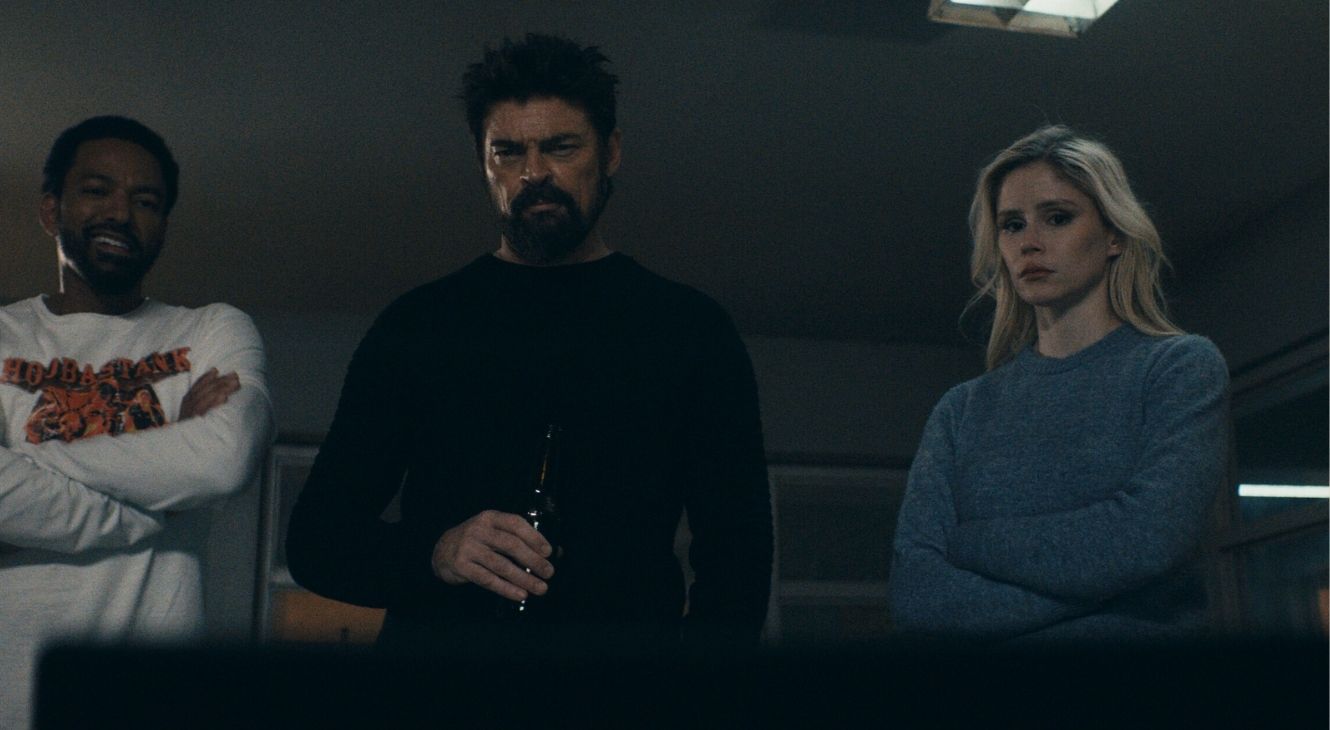
Outside the bunker, Zoe meets Ryan, proposing a plan to eliminate Billy Butcher. However, Ryan hesitates, showing that his loyalties remain uncertain. Shortly after, Butcher himself appears and engages Ryan in a quiet but intense conversation at a local pub.
In this exchange, Butcher presents a drastic plan: they must use the virus to kill Homelander, even if it means sacrificing themselves in the process. For Ryan, this represents an impossible choice—one that forces him to weigh revenge, justice, and self-destruction. His reluctant agreement suggests that he is being pulled deeper into a world where no option is truly right.
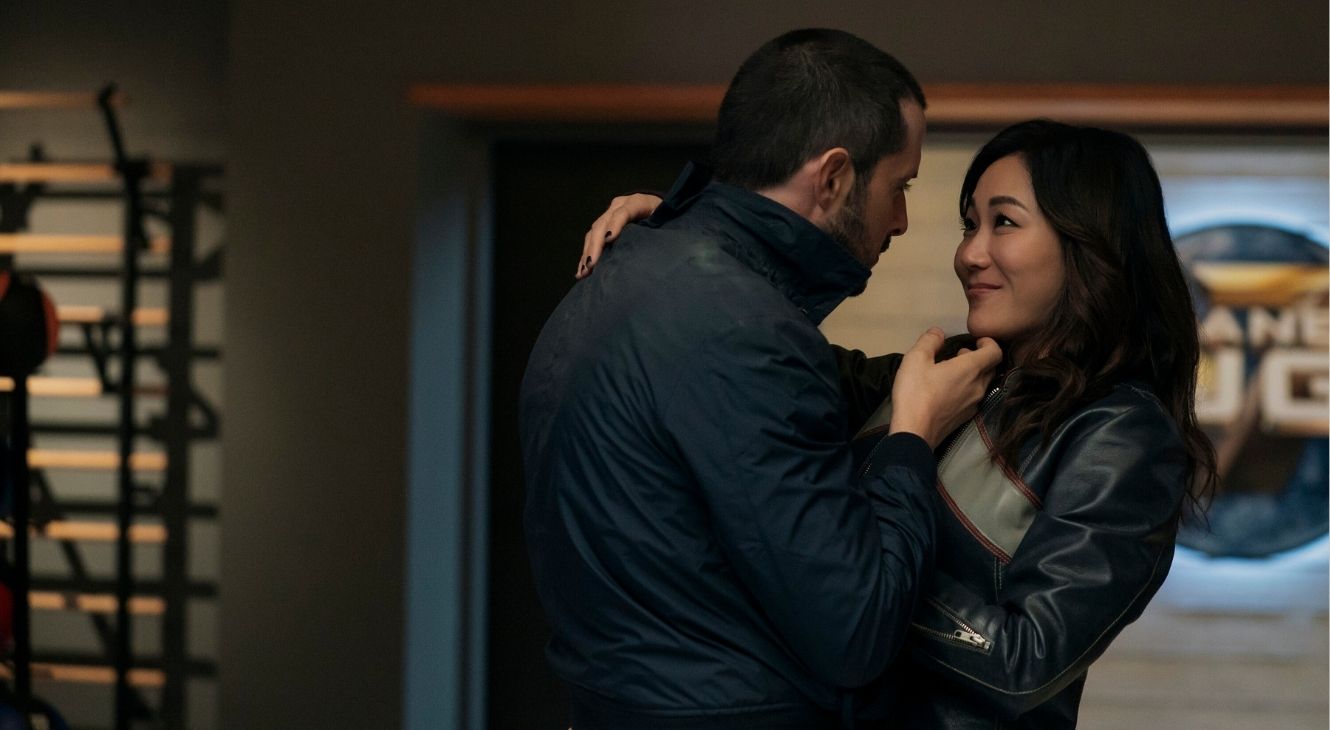
At the same time, Frenchie and Kimiko attempt to secure the remaining virus supply, only to discover that Zoe has already intervened. She reveals the truth about past events to Sameer, leading him to destroy the virus entirely.
This moment represents a major setback for The Boys, removing one of their most powerful weapons. But it also triggers a quieter, more personal shift: Kimiko convinces Frenchie that they should step away from the cycle of violence. After everything they’ve endured, she argues, survival and peace may be more important than revenge.
This decision introduces a fracture within the group’s philosophy. While some members are moving toward escalation and sacrifice, others are beginning to question whether the fight itself is worth continuing. It’s a subtle but meaningful divergence that could reshape alliances in the episodes ahead.
As Episode 3 concludes, the narrative threads begin to converge. Homelander is inching closer to a dangerous transformation, Ryan is caught between influence and identity, and The Boys are facing both external threats and internal divisions.
Rather than relying solely on explosive twists, this episode builds tension through character evolution and moral complexity. It reinforces the idea that the real conflict in The Boys is not just about power—but about the choices individuals make when faced with it, and the consequences that follow.