**Martin’s post-concert livestream comment has become the flashpoint in an already heated conversation about CORTIS’s first major live show.** What the member framed as a quiet expression of disappointment landed, for many listeners, as an accusation directed at the very people who had paid to attend. The remark—that the group felt “a bit sad” when they gave everything on stage yet did not see corresponding support or chanting from the audience—spread rapidly across Korean online communities and intensified existing frustration over the concert itself.
The context matters. CORTIS’s debut concert had already drawn pointed criticism for its length (approximately one hour and forty minutes), a setlist that leaned heavily on repetition, limited production changes, and an overall sense that the evening did not fully match the ticket price. Some fans offered measured defenses, noting the group’s still-short discography and the practical constraints that face any rookie act mounting its first large-scale show. Others were less forgiving, arguing that even early-career performances carry a basic responsibility to deliver value. The livestream arrived while those complaints were still circulating. Instead of addressing the structural concerns about the show, the conversation shifted to the audience’s visible energy.
Martin’s wording was not aggressive. He spoke of the emotional experience of performing without receiving the reciprocal feedback performers often rely on—chants, coordinated cheers, visible engagement. In many live music cultures that feedback loop is real; artists feed off the crowd and the crowd responds to the performance. Yet the timing and framing turned the statement into something larger. To a significant portion of netizens, it sounded like the group was placing the burden of enjoyment onto the fans rather than examining whether the performance itself had earned that energy. The reaction was swift and largely unsympathetic.
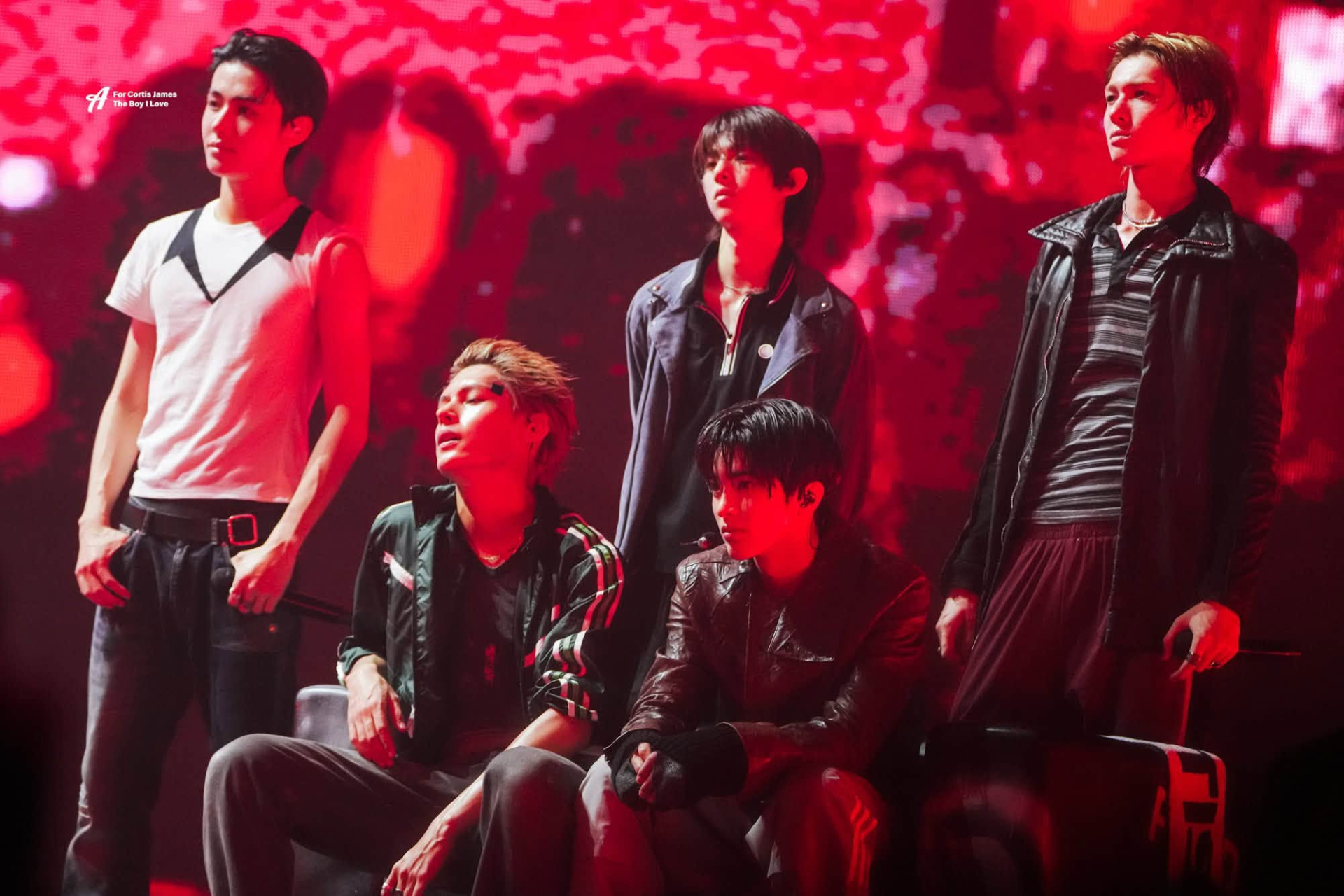
Comments across platforms repeatedly returned to the same themes. Performers are paid to entertain. Ticket buyers spend money and time with the expectation of a show worth attending. Suggesting that the audience failed to make the artists feel appreciated inverted the relationship. Several posts compared the situation to a restaurant serving an underwhelming meal and then expressing sadness that diners did not appear happy. Others argued that a rookie group still establishing its reputation should project hunger and humility rather than disappointment in the crowd. The phrase “they got full of themselves way too young” circulated widely. Some critics went further, saying the livestream would have been better spent acknowledging logistical issues or simply thanking those who showed up.
The intensity of the backlash also reflects broader industry dynamics. K-pop concerts have grown more expensive, and audiences have become more vocal about production values, setlist construction, and overall pacing. First concerts, in particular, function as public tests. When the product falls short of expectations and is followed by commentary that appears to critique the fans, the response is rarely gentle. For established acts with long track records of strong live performances, similar remarks might be absorbed as momentary candor. For a new group, they risk solidifying a narrative of entitlement before the group has built a deep reservoir of goodwill.
At the same time, the performers’ perspective is not imaginary. Live stages are physically and emotionally demanding. Artists rehearse for months, manage nerves, and pour energy into every song. When the reciprocal wave of support feels muted, the letdown can be genuine. The difficulty lies in the public expression of that feeling. In an age of immediate livestreams and rapid social-media amplification, private disappointment becomes public content open to the least charitable interpretation. What might have remained an internal conversation among members became a statement that many fans experienced as blame.
The larger conversation now extends beyond one sentence. It touches on the unspoken contract between idols and audiences: the expectation of mutual investment, the limits of that investment, and the point at which honest emotion crosses into perceived ingratitude. Some observers note that coordinated fan chants and high-energy responses are cultural markers of successful K-pop shows; their absence can feel like a judgment on the performance. Others insist that the responsibility for creating a compelling experience rests first with the artists and their team. Both positions contain truth. The friction arises when they collide in real time under the microscope of online scrutiny.
For CORTIS the episode arrives early. The group is still in the phase where public perception is highly malleable. Early controversies can either fade into footnotes once stronger performances arrive or harden into lasting characterizations. The coming weeks will likely show whether the members and their agency address the concert feedback more directly and whether subsequent appearances recalibrate the tone of their communication with fans. A simple acknowledgment that the first show had room to grow, paired with visible effort to expand the live offering, could shift the narrative. Continued silence or further unfiltered remarks risk deepening the current impression.

The incident also illustrates a recurring tension in idol culture. Artists want to feel the support their work is meant to generate. Fans want the performance they paid for and, increasingly, feel entitled to critique it without being positioned as the problem. When a young group expresses sadness at the crowd’s response so soon after a polarizing concert, the result is rarely a nuanced discussion of mutual energy. It becomes a referendum on attitude, professionalism, and whether the artists understand the basic exchange at the heart of live entertainment.
Martin’s comment did not invent the dissatisfaction with the concert. It focused that dissatisfaction onto a new target—the fans themselves—and in doing so turned a critique of production into a broader argument about responsibility. In the high-pressure environment of K-pop, that shift proved combustible. The air remains tense because the underlying issues remain unresolved: the quality of the show, the expectations placed on rookies, and the delicate balance between an artist’s emotional reality and an audience’s sense of being valued rather than blamed. How CORTIS navigates the next chapter will determine whether this moment becomes a learning curve or a defining early stain.