BLACKPINK’s Lisa faces online ridicule over new single teaser as critics call lyrics ‘corny’
A teaser for BLACKPINK member Lisa’s upcoming single has been met with a wave of mockery and harsh criticism online, even as many of her fans expressed enthusiasm for the track. The Thai rapper and dancer recently confirmed plans to release a new EP, with the lead single “SaWaDika” scheduled to arrive next month. When a short snippet of the song began circulating on social media, the reaction split sharply between supportive listeners and netizens who found the material underwhelming or self-indulgent.
The clip, shared widely across platforms, offered the public its first audio taste of Lisa’s latest solo work. While a significant portion of her fan base welcomed the teaser and praised its energy, another contingent of users responded with ridicule. Comments labelling the lyrics “corny” appeared repeatedly, alongside accusations that the idol was leaning too heavily on a familiar personal brand. Several critical posts gathered thousands of likes and generated lengthy threads of agreement, amplifying the negative sentiment far beyond the original complaints.
Focus on the ‘LALISA’ persona
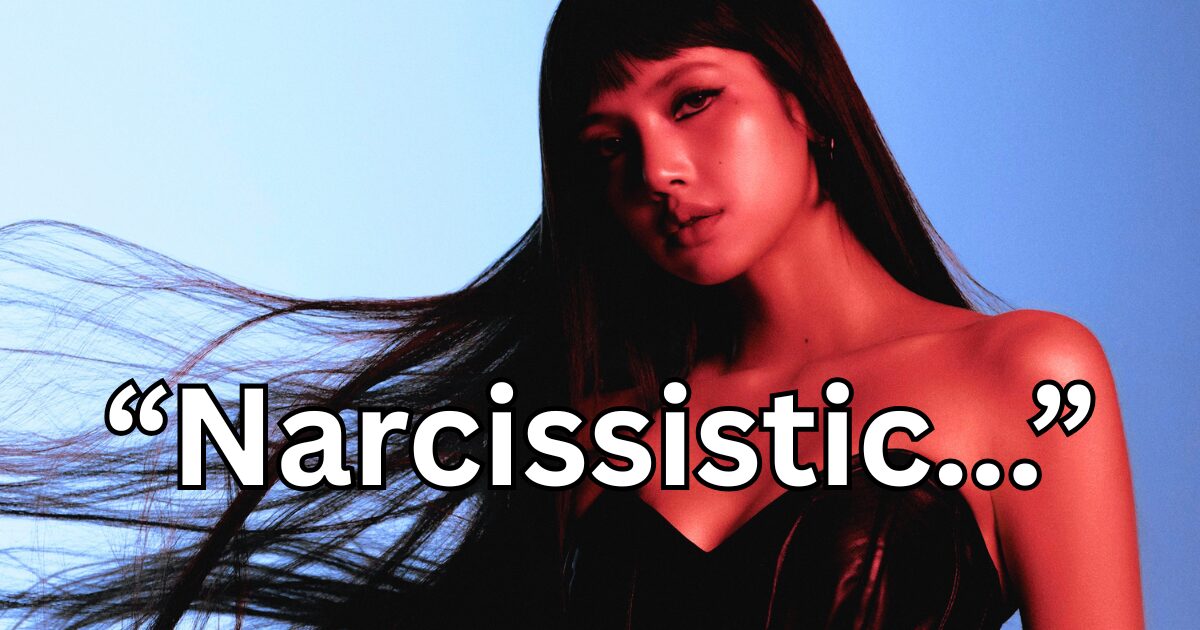
A recurring theme in the backlash centred on what critics described as an overuse of the “LALISA” persona. Lisa has long incorporated her own name and larger-than-life image into her solo output, most notably with earlier tracks that played openly on her identity. For some listeners, the new snippet suggested a continuation of that approach rather than a departure. Detractors argued that the repeated self-reference came across as narcissistic, claiming the idol appeared more interested in reinforcing her personal mythology than in exploring fresh lyrical territory.
These criticisms were not universal. Supporters countered that signature self-referential hooks are common in pop and hip-hop, and that Lisa’s willingness to centre her own name has become part of her commercial identity. Nevertheless, the volume of posts framing the teaser as self-absorbed indicated that a segment of the audience had grown weary of the formula. The debate quickly moved beyond the music itself and into questions of artistic risk, authenticity and the pressures placed on soloists who emerge from globally successful groups.
Announcement and expectations
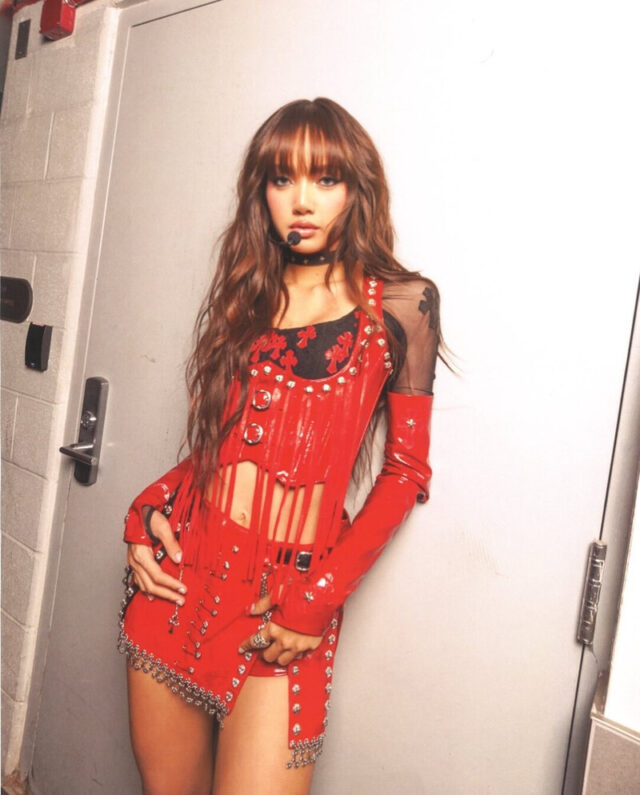
Lisa’s confirmation of a new EP had been anticipated by fans eager for fresh solo material. As one of the most visible members of BLACKPINK, her releases routinely attract attention that extends well outside traditional K-pop circles. The decision to title the lead single “SaWaDika” generated immediate curiosity, and the subsequent arrival of an audio snippet was expected to build momentum in the weeks leading up to the official drop. Instead, the early preview became a lightning rod for mixed reviews.
Xem bài viết này trên Instagram
In the competitive environment of social media, first impressions can harden quickly. Positive comments from dedicated fans were present and often emphatic, yet the critical posts proved especially shareable. Tweets dismissing the lyrics as corny or accusing Lisa of narcissism were amplified by users who already held ambivalent or negative views of her solo work. The result was a skewed visibility in which the ridicule appeared more widespread than a simple tally of supportive versus critical reactions might have suggested.
The dynamics of online trolling
The episode illustrates how rapidly a promotional snippet can be transformed into contested content. Artists and their teams release teasers to generate excitement and shape narrative; audiences, however, are under no obligation to respond on the intended terms. In Lisa’s case, the same clip that delighted many followers supplied ammunition to those inclined to mock. The language used in some of the critical posts was blunt and personal, moving past musical critique into character judgements that labelled the performer as self-obsessed.
snippet of “sawadika” by lisa pic.twitter.com/9N4m9FLGjF
— blackpink (@blckpinkpic) August 26, 2026
Such rhetoric is now a familiar feature of K-pop discourse. High-profile idols operate in an environment where every release is dissected within minutes, and where coordinated or simply enthusiastic negativity can dominate trending topics. The fact that several of the most critical tweets accumulated thousands of likes demonstrates the existence of an audience receptive to that framing. At the same time, the presence of strong pushback from fans willing to defend the teaser shows that the conversation remains polarised rather than one-sided.
50 years later the girls will make their 11873rd solo comeback meanwhile lisa’s vision : i’m lalalisa i have money i’m the best i’m rich 😭 https://t.co/fnRTmxZY3B
— m. (@hiladiesmuwh) August 26, 2026
50 years later the girls will make their 11873rd solo comeback meanwhile lisa’s vision : i’m lalalisa i have money i’m the best i’m rich 😭 https://t.co/fnRTmxZY3B
— m. (@hiladiesmuwh) August 26, 2026
Persona, branding and artistic choices
Lisa’s reliance on the “LALISA” motif has been both a commercial strength and a point of vulnerability. On one hand, the clear association between artist and name creates instant recognition and a sense of personal branding that marketers value. On the other, it risks leaving the performer open to charges of limited range when new material appears to revisit the same thematic ground. The current backlash suggests that, for at least some listeners, the novelty of that self-referential style has diminished.

Whether the full song will alter these perceptions remains to be heard. Teasers are, by definition, incomplete; production choices, verse-chorus structure and overall arrangement can shift the impression created by a short excerpt. Lisa’s team will be aware that the early reaction has been noisier and more divided than hoped, and the official release next month will provide the first proper opportunity for the track to be judged in its entirety.
Broader context of solo expectations
Members of globally successful groups often face heightened scrutiny when they step out under their own names. Audiences bring expectations formed by years of group discography, variety appearances and carefully managed public images. Any solo release is therefore measured not only against contemporary competitors but against the artist’s own past output and the mythos that surrounds them. In Lisa’s case, the combination of fashion-industry visibility, dance credibility and previous solo hits has created a high bar. A teaser that some listeners found lyrically thin was always likely to attract sharp commentary.

The ridicule directed at the “SaWaDika” snippet does not erase the substantial fan support that accompanied its arrival. It does, however, underline the difficulty of controlling reception in an era of instant, unfiltered feedback. Critical posts that frame the idol as narcissistic or creatively stagnant travel easily; nuanced defences require more effort and often reach fewer people. The imbalance can leave the impression of a broader consensus than actually exists.
What comes next
With the single still weeks away from release, the present controversy remains provisional. The full track, accompanying visuals and promotional campaign will all influence how “SaWaDika” is ultimately assessed. For now, the conversation has been shaped by a short audio excerpt and the strong reactions it provoked. Lisa’s decision to continue working under a persona that foregrounds her own name has been both celebrated and criticised in the past; the latest teaser has simply provided a new occasion for those arguments to resurface.
As the EP rollout continues, the singer and her team will have opportunities to reframe the narrative. Whether the finished song persuades sceptics or further entrenches their views will become clear only after the official release. Until then, the teaser stands as a reminder that in contemporary pop, even a few seconds of new music can be enough to ignite detailed and often unforgiving public debate.