BLACKPINK’s Jennie faces plagiarism storm after Fallen Angel teaser sparks Ariana Grande comparisons
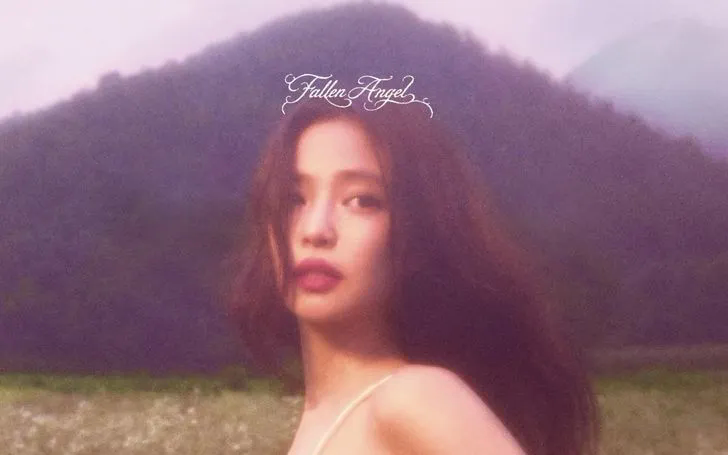
BLACKPINK star Jennie has found herself at the centre of a fresh online controversy after the release of promotional artwork for her upcoming solo project triggered widespread accusations of plagiarism from netizens. The K-pop idol shared a teaser poster for her digital EP Fallen Angel on August 26, along with details about pre-orders, only for social media users to quickly claim the image’s composition, colour palette and overall aesthetic bore striking similarities to existing work by Ariana Grande and the band Cherie Amour.
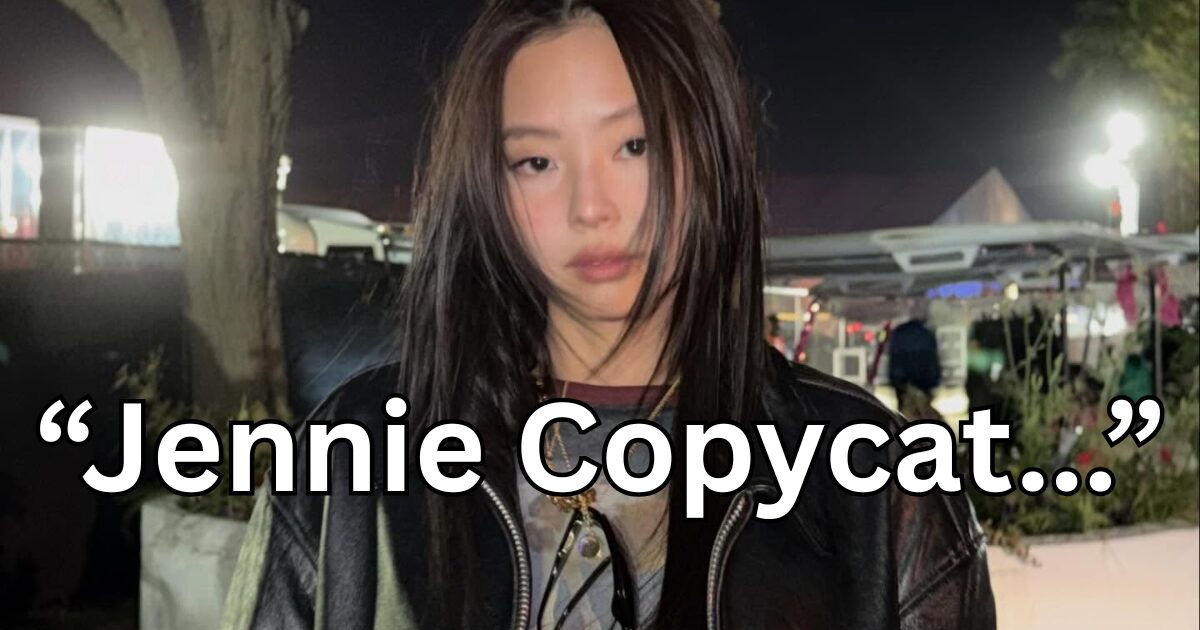
The announcement of Fallen Angel itself had already generated mixed reactions earlier, but the specific teaser artwork intensified the criticism. Many online commenters argued that the visual style appeared too close to Ariana Grande’s promotional imagery for her track Supernatural, as well as the Spiritual Ascension artwork associated with Cherie Amour. Side-by-side comparisons began circulating rapidly across platforms, with users highlighting parallels in framing, lighting, ethereal atmosphere and colour tones.
Teaser drop and immediate reaction
Jennie, who operates under her own label Odd Atelier, had previously confirmed that Fallen Angel would arrive as a three-track digital EP on August 28. The project includes the title track Fallen Angel, the song Heaven, and the earlier single Less Than a Lover. When the additional teaser poster and pre-order information appeared on August 26, it was intended to build further anticipation. Instead, it became the focal point of heated debate.
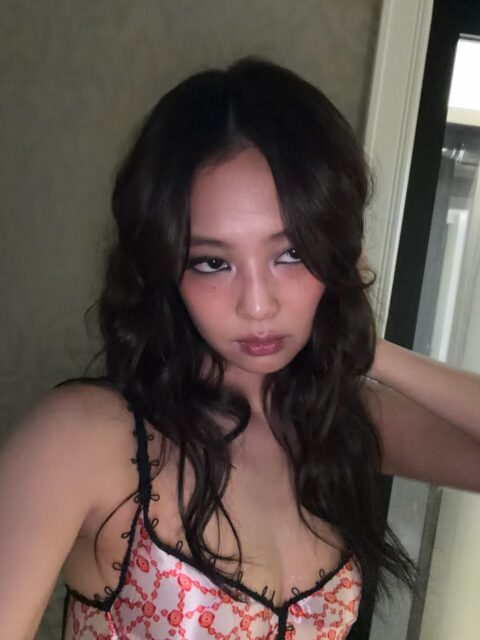
Netizens wasted little time posting critical comments. Some accused the singer of lacking originality, while others suggested the similarities were too pronounced to dismiss as coincidence. Remarks ranged from blunt claims that “nothing about this girl is original” to more specific observations about matching colour tones and compositional choices. A number of users also referenced past instances in which Jennie or other K-pop artists had faced similar accusations, framing the current episode as part of a broader pattern of perceived creative borrowing.
Xem bài viết này trên Instagram
Defenders of the BLACKPINK member pushed back, arguing that visual tropes involving ethereal figures, soft lighting and floral or heavenly motifs are common across pop music marketing. They maintained that shared aesthetic trends do not automatically equate to plagiarism and that Jennie’s team had simply drawn from a well-established visual language. Still, the volume of critical posts dominated early conversation around the teaser.
Xem bài viết này trên Instagram
Visual similarities under scrutiny
The core of the dispute centres on the poster’s overall look. Critics pointed to the way the figure is framed, the handling of light and shadow, and a palette that some described as nearly identical to elements in Ariana Grande’s Supernatural visuals. Additional comparisons were drawn to Cherie Amour’s Spiritual Ascension artwork, with users claiming the floral concepts and atmospheric quality felt particularly close. One circulating set of images placed Jennie’s teaser next to the referenced works, inviting viewers to judge the resemblance for themselves.
nothing about this girl is original lmafo, always stealing someone else’s work. shameless af! https://t.co/hG7NIkvC2R pic.twitter.com/zSAV1am3OH
— 𝐋 (@Leospills_) August 26, 2026
Neither Jennie nor her agency Odd Atelier has issued a formal response to the claims. Ariana Grande has also remained silent on the matter. As a result, the discussion has stayed firmly in the realm of social-media speculation rather than any confirmed finding of wrongdoing. Industry observers note that visual plagiarism accusations in pop music are relatively common, especially when artists work within overlapping aesthetic territories such as ethereal or celestial themes. Determining whether similarities cross the line into actual copying often proves subjective and difficult to resolve without direct statements from the parties involved.
Jennie’s solo path and the timing of the EP
The controversy arrives at a busy moment in Jennie’s career. After establishing herself as a global force with BLACKPINK, she has steadily expanded her solo output. Her previous full-length album Ruby delivered strong commercial results, including top-ten placements on major international charts. Less Than a Lover, released earlier in the summer, already introduced listeners to a softer, more introspective side of her artistry and performed solidly on streaming platforms.
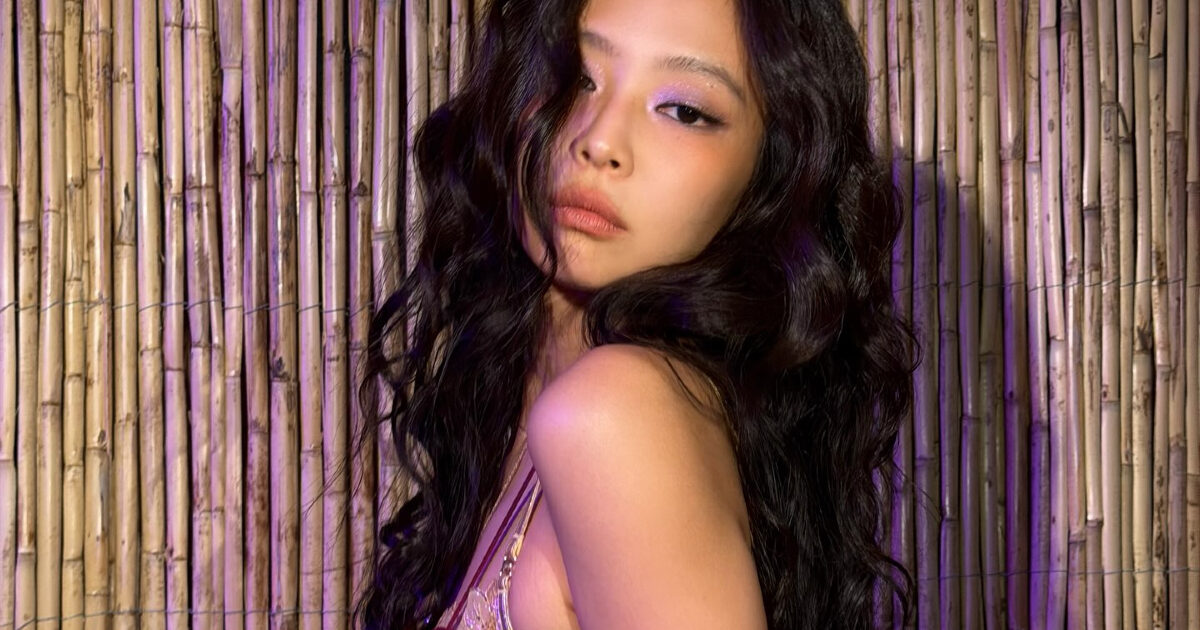
Fallen Angel has been positioned by Odd Atelier as a particularly personal project. Promotional language surrounding the EP has emphasised self-expression and an intimate creative approach. Early music-video teasers for the title track hinted at a darker, fairy-tale-inflected narrative exploring themes of human greed and the possibility of transcendence. The shift toward mystical and cinematic imagery marks a departure from some of Jennie’s previous visual concepts, which may partly explain why the new poster attracted such close examination.
For many fans the timing feels unfortunate. With the EP scheduled to drop on August 28, the plagiarism discussion has overshadowed what was meant to be a straightforward promotional phase. Pre-order campaigns and further content drops now compete for attention against ongoing online arguments about originality. Some supporters have urged observers to wait for the full music video and the songs themselves before rendering judgement, arguing that a single static image should not define the project.
Broader context of online scrutiny in K-pop
Plagiarism claims have become a recurring feature of K-pop discourse. High-profile artists frequently face side-by-side comparisons whenever a new visual or melody appears, and the speed of social media amplifies every accusation. In Jennie’s case, previous controversies—some involving music and others involving visual concepts—have left a portion of the online audience primed to scrutinise her work. At the same time, her commercial success and dedicated fanbase mean that any negative narrative is met with equally vigorous defence.
The current episode illustrates how quickly a promotional image can shift the conversation. What began as a routine teaser intended to drive pre-orders instead generated days of debate about creative ownership, inspiration versus imitation, and the pressures placed on solo artists operating under intense public scrutiny. Whether the similarities are ultimately viewed as coincidental, inspired by shared trends, or something more problematic remains unresolved in the absence of official comment.
As the August 28 release date approaches, attention will likely pivot toward the music itself. Listeners will soon be able to judge Fallen Angel, Heaven and Less Than a Lover on their own terms. In the meantime, the teaser poster continues to circulate alongside the comparisons that first sparked the controversy, ensuring that the conversation about originality stays firmly attached to Jennie’s latest solo chapter.