BTS’s Jimin Inspires ARMY to Raise 130 Million Won for Child Cancer Patients After Tender Concert Moment
A brief, tender gesture by BTS member Jimin toward a young cancer patient during a concert has inspired the group’s global fanbase to raise more than 130 million won for children battling the disease. The moment, captured on video and shared widely online, showed Jimin leaning in to place a light kiss on the cheek of a girl named Olivia as he greeted young patients seated in the VIP area. Within days, that spontaneous act of kindness had translated into a substantial fundraising effort coordinated largely by ARMY fans around the world.
The encounter took place during BTS’s ‘Arirang’ world tour stop at AT&T Stadium in Arlington, Texas. Five children with cancer were invited to the show through the American non-profit Heroes for Children, working in partnership with the health insurer UnitedHealthcare. As Jimin moved along the front of the stage area acknowledging the young guests, he paused with Olivia, offered the gentle kiss, and prompted her delighted reaction. “He kissed me!” she exclaimed, smiling broadly. Fan footage of the exchange spread rapidly across social media, surpassing five million views in under 24 hours.

From Viral Clip to Concrete Help
The emotional response online quickly turned practical. Fans who watched the video began organising and contributing to fundraising efforts aimed at supporting paediatric cancer patients and their families. Heroes for Children, recognising the surge of interest, launched a dedicated campaign for children and families in the Texas area. An initial target of 75,000 US dollars was raised to 100,000 dollars as donations accelerated. By 25 August the total had passed 93,307 dollars—approximately 130 million won—turning a fleeting stage moment into tangible financial assistance.
Jennie Lawson, co-founder and executive director of Heroes for Children, expressed gratitude for the outpouring of support. “We have been deeply moved by the attention and warm love that the global ARMY community has shown Olivia over the past week,” she said. “Jimin gave children who are going through a difficult time a special moment filled with joy, love and happiness. This will become an unforgettable memory for the child and her family.”

A Familiar Pattern of Fan Mobilisation
The episode fits a broader pattern in which BTS’s relationship with its fanbase extends beyond music consumption into organised social action. ARMY has repeatedly demonstrated the ability to convert emotional connection into coordinated charitable activity, whether responding to natural disasters, supporting mental-health causes or, in this case, amplifying care for seriously ill children. What distinguished the Texas moment was its intimacy: a single, unscripted interaction between performer and child that felt personal rather than performative, and that fans chose to honour through donations rather than merely through praise.

For children living with cancer, the psychological value of feeling seen can be as significant as material support. Hospital routines, treatment side-effects and isolation from ordinary childhood experiences often dominate daily life. A visit to a major concert, a greeting from a favourite artist, and the knowledge that thousands of strangers responded with generosity can interrupt that isolation, even briefly. Lawson’s comments underscored precisely this point—that the memory itself carries lasting weight for the family.
Details of the Evening
The five young patients attended with organisational support that covered logistics and medical considerations, allowing them to experience the concert as guests rather than as patients on display. Jimin’s decision to leave the main performance focus long enough to acknowledge them individually reflected a level of attentiveness that fans have come to associate with the group’s members. He did not make a speech or draw extended attention to the act; he simply noticed the children, approached, and offered a small gesture of warmth. The camera phones of nearby fans did the rest.
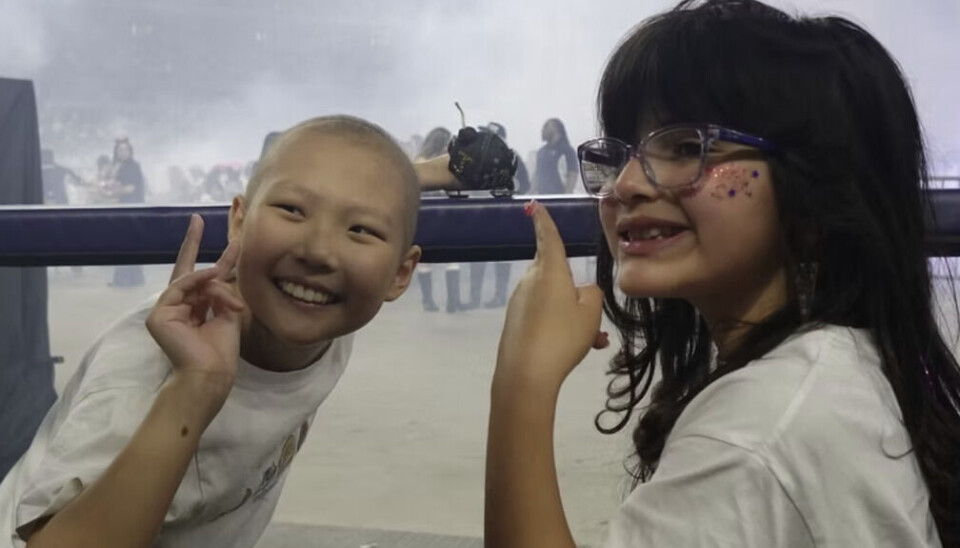
Once the clip circulated, fundraising appeals spread across fan networks in multiple countries and time zones. The speed with which the total climbed past the original target illustrated both the size of the organised fandom and the clarity of the cause. Cancer charities frequently note that mid-sized, emotionally driven campaigns can be among the most effective, because donors feel a direct link between their contribution and a specific story. In this instance the story was simple: a singer noticed a child, the child smiled, and the audience decided to help.
Wider Meaning
Observers of fan culture have pointed to cases such as this as evidence that the bond between artist and audience can function as a form of distributed social solidarity. A single action does not solve the structural challenges of paediatric oncology, yet it can mobilise resources and attention that would otherwise remain diffuse. The 130 million won raised will support families facing the practical burdens of treatment—travel, accommodation, lost income and the countless incidental costs that accompany serious illness.

Jimin has not issued a lengthy public statement about the donations, consistent with a preference for letting the fans’ initiative stand on its own. The focus has remained on Olivia, the other children present that night, and the work of Heroes for Children. In an industry often criticised for manufactured sentiment, the sequence of events—from stage to viral video to verified fundraising total—has been received as an example of genuine connection producing measurable results.
Continuing Impact
As BTS’s tour continues, the Arlington moment is likely to travel with the fandom as a reference point for the kind of relationship ARMY seeks to maintain with the artists and with one another. For Olivia and her family, the evening delivered a memory of being singled out for kindness. For the wider community of paediatric cancer patients who will benefit from the funds, it delivered something more concrete. And for observers of popular culture, it offered a reminder that the distance between a stadium stage and a hospital ward can sometimes be narrowed by a gesture small enough to fit in a few seconds of video and powerful enough to move thousands to act.